


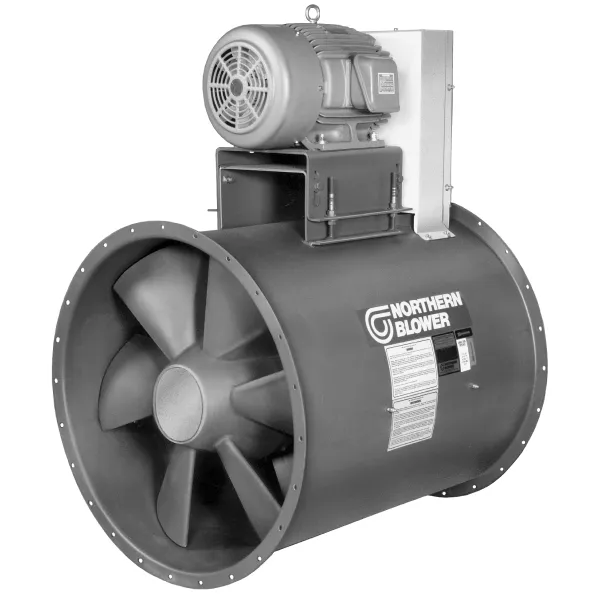
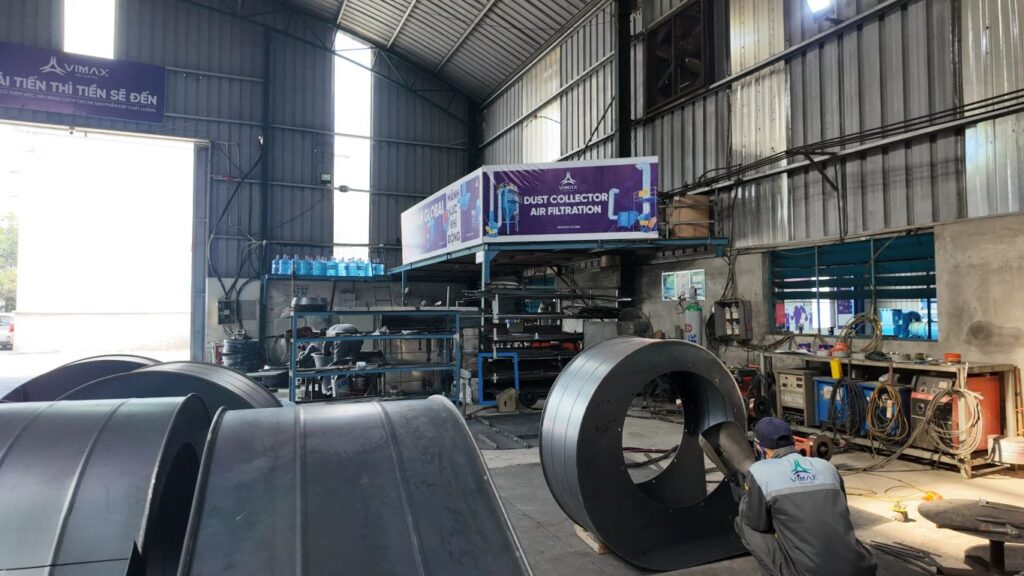
Picking the right industrial exhaust blower fan for your company can feel like a big job. There are so many things to think about, from how much air you need to move to what kind of stuff is in that air. This guide will walk you through the important steps to help you choose the best industrial exhaust blower fan that fits your specific needs and keeps your operations running smoothly. We’ll cover everything from figuring out what you need to keeping your fan working well for a long time.
Key Takeaways
- Figure out your exact needs, like how much air you need to move and what’s in the air.
- Look at how efficient the fan is and how much noise it makes.
- Know the different types of fans and what they are good for.
- Think about how the new fan will fit with your current setup.
- Plan for regular check-ups and maintenance to make your fan last.
Assessing Your Operational Needs for an Industrial Exhaust Blower Fan
Before you invest in an industrial exhaust blower fan, it’s important to really understand what you need it to do. A mismatch between your operational requirements and the fan’s capabilities can lead to inefficiencies, increased costs, and even safety hazards. VIMAX understands these challenges and is ready to help you find the right solution. Let’s walk through the key considerations.
Understanding Airflow Volume and Pressure Requirements
First, figure out how much air you need to move and how much resistance the fan will need to overcome. Accurately calculating airflow volume (measured in cubic feet per minute, or CFM) and static pressure (measured in inches of water gauge, or in. wg) is the foundation of selecting the right fan. Too little airflow, and you won’t effectively remove contaminants. Too much, and you’re wasting energy. Static pressure is how much "push" the fan needs to overcome resistance in the ductwork and other system components.
Here’s a simple guide:
- Calculate the Volume: Determine the size of the space and how many air changes per hour (ACH) are needed. Different applications require different ACH rates.
- Assess the System Resistance: Consider the length and diameter of ductwork, filters, and any other components that will restrict airflow. Use ductulator tools to estimate pressure loss.
- Factor in Safety Margins: Add a buffer (typically 10-20%) to both airflow and pressure to account for unforeseen variables or future expansion.
Identifying Contaminant Types and Concentrations
What kind of stuff are you trying to get rid of? Dust, fumes, gases, vapors? The type and concentration of contaminants will influence the fan’s material of construction and any necessary filtration systems. For example, if you’re dealing with corrosive chemicals, you’ll need a fan made from special alloys or coated with a protective material. High concentrations of flammable substances may require explosion-proof fans. Proper exhaust fan inspection is important.
Consider these points:
- Material Compatibility: Ensure the fan’s materials are resistant to the specific contaminants present in your environment.
- Filtration Needs: Determine if pre-filters, HEPA filters, or other specialized filtration systems are required to remove contaminants effectively.
- Safety Regulations: Comply with all applicable safety regulations and standards for handling and removing specific contaminants.
Evaluating Temperature and Humidity Conditions
Temperature and humidity can significantly impact fan performance and lifespan. High temperatures can reduce motor efficiency and accelerate wear and tear on components. High humidity can lead to corrosion and other issues. Make sure the fan you choose is rated for the specific temperature and humidity range of your operating environment.
Selecting a fan that can withstand the environmental conditions of your facility is critical for long-term reliability. Consider the maximum and minimum temperatures, humidity levels, and any potential for condensation. This will help you avoid premature failure and costly downtime.
We at VIMAX are ready to discuss your specific needs and help you select the ideal industrial exhaust blower fan for your business. Contact us today for a consultation.
Key Performance Metrics for Industrial Exhaust Blower Fan Selection
Selecting the right industrial exhaust blower fan involves more than just picking a model that looks good. It’s about understanding the key performance indicators that will impact your operations, energy consumption, and long-term costs. Let’s break down the critical metrics to consider.
Optimizing Fan Efficiency and Energy Consumption
Fan efficiency directly translates to energy savings. A more efficient fan moves the same amount of air while using less power. This not only reduces your electricity bills but also lowers your carbon footprint. When evaluating fans, pay close attention to the fan’s static efficiency and overall efficiency ratings. These ratings indicate how well the fan converts electrical energy into airflow. VIMAX fans are designed with efficiency in mind, helping you minimize energy waste and maximize performance.
- Static Efficiency: Measures the fan’s ability to convert energy into static pressure, which is crucial for overcoming system resistance.
- Overall Efficiency: Considers all energy losses, providing a more complete picture of the fan’s energy performance.
- Motor Efficiency: The motor driving the fan also plays a significant role. High-efficiency motors can further reduce energy consumption.
Analyzing Noise Levels and Vibration Control
Excessive noise and vibration can create an unpleasant and even hazardous work environment. It’s important to select a fan that operates within acceptable noise levels and minimizes vibration. Consider the fan’s sound power level (LwA) and sound pressure level (LpA) ratings. Also, look for features like vibration isolation mounts and dynamically balanced impellers, which can help reduce noise and vibration.
Noise and vibration aren’t just about comfort; they can also impact worker productivity and safety. Uncontrolled vibration can lead to premature wear and tear on equipment, increasing maintenance costs and downtime.
Here’s a simple guide to help you assess noise levels:
| Noise Level (dBA) | Potential Impact |
|---|---|
| Below 70 | Generally considered safe and comfortable. |
| 70-85 | May require hearing protection for prolonged exposure. |
| Above 85 | Hearing protection is mandatory. |
Considering Durability and Material Compatibility
Industrial environments can be tough on equipment. Your exhaust blower fan needs to be built to withstand the specific conditions of your application. This means considering the materials of construction and the fan’s overall design. For corrosive environments, look for fans made from stainless steel or other corrosion-resistant materials. For high-temperature applications, ensure the fan is designed to handle the heat. Durability translates to a longer lifespan and reduced maintenance costs. VIMAX offers a range of industrial exhaust fans built to last, even in the most demanding environments. Contact us today to discuss your specific needs and find the perfect fan for your business.
Types of Industrial Exhaust Blower Fans and Their Applications
Choosing the right industrial exhaust blower fan is a big deal. It’s not just about moving air; it’s about efficiency, safety, and keeping your operations running smoothly. VIMAX understands this, and we’re here to help you make the best choice.
Centrifugal Fans for High-Pressure Systems
Centrifugal fans are workhorses, plain and simple. They’re designed to handle high-pressure applications, making them ideal for systems where air needs to be pushed through long ducts or against significant resistance. Think about processes that involve dust collection, fume extraction, or any situation where you need a strong, consistent airflow. These fans use a rotating impeller to increase the air pressure and velocity, discharging it at a 90-degree angle. This design makes them super efficient for overcoming static pressure. For example, our centrifugal fans are built to last and perform reliably, even in demanding environments.
Here’s a quick guide to when centrifugal fans shine:
- High static pressure requirements
- Dust and particulate handling
- Fume and gas extraction
- HVAC systems
Axial Fans for High-Volume Air Movement
Axial fans are your go-to for moving large volumes of air with minimal resistance. They’re like the sprinters of the fan world – fast and efficient for applications where pressure isn’t the primary concern. These fans work by drawing air in and discharging it along the same axis, making them perfect for ventilation, cooling, and general air circulation. You’ll often find them in applications like cooling towers, wind tunnels, and large open spaces where you need to move a lot of air quickly. VIMAX offers a range of axial fans designed for various industrial needs, ensuring you get the right balance of airflow and energy efficiency.
Axial fans are great for moving a lot of air, but they don’t handle high static pressure well. If your system has a lot of ductwork or resistance, a centrifugal fan is probably a better choice.
Consider axial fans if:
- High airflow volume is needed
- Low static pressure is present
- Ventilation and cooling are primary goals
- Space is a constraint
Specialized Fans for Corrosive or Explosive Environments
Some industrial environments are just plain tough. Corrosive chemicals, explosive gases – these conditions demand specialized equipment. That’s where specialized fans come in. These fans are built with materials and designs that can withstand harsh conditions, ensuring safety and reliability. For example, fans used in chemical processing plants might be made from stainless steel or other corrosion-resistant alloys. Fans used in environments with explosive gases will have explosion-proof motors and construction to prevent sparks. VIMAX provides fire emergency smoke exhaust systems that meet stringent safety standards, giving you peace of mind.
Key considerations for specialized fans:
- Material compatibility with corrosive substances
- Explosion-proof construction for hazardous environments
- Compliance with industry safety standards
- Regular inspection and maintenance
Choosing the right fan is a critical decision. Contact us today to discuss your specific needs and find the perfect VIMAX solution for your business. We’re here to help you every step of the way.
Integrating Your Industrial Exhaust Blower Fan into Existing Systems
So, you’ve picked out your industrial exhaust blower fan. Great! But the job isn’t done yet. Getting that fan to work with your current setup is key for optimal performance and longevity. It’s like making sure all the instruments in an orchestra are tuned correctly – if one’s off, the whole thing sounds bad. Let’s walk through some important things to consider.
Ductwork Design and System Resistance
The ductwork is basically the highway for the air your fan is moving. If that highway is poorly designed, you’re going to have traffic jams (pressure drops) and inefficiencies. Think about it: sharp bends, undersized ducts, and long runs all add resistance. Proper ductwork design minimizes these issues, allowing your fan to operate at its peak efficiency. Here’s a quick checklist:
- Minimize bends: Use gradual curves instead of sharp angles.
- Size ducts correctly: Calculate the appropriate duct size based on airflow requirements.
- Seal all joints: Prevent air leakage, which reduces efficiency.
- Consider material: Choose duct material that’s compatible with the contaminants being exhausted. For example, if you’re dealing with corrosive fumes, you’ll need special coatings or materials.
System resistance is the total pressure the fan has to overcome to move air through the ductwork. It’s affected by duct length, diameter, bends, and any equipment (like filters or scrubbers) in the system. Accurately calculating system resistance is crucial for selecting the right fan and ensuring it operates efficiently.
Motor and Drive System Compatibility
The motor is the engine that powers your fan, and the drive system transmits that power. Making sure these components are compatible with your fan and your power supply is super important. An undersized motor will struggle, overheat, and fail prematurely. An incompatible drive system can cause vibrations and reduce efficiency. VIMAX offers a range of motors and drives designed for industrial applications, ensuring reliability and performance. Here’s what to keep in mind:
- Motor horsepower: Select a motor with sufficient horsepower to handle the fan’s load.
- Voltage and frequency: Ensure the motor matches your facility’s power supply.
- Drive type: Choose the appropriate drive system (e.g., belt drive, direct drive) based on your application.
- Variable Frequency Drives (VFDs): Consider using a VFD to control the fan speed and save energy. Industrial fans are often paired with VFDs.
Control Systems and Automation Integration
Modern industrial exhaust systems often incorporate sophisticated control systems and automation. These systems allow you to monitor and adjust fan performance in real-time, optimizing energy consumption and ensuring safe operation. Integrating your fan with your existing control system can be a game-changer. Here’s what to consider:
- Sensors: Use sensors to monitor airflow, pressure, temperature, and contaminant levels.
- Programmable Logic Controllers (PLCs): Integrate the fan with a PLC for automated control.
- Remote monitoring: Implement remote monitoring capabilities to track fan performance from anywhere.
- Alarms: Set up alarms to alert you to any issues, such as high temperatures or low airflow.
Proper integration is key to maximizing the performance and lifespan of your industrial exhaust blower fan. By carefully considering ductwork design, motor compatibility, and control system integration, you can ensure that your fan operates efficiently and reliably for years to come. Contact us today to discuss your specific needs and how VIMAX can help you find the perfect solution.
Maintenance and Longevity of Your Industrial Exhaust Blower Fan
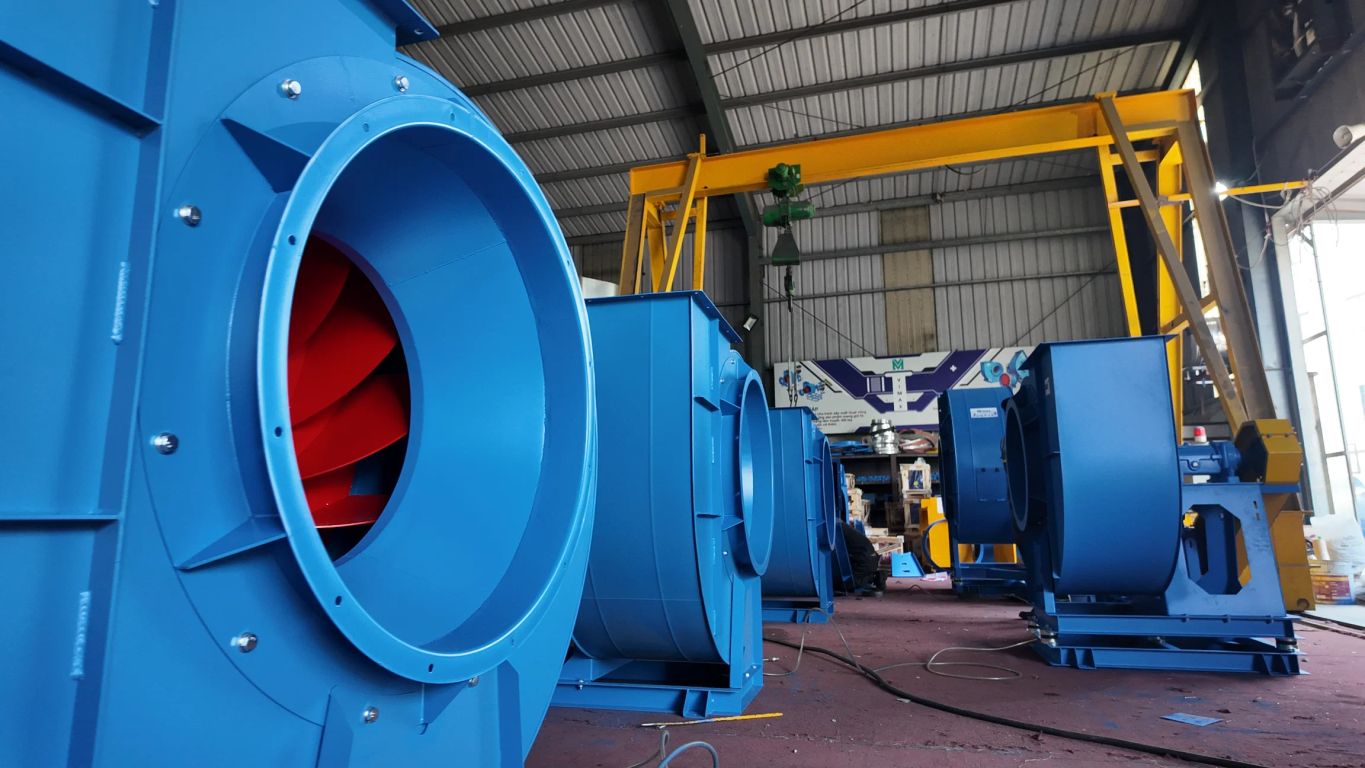
Maintaining your industrial exhaust blower fan is key to its long-term performance and reliability. A well-maintained fan not only operates efficiently but also minimizes downtime and reduces the total cost of ownership. VIMAX understands the importance of reliable equipment, and we’re here to help you establish best practices for maintenance and longevity.
Establishing a Proactive Maintenance Schedule
A proactive maintenance schedule is the cornerstone of a long-lasting industrial exhaust blower fan. This involves regular inspections, cleaning, and component checks. Here’s a simple guide to get you started:
- Visual Inspections: Conduct routine visual checks for any signs of wear, damage, or corrosion. Look for loose bolts, cracked welds, or unusual vibrations.
- Lubrication: Follow the manufacturer’s recommendations for lubricating bearings and other moving parts. Proper lubrication reduces friction and prevents premature wear. balanced operation is key.
- Belt Tensioning: For belt-driven fans, regularly check and adjust belt tension. Loose belts can slip, reducing fan efficiency and causing premature wear.
- Filter Maintenance: If your system includes filters, clean or replace them regularly to maintain optimal airflow and prevent motor overload.
- Motor Checks: Inspect the motor for overheating, unusual noises, or signs of electrical problems. Ensure proper ventilation to prevent motor burnout.
Implementing a consistent maintenance schedule can significantly extend the lifespan of your industrial exhaust blower fan and prevent costly breakdowns. It’s an investment in the reliability of your operations.
Sourcing Reliable Replacement Parts
When replacement parts are needed, it’s important to source them from reputable suppliers. Using high-quality parts ensures compatibility and extends the life of your fan. Consider these factors when sourcing replacement parts:
- OEM vs. Aftermarket: Original Equipment Manufacturer (OEM) parts are designed specifically for your fan model and offer the best fit and performance. Aftermarket parts may be more affordable but can vary in quality.
- Material Quality: Choose parts made from durable materials that can withstand the operating conditions of your system. For example, corrosion-resistant materials are essential in harsh environments.
- Supplier Reputation: Work with suppliers who have a proven track record of providing reliable parts and excellent customer service. VIMAX can assist with sourcing high-quality replacement parts for your industrial exhaust blower fan.
Ensuring Proper Installation and Commissioning
Proper installation and commissioning are critical for the long-term performance of your industrial exhaust blower fan. Even the best fan will underperform if it’s not installed correctly. Here are some key considerations:
- Professional Installation: Hire qualified technicians to install your fan according to the manufacturer’s instructions. This ensures proper alignment, secure mounting, and correct electrical connections.
- System Balancing: After installation, balance the system to ensure optimal airflow and minimize vibration. This may involve adjusting ductwork, dampers, or fan speed.
- Commissioning Tests: Conduct thorough commissioning tests to verify that the fan is operating within its specified parameters. Check airflow, pressure, motor current, and vibration levels.
Contact us today to discuss your industrial exhaust blower fan needs and how VIMAX can help you optimize your system for long-term performance and reliability. We’re ready to support your business with export-ready solutions and expert guidance.
Customization and Engineering for Unique Industrial Exhaust Blower Fan Requirements
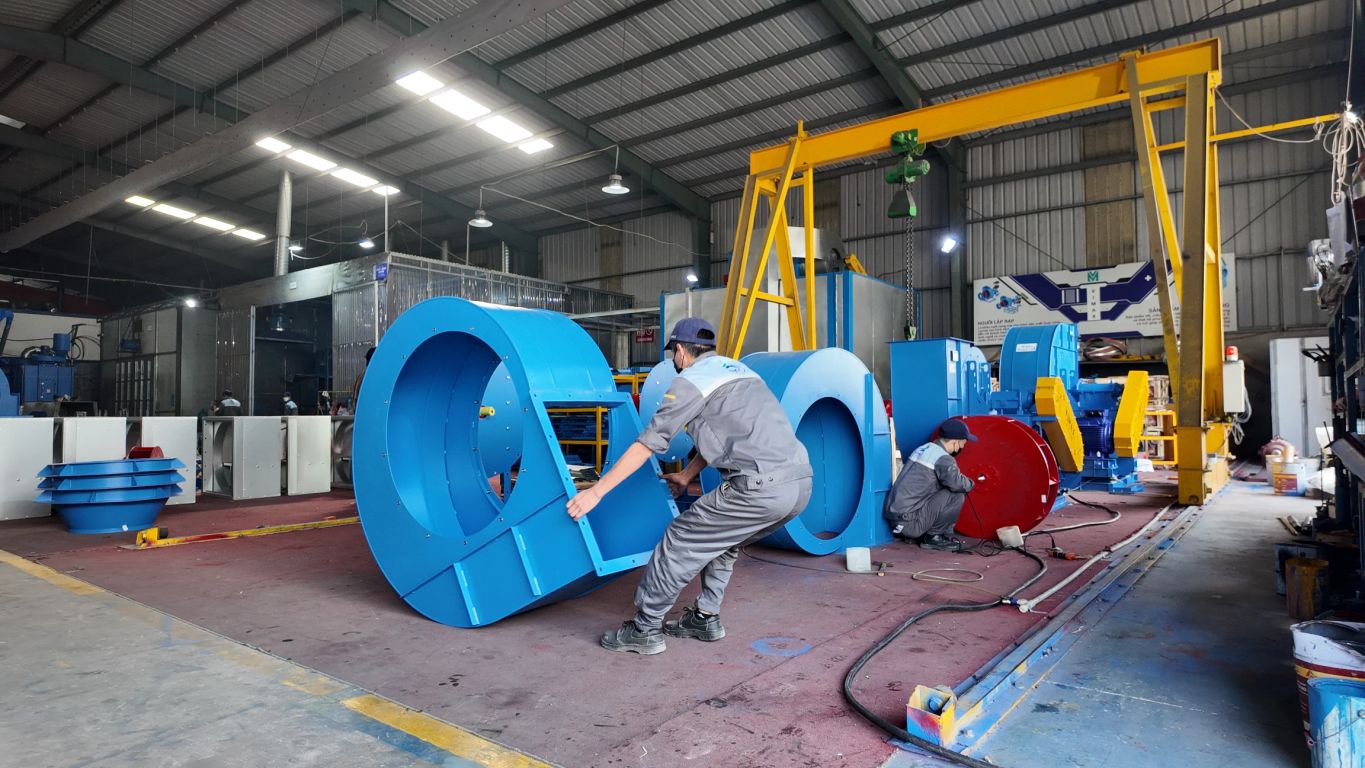
Sometimes, off-the-shelf just doesn’t cut it. You need something built for your specific situation. That’s where customization and engineering come in. We’re talking about exhaust blower fans designed to meet very particular needs, and VIMAX is ready to help.
Collaborating on Bespoke Fan Designs
It all starts with understanding your challenges. We work closely with you to define the exact requirements for your industrial exhaust blower fan. This isn’t just about airflow; it’s about the entire system. We consider:
- The type of contaminants you’re dealing with.
- The operating environment, including temperature and humidity.
- Your existing ductwork and system resistance.
Our team then develops a custom fan design that addresses these specific needs. We use advanced modeling and simulation to ensure optimal performance and efficiency. We want to make sure the industrial ventilation solutions we provide are exactly what you need.
Leveraging Advanced Manufacturing Capabilities
Once the design is finalized, we move into manufacturing. We use state-of-the-art equipment and processes to build your custom fan. This includes:
- Precision cutting and welding.
- Advanced balancing techniques.
- Thorough testing and quality control.
We can work with a variety of materials, including stainless steel, aluminum, and specialized alloys, to ensure your fan can withstand even the harshest conditions. We’re committed to delivering a product that’s built to last. We also offer export-ready solutions, so no matter where your business is located, we can get you the equipment you need.
Ensuring Compliance with Industry Standards
Compliance is non-negotiable. We make sure all our custom fans meet or exceed relevant industry standards, including:
- OSHA regulations.
- AMCA standards.
- Local and regional codes.
We provide complete documentation and certification to demonstrate compliance. You can rest assured that your custom fan will meet all applicable requirements. We understand the importance of safety and reliability, and we’re committed to providing products that meet the highest standards.
Ready to discuss your unique fan requirements? Contact us today to learn more about our customization and engineering services.
Every factory has its own special needs, especially when it comes to exhaust fans. We don’t just sell fans; we make them fit your exact situation. This means you get a fan that works perfectly for your business, no matter how unique your setup is. Want to see how we can help your factory? Check out our website to learn more about our custom solutions.
Wrapping Things Up
So, picking the right industrial exhaust fan for your business really comes down to a few key things. You’ve got to think about what kind of air you’re moving, how much of it, and where it’s all going. It’s not just about getting air out; it’s about making sure your space is safe and works well. Companies like VIMAX, with their experience in making these kinds of fans, can be a big help. They can make fans that fit exactly what you need, which is pretty important when you’re dealing with specific factory setups. Taking the time to figure out these details upfront means you’ll end up with a system that does its job without any fuss, keeping your operations smooth and your people comfortable.
Frequently Asked Questions
How do I pick the right industrial exhaust blower fan for my business?
To figure out the right fan, you need to know how much air you need to move and how much pressure it will take. Think about what’s in the air – dust, fumes, or chemicals – and how hot or wet it gets. This helps pick the best fan for your factory.
How long do VIMAX industrial exhaust blower fans usually last?
VIMAX fans are built to last. We use strong materials and smart designs to make sure they work well for a long time. Proper care and regular check-ups also help them last even longer.
Can VIMAX customize a fan if my factory has unique requirements?
Yes, VIMAX can make fans just for you! If your factory has special needs, we can design and build a fan that fits perfectly, making sure it works great and meets all the rules.
Are VIMAX industrial exhaust blower fans energy efficient?
VIMAX fans are made with special features to save energy. We focus on making them work efficiently so you don’t use too much electricity, which helps keep your costs down.
What makes VIMAX a good choice for industrial fans?
VIMAX is a top manufacturer from Vietnam. We’re known for making high-quality, precise fans and blowers. We can ship our products all over the world, and we’re great at making fans that are just right for what you need.
What’s the best way to take care of my industrial exhaust blower fan?
Good maintenance means cleaning your fan regularly, checking for any worn-out parts, and making sure everything is running smoothly. This helps your fan last longer and work better. VIMAX can also help you find any parts you might need.