


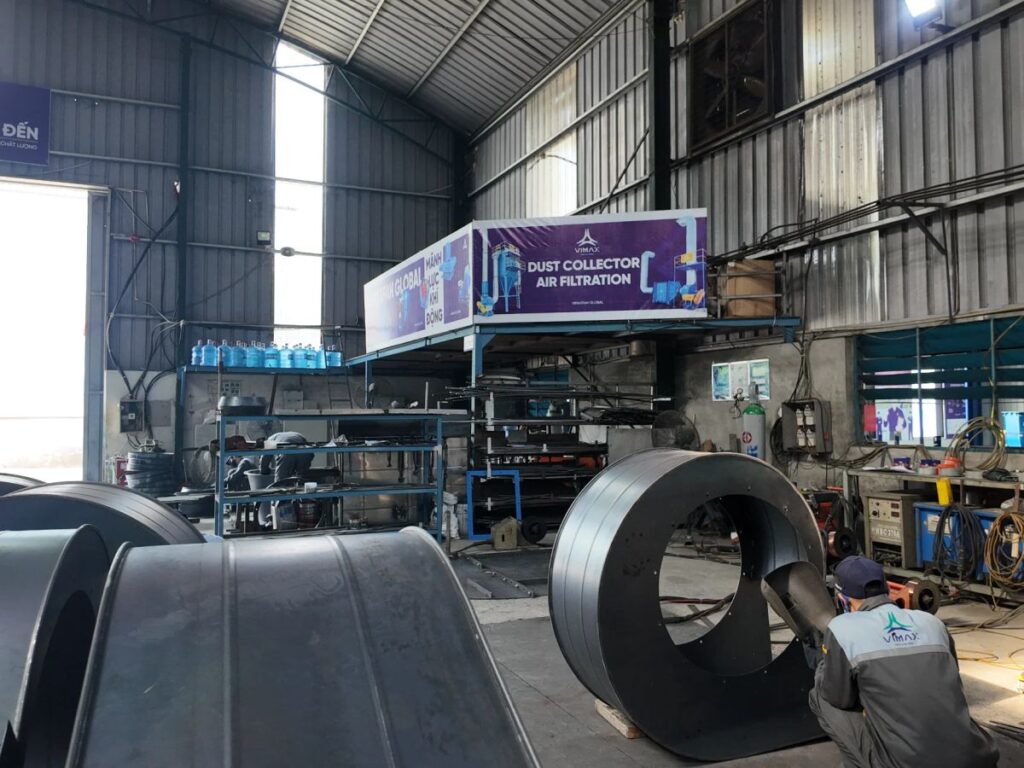
If you’ve ever tried to keep sawdust or metal shavings from piling up in your shop, you know how messy things can get. In this post, I’ll walk you through how to build a dust collection system for your workshop without overthinking it. We’ll cover everything from sizing your fan and filter to laying out ductwork and setting up basics controls. Plus, I’ll point out why VIMAX GLOBAL’s export-ready equipment makes life a lot easier when you need reliable parts shipped anywhere.
Key Takeaways
- Assess your shop’s dust load and figure out the airflow and static pressure you need based on your tools.
- Compare centrifugal and axial fans, then pick filter media that traps the particle sizes you produce.
- Plan your ductwork with the right pipe sizes, smooth transitions, and blast gates to control suction zones.
- Mount and seal your collector core, fan, and motor, add access panels, and consider a preseparator cyclone.
- Set up basic controls, monitor filter health, stick to a maintenance schedule, and partner with VIMAX GLOBAL for export-ready parts.
Essential Guide On How To Build A Dust Collection System
So, you’re thinking about building your own dust collection system? That’s great! It’s a project that can really improve your workshop’s air quality and overall efficiency. But before you jump in, it’s important to lay the groundwork. This section will walk you through the initial steps to make sure your system is effective and meets your specific needs. Think of VIMAX GLOBAL as your potential manufacturing partner in this endeavor; we’re here to help you bring your vision to life with export-ready solutions.
Assessing Workshop Dust Loads
First things first: you need to figure out how much dust your workshop generates. This isn’t just a guess; it’s about understanding the types of tools you use, how often you use them, and the materials you’re working with. Different materials create different amounts of dust, and some dusts are more hazardous than others. For example, sanding hardwood will produce a lot more fine dust than cutting plywood. Consider the size of your workshop too – a larger space will need a more powerful system. Accurately estimating your dust load is the foundation of a well-designed system.
- Identify all dust-producing tools.
- Estimate usage frequency for each tool.
- Determine the types of materials processed.
Understanding your dust load is not just about quantity; it’s also about the type of dust. Some materials produce dust that is more harmful to your health, requiring more robust filtration. Consider investing in a dust analysis to understand the composition of the dust in your workshop. This information will be invaluable when selecting filters and designing your system.
Defining Airflow And Static Pressure Needs
Next up, let’s talk airflow and static pressure. Airflow, measured in cubic feet per minute (CFM), tells you how much air your system can move. Static pressure, measured in inches of water gauge (in. wg), indicates the system’s ability to overcome resistance in the ductwork and filters. You’ll need to calculate the CFM required for each tool based on its dust port size and recommended air velocity. Then, factor in the length and complexity of your ductwork to determine the static pressure. A system with too little airflow won’t effectively capture dust, while one with insufficient static pressure will struggle to pull air through the entire network. Consider Vimax Global’s industrial fan offerings for optimal performance.
| Tool | Dust Port Size (inches) | Recommended CFM | Static Pressure (in. wg) | Notes |
|---|---|---|---|---|
| Table Saw | 4 | 350 | 4 | Consider blade guard dust collection |
| Router Table | 2.5 | 150 | 3 | Enclose router for better collection |
| Belt Sander | 2.5 | 200 | 3.5 |
Establishing Filtration Efficiency Goals
Filtration is where the rubber meets the road. The goal here is to capture as much of the harmful dust as possible before it circulates in your workshop. Filters are rated by their Minimum Efficiency Reporting Value (MERV). Higher MERV ratings mean better filtration of smaller particles. For woodworking dust, a MERV rating of 12 or higher is generally recommended. Consider using a two-stage system with a cyclone separator to remove larger particles before they reach the filter, extending its lifespan and maintaining airflow. Don’t skimp on filtration; your health depends on it. Think about air filtration systems for a cleaner workspace.
- Research different filter media types (e.g., pleated, bag, HEPA).
- Determine the appropriate MERV rating for your dust types.
- Consider a two-stage filtration system for improved efficiency.
Aligning System Scope With Project Objectives
Finally, make sure your system scope aligns with your project objectives. Are you building a system for a small hobby shop or a large-scale industrial operation? This will influence the size and complexity of your system. Consider future expansion – will you be adding more tools or increasing production? It’s often better to overbuild slightly than to be stuck with an inadequate system down the road. And remember, VIMAX GLOBAL is here to help you scale your dust collection solutions as your business grows. Inquire today about how we can support your project with our export-ready manufacturing capabilities. Let’s collaborate to create a safer, cleaner, and more efficient workspace for you.
Strategic Selection Of Industrial Fans And Filters
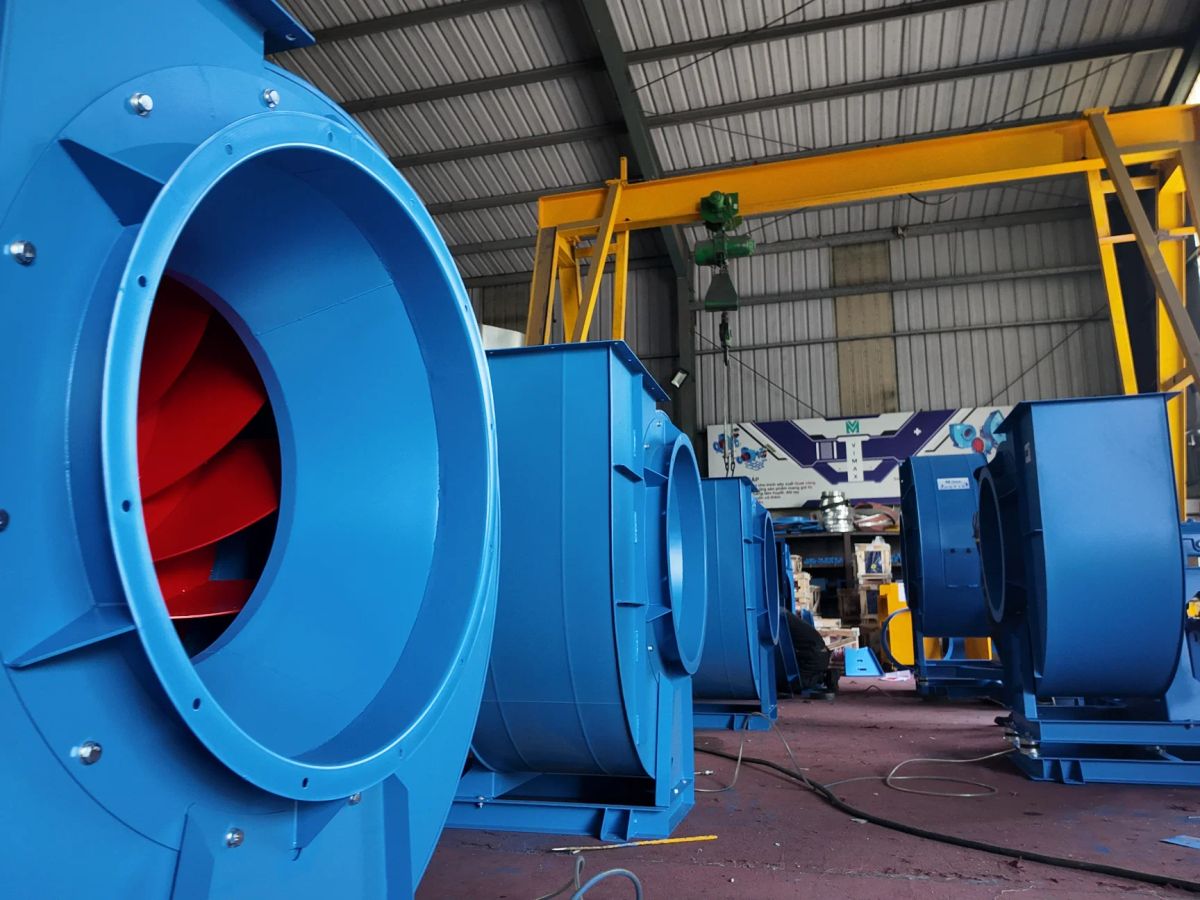
Choosing the right fans and filters is super important for a dust collection system that works well and lasts. It’s not just about picking something off the shelf; it’s about understanding what you need and finding equipment that can handle the job, especially if you’re planning to export your setup. Let’s get into the details.
Comparing Centrifugal And Axial Fan Benefits
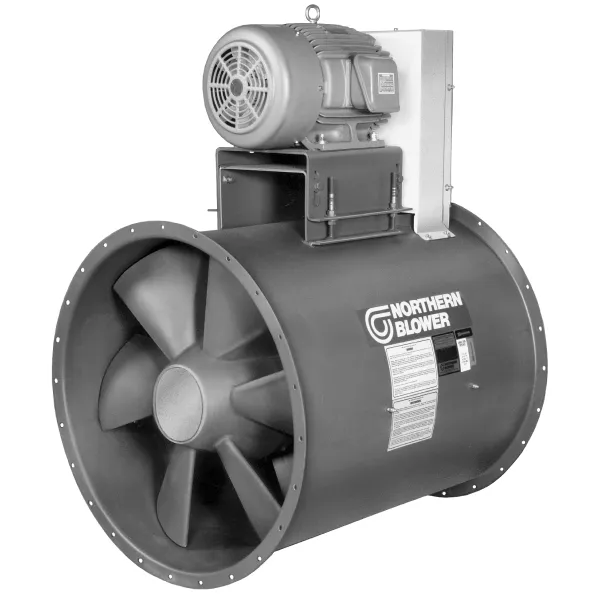
Centrifugal and axial fans both move air, but they do it in different ways, making them suitable for different jobs. Centrifugal fans are like workhorses; they’re great at moving air against high resistance, which means they’re good for systems with lots of ductwork or filters that restrict airflow. Axial fans, on the other hand, are better for moving large volumes of air with less resistance. Think of them as good for simple ventilation tasks. Here’s a quick comparison:
| Feature | Centrifugal Fans | Axial Fans |
|---|---|---|
| Airflow | Lower volume, higher pressure | Higher volume, lower pressure |
| Static Pressure | High | Low |
| Efficiency | Good at high resistance | Good at low resistance |
| Noise | Can be louder | Generally quieter |
| Applications | Dust collection, HVAC systems | General ventilation, cooling |
Consider your system’s specific needs. If you need to move air through a complex duct system with filters, a centrifugal fan is likely the better choice. If you’re looking for simple air movement, an axial fan might do the trick. VIMAX GLOBAL offers a range of axial fans to meet diverse needs.
Evaluating High Pressure Fan Applications
High-pressure fans are the heavy hitters of the fan world. They’re designed to move air against significant resistance, making them ideal for dust collection systems that handle heavy dust loads or have long, complex duct runs. These fans can maintain consistent airflow even when filters start to clog, ensuring your system continues to work effectively. If your dust collector needs to move a lot of air through a tough system, high pressure is the way to go. Think about the type of dust you’re collecting, too. Finer dusts tend to clog filters faster, increasing resistance and making a high-pressure fan even more important. Want to know more about high pressure applications? Reach out to VIMAX GLOBAL to discuss your project requirements.
Choosing Filter Media For Particle Sizes
The filter is what actually captures the dust, so picking the right one is key. Different filter media are good at catching different sizes of particles. For example, a coarse filter might be fine for catching wood chips, but it won’t do much for fine dust from sanding. HEPA filters are great for catching very small particles, but they can also restrict airflow more. Here’s a basic guide:
- Coarse Filters: Good for large particles like wood chips or metal shavings.
- Medium Filters: Good for general dust collection, like from sawing or grinding.
- Fine Filters: Good for very small particles like sanding dust or fumes.
- HEPA Filters: The best for capturing the smallest particles, like smoke or allergens.
Selecting the right filter media is a balance between capturing the particles you need to capture and maintaining adequate airflow. Consider the types of materials you’ll be working with and the size of the particles they produce. Also, think about how often you’ll need to replace the filters. Some filter media are washable, while others need to be replaced.
Integrating Preseparator Cyclone Units
Adding a preseparator, like a cyclone, can seriously improve your dust collection system. A cyclone uses centrifugal force to remove larger particles from the airstream before they reach the main filter. This does a few things: it extends the life of your filter, it reduces the amount of dust that gets into your fan, and it makes your system more efficient overall. It’s like giving your dust collector a first line of defense. Here’s why you should consider one:
- Extends Filter Life: By removing larger particles, the filter doesn’t have to work as hard, lasting longer.
- Reduces Fan Wear: Less dust going through the fan means less wear and tear, extending its lifespan.
- Improves Efficiency: With less dust clogging the filter, the system maintains better airflow.
If you’re dealing with a lot of large particles, a cyclone is a no-brainer. It’s a simple addition that can make a big difference. VIMAX GLOBAL can help you integrate dust collectors into your existing systems. Contact us today to explore partnership opportunities.
Designing A Streamlined Ductwork Network
Effective dust collection hinges on a well-designed ductwork system. It’s not just about connecting point A to point B; it’s about optimizing airflow, minimizing energy loss, and ensuring the system works efficiently for years to come. Let’s explore the key aspects of designing a ductwork network that meets the demands of your industrial setting.
Mapping Airflow Pathways For Maximum Efficiency
Planning your ductwork starts with understanding where dust is generated and how it needs to be moved. Consider the location of each dust-producing machine and the path the ductwork will take to the dust collectors. Aim for the shortest, straightest runs possible to reduce friction and maintain consistent airflow. A well-thought-out plan minimizes bends and obstructions, leading to a more efficient system. Think about future expansion too. Can the system easily accommodate additional machines or collection points? Planning for this now can save headaches later.
Specifying Duct Sizes And Materials
The size and material of your ductwork are critical for performance and longevity. Duct diameter directly impacts airflow velocity and static pressure. Undersized ducts restrict airflow, while oversized ducts can lead to dust settling and reduced efficiency. Material selection depends on the type of dust being collected. For abrasive materials, consider using thicker gauge steel or abrasion-resistant coatings. For corrosive materials, stainless steel or specialized plastics may be necessary. VIMAX GLOBAL can assist in selecting the optimal materials for your specific application, ensuring export readiness and compliance with international standards.
Incorporating Blast Gates For Zone Control
Blast gates are essential for controlling airflow to individual machines or zones within your workshop. They allow you to shut off suction to unused areas, maximizing the efficiency of the system and reducing energy consumption. Strategically placed blast gates enable you to fine-tune the system based on your current needs. This is especially useful in workshops with varying workloads or multiple operators. Remember to choose high-quality blast gates that seal tightly and are easy to operate. Consider automated blast gates for even greater control and convenience.
Minimizing Friction Losses Through Smooth Transitions
Friction is the enemy of efficient airflow. Every bend, joint, and transition in your ductwork creates resistance, reducing suction and increasing energy consumption. Minimize friction losses by using smooth, gradual transitions whenever possible. Avoid sharp 90-degree bends; instead, opt for two 45-degree bends or long-radius elbows. Ensure that all joints are tightly sealed to prevent air leaks. Properly designed transitions and connections can significantly improve the overall performance of your ducted debris-collection system.
A well-designed ductwork system is an investment in the long-term efficiency and effectiveness of your dust collection setup. By carefully considering airflow pathways, duct sizes, materials, and friction losses, you can create a system that meets your specific needs and provides years of reliable service.
Ready to optimize your dust collection system? Contact VIMAX GLOBAL today to discuss your project requirements and explore our range of industrial-grade components. We’re here to help you build a dust collection solution that’s both efficient and export-ready. Let’s collaborate on a cleaner, safer, and more productive workspace.
Assembling And Installing Core Dust Collector Components
Mounting The Dust Collector Core Unit
Getting the core unit properly mounted is a big deal. You want a solid, vibration-free setup. Think about the weight of the unit, especially when the collection drum is full. Bolting it to a concrete floor is often the best bet, but a reinforced steel frame can also work. Make sure you use vibration dampeners; they’ll save you a lot of noise and wear in the long run. We’re talking industrial quality here, so don’t skimp on the hardware. For export-ready solutions, consider units designed for easy disassembly and reassembly. VIMAX GLOBAL can help with custom mounting solutions tailored to your specific needs. Inquire about dust collection systems for your project.
Aligning Fan And Motor Assemblies
Misalignment is a killer for fan and motor life. Precision is key when you’re bolting these together. Use a laser alignment tool if you can; it’s worth the investment. Check the coupling regularly, and make sure the belts (if you’re using them) are properly tensioned. A little bit of preventative maintenance here can save you from major headaches down the road. If you’re dealing with high-pressure applications, double-check the manufacturer’s specs for alignment tolerances.
Sealing Flanges To Prevent Air Leaks
Air leaks are like throwing money out the window. They reduce the system’s efficiency and can even damage the equipment. Use high-quality gaskets and sealants designed for industrial use. Check the flanges regularly for any signs of wear or damage. When you’re tightening the bolts, use a torque wrench to ensure even pressure. For export, consider flanges that meet international standards. VIMAX GLOBAL can provide air filtration systems that are designed for easy and reliable sealing.
Installing Access Panels For Maintenance
Don’t make maintenance a nightmare. Install access panels at key points in the system, like near the filters and the fan. Make sure the panels are easy to open and close, and that they’re properly sealed to prevent air leaks. Think about the size of the panels; you need to be able to get your hands (and maybe even your head) inside to do inspections and repairs. Consider using quick-release fasteners for faster access.
Proper installation of access panels is often overlooked, but it’s a critical factor in ensuring the long-term maintainability and performance of your dust collection system. It’s not just about convenience; it’s about safety and efficiency.
Here’s a simple checklist for access panel installation:
- Panel Size: Ensure adequate size for component access.
- Sealing: Use appropriate gaskets to prevent leaks.
- Fasteners: Opt for quick-release mechanisms.
- Location: Strategically place near filters and fans.
Partner with VIMAX GLOBAL for export-ready solutions and expert guidance on system design and installation. Contact us to discuss your project requirements and explore partnership opportunities.
Integrating Control Systems And Safety Measures
It’s time to talk about the brains and the brawn of your dust collection system. We’re not just moving air; we’re creating a safe and efficient workspace. This section covers how to integrate control systems for optimal performance and implement safety measures to protect your team and equipment. Think of it as adding a high-tech security system to your already robust dust collection setup. Let’s get started.
Configuring Variable Frequency Drives For Load Matching
Variable Frequency Drives (VFDs) are a game-changer. Instead of running your fan at full speed all the time, a VFD lets you adjust the motor’s frequency, which controls the fan’s speed and airflow. This is super useful because dust collection needs change depending on which tools are running. VFDs save energy and reduce wear and tear on your equipment.
Here’s a simple breakdown:
- Reduced energy consumption: Only use the power you need.
- Extended motor life: Less stress on the motor means fewer repairs.
- Precise airflow control: Match the fan speed to the task at hand.
- Soft starts: Gradual acceleration reduces mechanical stress.
Consider VFDs as an investment that pays off in efficiency and longevity. VIMAX GLOBAL can help you select the right VFD for your specific fan and motor combination, ensuring seamless integration and optimal performance. Inquire today about dust collection systems and how VFDs can improve your operations.
Implementing Differential Pressure Monitoring
Differential pressure monitoring is like having a health check for your filters. It measures the pressure drop across the filter media. A clean filter has a low pressure drop, but as it gets clogged, the pressure increases. Monitoring this difference tells you when it’s time to clean or replace the filters.
Here’s why it matters:
- Maintains optimal airflow: Clogged filters reduce suction.
- Prevents filter damage: Excessive pressure can rupture filters.
- Saves energy: A clean filter requires less energy to move air.
- Reduces downtime: Knowing when to change filters prevents unexpected shutdowns.
Differential pressure monitoring is a simple but effective way to keep your dust collection system running smoothly. It’s a proactive approach that saves time, money, and headaches in the long run.
Adding Spark Detection And Suppression
In some industries, like woodworking or metalworking, sparks are a real hazard. If a spark gets sucked into the dust collection system, it can ignite the dust and cause a fire or explosion. Spark detection and suppression systems use sensors to detect sparks and then quickly extinguish them before they reach the collector.
Key features include:
- Infrared sensors: Detect sparks in the ductwork.
- Water spray nozzles: Extinguish sparks with a fine mist.
- Automatic shut-down: Stops the system to prevent further ignition.
- Alarm systems: Alert personnel to the presence of sparks.
These systems are a must-have for any facility dealing with combustible dust. VIMAX GLOBAL can integrate spark detection and suppression into your dust collection system, providing an extra layer of safety for your facility. Contact us to discuss your project and how we can help you meet air filtrations safety requirements.
Ensuring Compliance With Safety Standards
Dust collection systems are subject to various safety standards and regulations, which vary depending on your industry and location. These standards cover everything from system design and installation to maintenance and operation. It’s important to understand and comply with these standards to avoid fines, ensure worker safety, and protect your investment.
Some key areas of compliance include:
- NFPA standards: Cover fire and explosion prevention.
- OSHA regulations: Address workplace safety hazards.
- Local building codes: Dictate installation requirements.
- Environmental regulations: Limit dust emissions.
Compliance can seem daunting, but it’s a critical part of operating a safe and efficient facility. VIMAX GLOBAL has extensive experience in designing and installing dust collection systems that meet or exceed all applicable safety standards. We can help you navigate the regulatory landscape and ensure that your system is fully compliant. Partner with us for export-ready solutions that meet global safety requirements. Let’s talk about your specific needs and how VIMAX GLOBAL can help you achieve your goals with industrial quality centrifugal fans.
Optimizing System Performance With Proactive Maintenance
It’s easy to think the job is done once your dust collection system is up and running. But to keep it working well for years, you need a solid maintenance plan. Think of it like taking care of any other important piece of industrial equipment. Regular checks and upkeep will save you headaches and money down the road. Let’s explore how to keep your system in top shape.
Establishing A Preventive Maintenance Schedule
Creating a schedule is the first step. A well-defined preventive maintenance schedule is the backbone of long-term system performance. This isn’t just about reacting to problems; it’s about preventing them in the first place. Here’s what to consider:
- Daily Checks: Simple visual inspections. Look for obvious issues like leaks, blockages, or unusual noises.
- Weekly Tasks: More detailed checks. Clean pre-filters, check pressure gauges, and inspect ductwork connections.
- Monthly Maintenance: In-depth inspections. Examine the main filter, lubricate moving parts, and check the fan motor.
- Annual Overhaul: A complete system review. Clean all components, replace worn parts, and recalibrate controls. Consider a professional inspection at this stage.
Monitoring Filter Integrity And Airflow
Filters are the heart of your dust collection system. If they aren’t working right, the whole system suffers. Airflow is another key indicator. Changes in airflow can signal problems with filters, ductwork, or the fan itself. Here’s how to keep an eye on things:
- Differential Pressure Gauges: These measure the pressure drop across the filter. A high reading means the filter is clogged.
- Airflow Meters: These measure the volume of air moving through the system. A drop in airflow can indicate a blockage or a failing fan.
- Regular Filter Inspections: Physically check the filters for damage or excessive buildup. Replace them according to the manufacturer’s recommendations.
Keeping a close watch on filter performance and airflow will help you catch problems early. This prevents costly repairs and ensures your system continues to protect your workers and equipment. Don’t underestimate the importance of these simple checks.
Planning Component Upgrades For Longevity
Even with the best maintenance, parts wear out. Planning for upgrades is a smart way to avoid unexpected downtime. Here’s what to think about:
- Fan Motors: These are often the first to go. Consider upgrading to a more efficient motor to save energy and reduce maintenance.
- Filters: New filter technologies are always emerging. Upgrading to a better filter can improve air quality and reduce filter changes.
- Ductwork: Over time, ductwork can corrode or become damaged. Replace sections as needed to maintain airflow and prevent leaks.
- Control Systems: Upgrading to a modern control system can improve system performance and provide valuable data for maintenance.
Partnering With VIMAX GLOBAL For Export-Ready Solutions
For businesses looking for industrial-grade air filtration units ready for global deployment, VIMAX GLOBAL is a manufacturing partner to consider. We specialize in designing and building robust dust collection systems that meet international standards. Our systems are built to last, with features like:
- Durable Construction: We use high-quality materials and construction techniques to ensure our systems can withstand the rigors of industrial environments.
- Compliance: Our systems meet or exceed all relevant safety and environmental regulations.
- Customization: We can tailor our systems to meet your specific needs.
Consider VIMAX GLOBAL for your next project. Inquire today about our dust collectors and how we can help you optimize your dust collection system for peak performance and longevity. Let’s discuss your project requirements and explore how our cooling ventilations can provide a reliable, export-ready solution. Contact us to learn more about our high pressure industrial fans and systems.
Keep your system running smooth by spotting small issues early. A quick check today can stop big breaks tomorrow. Proactive maintenance makes machines last longer and work faster. Visit our site to see simple tips and tools at Vimax Global.
## Conclusion
You’ve put in the work, and now your shop has a dust system that really pulls in the fine stuff, keeping your tools clean and your crew safe. It took a few hours and some careful pipe runs, but you’ve got a setup you can trust. When your project grows or you need extra capacity, remember VIMAX GLOBAL. They build top-quality fans and collection units in Vietnam, ready to ship worldwide. Feel free to reach out if you need help picking the right model or putting together a full dust solution. We’re in this together, and with the right partner, your workshop air stays clear for years.
Frequently Asked Questions
How do I figure out the right size dust collector for my workshop?
You can start by adding up the airflow needs of each tool you use, like sanders or saws. Then pick a dust collector that meets or beats that total airflow in CFM. VIMAX GLOBAL offers clear guides and custom options to help you choose a perfect fit.
Should I choose an axial fan or a centrifugal fan for my system?
Axial fans move a lot of air at low pressure. Centrifugal fans push air at higher pressure but in smaller volumes. If your workshop has long ducts or many branches, a centrifugal fan from VIMAX GLOBAL can keep your system running smoothly.
What filter is best for catching fine dust particles?
Look for a filter rated for MERV-13 or higher to trap tiny dust bits. Cartridge filters and HEPA-style bags work well for fine particles. VIMAX GLOBAL makes filters in Vietnam that meet tough export and safety rules.
Can I build my own ductwork, and what materials should I use?
Yes, you can DIY your duct network with metal or heavy-duty PVC pipes. Keep ducts as straight as possible and use smooth bends to cut down on airflow loss. VIMAX GLOBAL can supply pre-cut duct sections that fit together with tight seals.
How often should I clean or replace filters in my dust collection system?
Check your filter every month to see how much dust has built up. Clean or swap filters when airflow drops or the pressure gauge shows a big change. VIMAX GLOBAL offers easy-to-change filters and clear maintenance guides.
What safety features should I add to my dust collector?
Install spark detectors and suppression tools if you work with metal or hot dust. Use a differential pressure gauge to spot filter clogs early. VIMAX GLOBAL systems come with these options and meet global safety standards.