


Ever wondered how factories keep their air clean? Or maybe how woodshops manage all that sawdust? It’s all thanks to something called a dust collection system. These systems are pretty important for keeping workplaces safe and healthy. They grab tiny particles out of the air, making sure everyone can breathe easy. So, how does a dust collection system work? Let’s take a closer look at what goes on inside these machines.
Key Takeaways
- Dust collection systems are important for keeping air clean in industrial places.
- They work by pulling in dusty air, separating out the particles, and then sending out clean air.
- Different types of systems exist, like baghouses and cartridge collectors, each good for different kinds of dust.
- Picking the right parts and keeping the system in good shape helps it work its best.
- These systems also help businesses follow safety rules and protect workers from harmful dust.
Understanding the Core Principles of Dust Collection
Dust collection systems are a cornerstone of modern industrial operations, playing a role that goes way beyond just keeping things tidy. They’re about worker safety, environmental responsibility, and even process efficiency. Let’s break down the core ideas behind how these systems work.
Defining Industrial Dust and Particulates
Industrial dust isn’t just the stuff you find under your couch. It’s a broad category that includes all sorts of airborne particles generated by manufacturing processes. This can range from sawdust and metal shavings to chemical fumes and even tiny bits of plastic. The size, shape, and composition of these particles vary a lot, and that affects how we deal with them. For example, very fine dust requires different filtration media than larger particles. Understanding the specific type of dust you’re dealing with is the first step in designing an effective dust collection system. Vimax understands these nuances and can help you select the right equipment for your specific needs.
The Importance of Air Quality Control
Why bother with dust collection at all? Well, the benefits are pretty significant. First and foremost, it’s about protecting the health of your workers. Breathing in industrial dust can lead to all sorts of respiratory problems, from simple irritation to serious long-term illnesses. Good air quality also improves productivity – people simply work better when they’re not coughing and sneezing all day. Plus, there are environmental regulations to consider. Many countries have strict limits on the amount of dust that industrial facilities can release into the atmosphere. Failing to comply can result in hefty fines and even legal action. Finally, in some industries, dust collection can actually help you recover valuable materials that would otherwise be lost.
Fundamental Concepts of Airflow Dynamics
At its heart, a dust collection system is all about moving air. The basic idea is to create a flow of air that sucks up dust and carries it to a collection point. Several factors influence how well this works. Air velocity is key – you need enough speed to capture the dust, but not so much that you create turbulence or waste energy. Ductwork design also matters. Smooth, properly sized ducts minimize friction and ensure efficient airflow. And of course, the fan itself needs to be powerful enough to move the required volume of air. Getting the airflow right is a balancing act, and it’s where experience and engineering expertise really come into play. Vimax can help you optimize your airflow dynamics for maximum efficiency. Consider Vimax as your manufacturing partner for export-ready solutions. Inquire today about your project or partnership opportunities.
Effective dust collection relies on understanding the interplay between particle characteristics, airflow dynamics, and system design. It’s not just about slapping a filter on a fan; it’s about creating a carefully engineered solution that addresses your specific needs.
Key Components of a Dust Collection System
Dust collection systems are complex setups, but they all rely on a few key components to function properly. Understanding these parts is important for selecting the right system and maintaining it for optimal performance. Vimax is ready to help you navigate these choices with our industrial-grade solutions.
Inlet and Ductwork Design
The inlet and ductwork are the entry points for dust-laden air into the system. Proper design is critical to capture dust effectively and minimize pressure drop. The size, shape, and placement of inlets must be carefully considered based on the specific application and the characteristics of the dust being collected. Ductwork should be smooth, with gradual transitions and minimal bends, to reduce turbulence and prevent dust from settling. We can help you design a system that maximizes efficiency and minimizes energy consumption. Consider dust collection systems for your facility.
The Role of the Filtration Unit
The filtration unit is the heart of any dust collection system. It’s where the actual separation of dust particles from the air stream occurs. Different types of filters are used depending on the size and type of dust particles, the airflow rate, and the required efficiency. Common filter types include:
- Bag filters: These are effective for a wide range of dust types and particle sizes.
- Cartridge filters: These are often used for finer dust and offer a compact design.
- HEPA filters: These provide the highest level of filtration for critical applications.
Selecting the right filter media is crucial for achieving the desired air quality and extending the life of the system. Vimax offers a range of filtration solutions to meet your specific needs. Inquire about our air filtration options.
Fan and Motor Integration
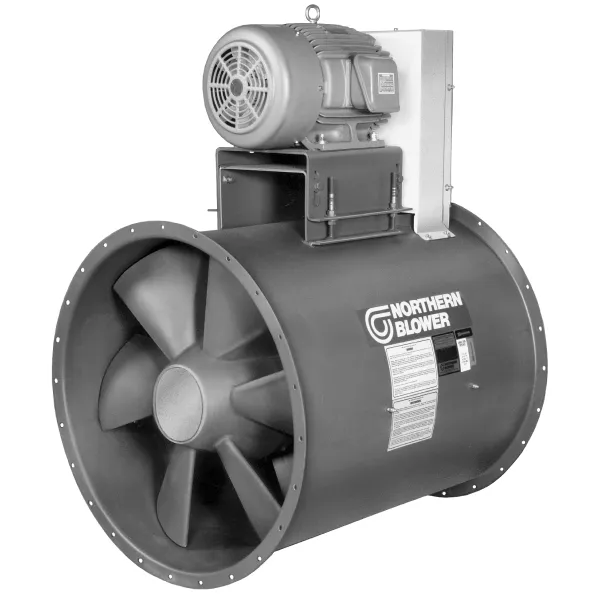
The fan and motor provide the power to move air through the dust collection system. The size and type of fan must be carefully matched to the system’s airflow requirements and pressure drop. Factors to consider include:
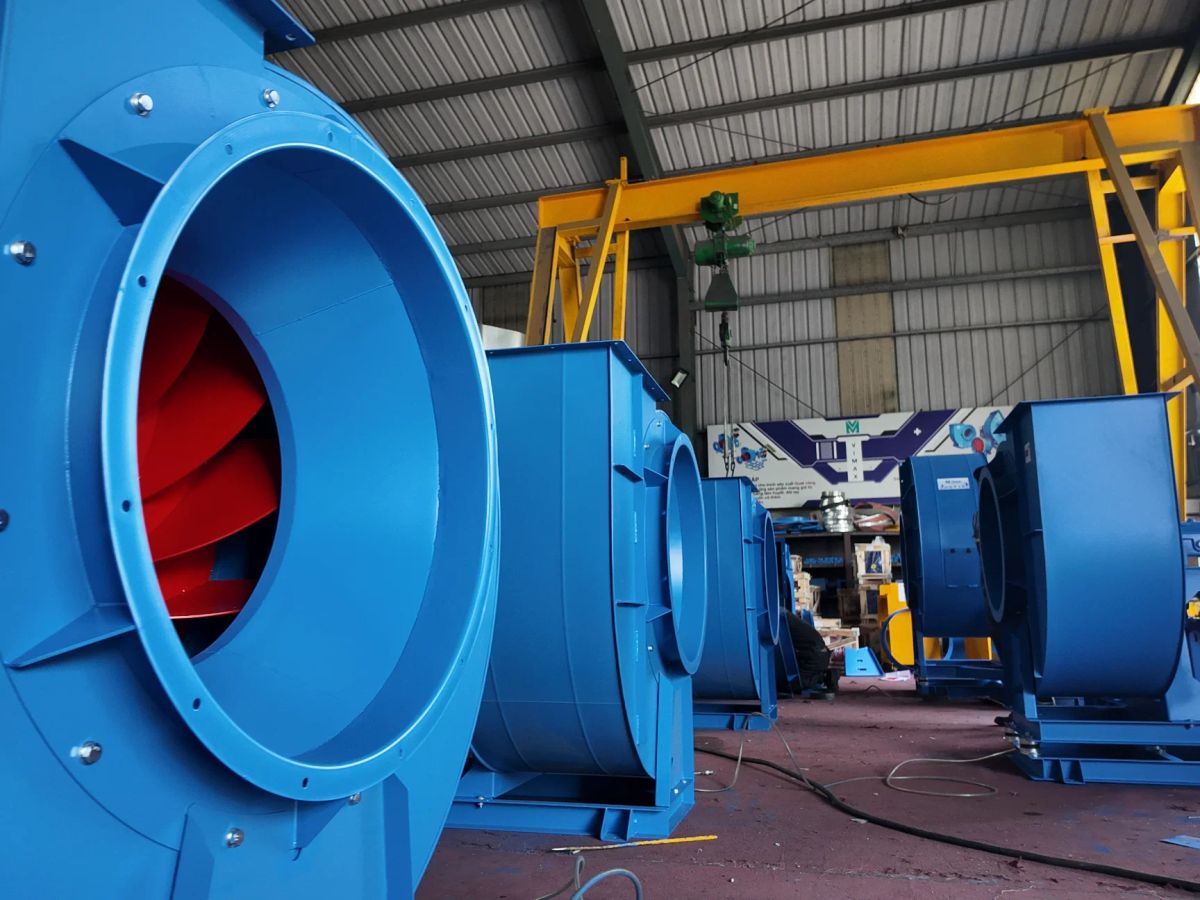
- Fan type: Centrifugal fans are commonly used for dust collection due to their ability to handle high pressure drops.
- Motor horsepower: The motor must be powerful enough to drive the fan at the required speed and airflow.
- Variable frequency drives (VFDs): VFDs can be used to adjust the fan speed and airflow, optimizing energy consumption and system performance.
Dust Discharge Mechanisms
Once the dust has been collected by the filtration unit, it needs to be removed from the system. Various dust discharge mechanisms are available, including:
- Hoppers: These collect dust at the bottom of the collector and can be emptied manually or automatically.
- Rotary airlocks: These provide an airtight seal while allowing dust to be discharged continuously.
- Screw conveyors: These transport dust to a collection point.
The choice of discharge mechanism depends on the volume of dust being collected and the desired level of automation. Vimax can help you select the right components for a complete, efficient dust collection solution. Contact us today to discuss your project requirements and explore how Vimax can be your trusted manufacturing partner.
The Operational Cycle: How Does a Dust Collection System Work?
Dust collection systems operate in a continuous cycle to maintain air quality and control dust levels in industrial environments. Understanding this cycle is key to optimizing system performance and ensuring a safe working environment. Vimax is ready to help you design and implement the right system for your needs. Let’s explore the steps involved.
Capturing Airborne Contaminants
The first step in the dust collection process is capturing dust and other airborne particles at the source. This is typically achieved through strategically placed inlet and ductwork design that draws contaminated air into the system. The effectiveness of this stage depends heavily on proper hood design and airflow management. If you’re struggling with dust at the source, reach out to Vimax for a consultation.
Separation and Filtration Processes
Once the dust-laden air enters the dust collector, the separation process begins. This involves removing the dust particles from the air stream using various filtration methods. Common techniques include inertial separation (like in cyclone separators), fabric filtration (baghouses), and cartridge filtration. The choice of filtration method depends on the size, type, and concentration of dust particles.
Here’s a simplified overview of common filtration methods:
| Method | Particle Size | Efficiency | Application |
|---|---|---|---|
| Cyclone | Coarse | Low | Pre-filtration, large particles |
| Baghouse | Fine | High | Heavy dust loads |
| Cartridge Filter | Very Fine | Very High | Fine dust, fumes |
Clean Air Recirculation or Exhaust
After the dust particles have been removed, the cleaned air is either recirculated back into the facility or exhausted outside. Recirculating air can save energy by reducing the need for heating or cooling, but it’s crucial to ensure the air meets regulatory standards for air quality. Exhausting air is a simpler option but may require additional permitting and environmental controls. Vimax can help you determine the best approach for your specific situation, considering both efficiency and compliance. We offer dust extraction systems for ANZ companies.
The decision to recirculate or exhaust air should be based on a thorough risk assessment, considering factors such as the type of dust, potential health hazards, and applicable regulations. Regular monitoring of air quality is essential to ensure the effectiveness of the dust collection system and protect worker health.
Consider Vimax as your manufacturing partner for your next project. Inquire today!
Types of Dust Collection Systems and Their Applications
There are many kinds of dust collection systems out there, and picking the right one really depends on what kind of dust you’re dealing with and how much of it there is. Let’s look at some common types and where they fit best. Vimax is ready to help you select the right system for your needs. Inquire today about your project.
Cartridge Collectors for Fine Dust
Cartridge collectors are a solid choice when you’re up against fine, dry dust. They use pleated filter cartridges to capture particles, offering a large surface area in a compact design. These are often used in applications like:
- Welding fumes
- Laser/plasma cutting
- Powder coating
Cartridge collectors are generally easy to maintain, but the cartridges do need regular replacement. The cost of replacement cartridges should be factored into your operational budget. Consider dust collectors for fine dust applications.
Baghouse Systems for Heavy Dust Loads
Baghouse collectors are the workhorses when it comes to handling heavy dust loads. They use fabric filter bags to trap dust particles. These systems are well-suited for:
- Grain, seed, and feed processing
- Cement production
- Woodworking
Baghouses can handle large volumes of dust, but they often take up more space than cartridge collectors. They also require a bit more maintenance, including occasional bag replacement. Vimax can help you design a baghouse system tailored to your specific needs. Contact us to discuss a potential partnership.
Cyclone Separators for Pre-Filtration
Cyclone separators are often used as a first step in a dust collection system. They use centrifugal force to separate larger particles from the airstream before it reaches the main filter. This helps to extend the life of the filters in downstream collectors. Common applications include:
- Mining operations
- Foundries
- Any process generating large debris
Cyclone separators are relatively low-maintenance and energy-efficient, but they’re not effective at capturing very fine particles. They work best when paired with another type of collector. Vimax offers integrated solutions that combine cyclone separators with other dust collection technologies. Let’s talk about your project requirements.
Choosing the right dust collection system is a big decision. It’s not just about buying equipment; it’s about making sure your facility is safe, compliant, and running efficiently. Consider factors like the type and amount of dust, the available space, and your budget. Don’t hesitate to reach out to Vimax for expert guidance and support.
Optimizing Performance and Efficiency
To get the most out of your industrial dust collection system, it’s important to focus on several key areas. We’re talking about keeping things running smoothly, saving energy, and making sure your system is sized just right for the job. Let’s explore how to do that.
Selecting the Right Filtration Media
The filtration media is the heart of your dust collection system. Choosing the right one can make a huge difference in performance and efficiency. Consider the type of dust you’re dealing with, the particle size, and the operating temperature. Different materials work better for different applications. For example, some filters are great for fine dust, while others are better suited for larger particles. Getting this right will improve filtration and extend the life of your system. Vimax can help you select the optimal air filtration systems for your specific needs.
Maintaining Optimal Air-to-Cloth Ratios
The air-to-cloth ratio is a critical factor in baghouse and cartridge collector performance. It refers to the amount of air passing through a given area of filter media. Maintaining the right balance is key to efficient dust collection. If the ratio is too high, you’ll overload the filters, reduce their lifespan, and increase pressure drop. If it’s too low, you’re not using the system to its full potential. Regular monitoring and adjustments are essential. Here’s a simple table to illustrate:
| Air-to-Cloth Ratio | Effect |
|---|---|
| Too High | Reduced filter life, high pressure drop |
| Too Low | Underutilization of system |
| Optimal | Efficient dust collection |
Energy Consumption and System Sizing
Energy consumption is a big deal, especially with today’s focus on sustainability and cost savings. Make sure your dust collection system is sized correctly for your application. An oversized system wastes energy, while an undersized one won’t do the job properly. Also, look for energy-efficient components like high-efficiency motors and variable frequency drives (VFDs). These can significantly reduce your energy bills. Vimax’s cooling ventilation solutions are designed with energy efficiency in mind.
Optimizing your dust collection system isn’t just about performance; it’s about long-term cost savings and environmental responsibility. By focusing on filtration media, air-to-cloth ratios, and energy consumption, you can ensure your system operates efficiently and effectively for years to come.
Here are some steps you can take to improve energy efficiency:
- Conduct a system audit to identify areas for improvement.
- Upgrade to high-efficiency motors and VFDs.
- Optimize ductwork to reduce pressure drop.
- Implement a regular maintenance schedule to keep the system running smoothly.
Interested in learning more about how Vimax can help you optimize your dust collection system? Inquire today about your project or potential partnerships.
Ensuring Safety and Compliance in Dust Management
It’s easy to overlook safety when you’re focused on production, but with dust collection, it’s non-negotiable. We’re talking about potential explosions, health hazards, and hefty fines if you don’t follow the rules. Let’s break down what it takes to keep your facility safe and compliant.
Mitigating Combustible Dust Hazards
Combustible dust is a serious threat in many industries. Even seemingly harmless materials like wood, grain, or plastic can become explosive when finely dispersed in the air. A small spark can trigger a devastating explosion. To prevent this, you need a multi-layered approach:
- Hazard Assessment: Figure out what materials in your facility could be combustible dust hazards. Test them to understand their explosibility characteristics.
- Source Control: Minimize dust generation at the source. Use proper equipment and procedures to contain dust during manufacturing processes.
- Dust Collection Systems: Install and maintain industrial dust collectors designed to handle combustible dust. These systems should be equipped with explosion vents, suppression systems, and spark arrestors.
- Housekeeping: Regularly clean up dust accumulations on floors, equipment, and overhead surfaces. Don’t let dust build up to dangerous levels.
- Training: Make sure your employees know about the risks of combustible dust and how to prevent explosions. Conduct regular training sessions and drills.
Combustible dust incidents are preventable. A proactive approach that combines engineering controls, administrative procedures, and employee training is key to mitigating the risk of explosions.
Adhering to Environmental Regulations
Dust collection isn’t just about safety; it’s also about protecting the environment. Environmental regulations limit the amount of dust and particulate matter that can be released into the atmosphere. Failing to comply can result in fines, legal action, and damage to your company’s reputation. Here’s what you need to do:
- Know the Regulations: Understand the federal, state, and local regulations that apply to your industry and facility. These regulations may specify emission limits, monitoring requirements, and reporting obligations.
- Permitting: Obtain the necessary permits for your dust collection systems. This may involve submitting detailed engineering plans and demonstrating that your system meets regulatory requirements.
- Monitoring and Reporting: Regularly monitor your dust emissions to ensure compliance. Keep accurate records of your monitoring data and submit required reports to regulatory agencies.
- Maintenance: Properly maintain your dust collection systems to ensure they operate efficiently and effectively. Regular maintenance can prevent breakdowns and reduce emissions.
Implementing Regular Maintenance Protocols
A dust collection system is only as good as its maintenance. Neglecting maintenance can lead to reduced efficiency, increased emissions, and safety hazards. Here’s a maintenance checklist to keep your system running smoothly:
- Filter Inspection: Regularly inspect filters for damage, wear, and plugging. Replace filters as needed to maintain optimal performance.
- Ductwork Inspection: Check ductwork for leaks, corrosion, and obstructions. Repair or replace damaged sections to prevent air leaks and maintain airflow.
- Fan and Motor Maintenance: Lubricate fan bearings, check motor windings, and inspect belts and pulleys. Replace worn or damaged components to prevent breakdowns.
- Cleaning System Maintenance: Inspect and maintain the cleaning system (e.g., pulse-jet system) to ensure it operates effectively. Clean or replace nozzles as needed.
- Pressure Drop Monitoring: Monitor the pressure drop across the filter. A high-pressure drop indicates that the filter is plugged and needs to be cleaned or replaced.
Partner with Vimax for air filtrations and dust collection solutions that prioritize safety and compliance. Our systems are engineered to meet the strictest standards, and we offer comprehensive support to help you maintain a safe and compliant facility. Contact us today to discuss your project requirements and explore how we can help you achieve your goals.
Advanced Technologies in Dust Collection
Dust collection has come a long way, and new tech is changing how we handle it. These advancements mean better performance, safer workplaces, and easier compliance with rules. Vimax is committed to staying at the forefront, integrating these technologies into our dust collection systems to provide top-notch solutions for our clients. Let’s explore some of these innovations.
Pulse-Jet Cleaning Mechanisms
Pulse-jet cleaning is a big deal in modern dust collectors. Instead of shaking or reverse air, these systems use short bursts of compressed air to clean the filter media. This means the collector can run continuously without needing to be shut down for cleaning. This leads to higher efficiency and less downtime.
Here’s a quick look at the benefits:
- Continuous operation
- More effective cleaning
- Longer filter life
Smart Monitoring and Automation
Smart tech is making dust collection smarter. Sensors and software can now monitor system performance in real-time. This includes things like pressure drop, airflow, and dust concentration. If something isn’t right, the system can automatically adjust settings or send alerts. This helps prevent problems and keeps the system running smoothly. Vimax is integrating these features to provide air filtration solutions that are both efficient and easy to manage.
Integrated Solutions for Complex Environments
Sometimes, dust collection needs to be part of a bigger system. Integrated solutions combine dust collection with other processes like ventilation, cooling, and material handling. This approach can save space, reduce energy use, and improve overall efficiency. Vimax can work with you to design and build custom solutions that fit your specific needs.
We understand that every industrial environment is unique. That’s why we focus on creating tailored solutions that address your specific challenges. Our team is ready to partner with you to develop and implement advanced dust collection systems that meet your needs and exceed your expectations.
Interested in learning more about how Vimax can help with your dust collection needs? Inquire today about your project or potential partnership.
Modern dust collection systems are pretty amazing, using smart tech to keep the air clean. They’re way better than older methods at catching tiny bits of dust and other stuff floating around. If you want to see how these cool new systems can help your business, check out our website. We’ve got lots of info on how we’re leading the way in making industrial air cleaner.
Conclusion
So, that’s how dust collection systems work. They’re pretty important for keeping workplaces clean and safe. Knowing how these systems operate can help you pick the right one for your needs. If you’re looking for good industrial air solutions, VIMAX GLOBAL has a lot of options. We make different kinds of fans and air systems, and we’re ready to work with businesses worldwide. We want to be your partner for all your industrial air needs.
Frequently Asked Questions
What exactly is a dust collection system?
A dust collection system is like a giant vacuum cleaner for factories and workshops. It sucks up tiny bits of dust and other small particles from the air, making the place cleaner and safer to work in. These systems are super important for keeping the air healthy and preventing explosions from certain types of dust.
What are the main parts of a dust collector?
These systems usually have a few main parts: a hood or inlet to catch the dust, ducts (like big pipes) to carry it, a filter unit to separate the dust from the air, a powerful fan to move the air, and a way to collect and get rid of the dust. VIMAX GLOBAL designs and builds all these parts to work together perfectly.
How does a dust collection system actually clean the air?
First, the system pulls in dusty air from where work is being done. Then, this air goes through filters that trap the dust, letting only clean air pass through. Finally, the clean air is either sent back into the building or released outside, and the collected dust is stored for safe disposal. It’s a continuous cycle that keeps the air clear.
Are there different kinds of dust collection systems?
There are different kinds! Some, like cartridge collectors, are great for very fine dust. Others, called baghouses, handle lots of heavy dust. Cyclone separators are often used first to remove bigger pieces before the air goes to finer filters. VIMAX GLOBAL offers a range of systems, so you can find the perfect fit for your specific needs.
How can I make sure my dust collector works its best?
Choosing the right filter material is key, and so is making sure the system is the right size for the amount of air it needs to clean. Regular check-ups and cleaning of the filters also help keep everything running smoothly and efficiently. VIMAX GLOBAL can help you pick the best system and keep it in top shape.
Is dust collection important for safety and following rules?
Yes, absolutely! Some dust can explode, so it’s vital to have systems that prevent this. Also, there are rules about how much dust can be in the air and how it should be disposed of to protect both workers and the environment. VIMAX GLOBAL builds systems that meet these important safety and environmental rules, ensuring your operations are compliant and secure.