


Getting a good dust collection system in your workshop is a big deal for keeping things clean and safe. Dust can be a real problem, not just for your tools, but for your health too. This guide will walk you through how to set up a dust collection system that works well, from figuring out what you need to keeping it running smoothly. We’ll cover the basics and some smart ideas to help you breathe easier and make your workspace better. VIMAX GLOBAL knows about air systems, and we’re here to help you understand how to make your workshop air cleaner.
Key Takeaways
- Figure out where dust comes from in your shop and how much there is. This helps you pick the right system.
- Choose the right dust collector and parts. Make sure the ducts are the right size for good airflow.
- Plan out your ductwork carefully. Keep lines straight and connections tight to avoid losing power.
- Install everything correctly. Make sure parts are secure and electrical hookups are safe.
- Keep up with regular cleaning and checks. This makes your system last longer and work its best.
Assessing Your Workshop’s Specific Dust Collection Needs
Before you even think about dust collectors or ductwork, it’s important to take a good, hard look at your workshop. What kind of dust are you dealing with? How much of it? And where is it coming from? Getting a handle on these questions will make sure you pick the right system for your needs. Vimax is ready to help you assess your needs and find the right solution.
Identifying Primary Dust Sources and Volume
First things first, figure out where the dust is actually coming from. Obvious, right? But it’s more than just saying "the table saw." Think about how the dust is generated. Is it a fine mist from sanding? Big chunks from a lathe? Knowing this helps you choose the right collection methods. Also, how much dust are we talking about? A hobbyist turning pens once a week has different needs than a production shop running all day, every day. Estimating the volume of dust produced is key to sizing your dust collector appropriately.
Here’s a quick rundown of common dust sources:
- Table saws
- Sanders (belt, orbital, etc.)
- Jointers and planers
- Lathes
- CNC machines
Evaluating Workshop Layout and Tool Placement
Think about the layout of your shop. Where are your tools located? Are they clustered together, or spread out? This will impact how you run your ductwork. A compact shop might be fine with a single, central dust collector, while a larger shop might need multiple units or a more complex ducting system. Also, consider future expansion. Will you be adding more tools later? Plan for that now, so you don’t have to redo everything later. When thinking about workshop size, consider the space needed for dust collection equipment.
Understanding Material Types and Particle Sizes
Not all dust is created equal. Wood dust is different from metal dust, which is different from plastic dust. Each material has different particle sizes and densities, which affects how it behaves in your dust collection system. Finer particles require better filtration to avoid recirculating them back into the air. Also, some materials are more hazardous than others. For example, certain hardwoods can be carcinogenic, so you’ll want to make sure you have adequate protection. Vimax can help you select the right filtration for your specific materials.
Understanding the materials you work with is important for safety and efficiency. Different materials produce different types of dust, which require different filtration methods. Ignoring this can lead to health problems and reduced system performance.
Ready to discuss your project? Contact Vimax today to explore partnership opportunities and get expert advice on setting up your dust collection system.
Selecting the Optimal Dust Collection System Components
Choosing the right components is key to a dust collection system that works well and lasts. It’s not just about buying the most expensive stuff; it’s about picking equipment that fits your specific needs and will hold up under the demands of your workshop. Vimax is ready to help you find the right solution for your business. air filtration systems are a must for any workshop.
Choosing the Right Collector Type and Capacity
There are several types of dust collectors, each with its own strengths. Single-stage collectors are good for smaller shops and occasional use. Two-stage collectors, which include a cyclone separator, are better at removing larger debris before it reaches the filter, extending filter life and maintaining airflow. Cartridge collectors offer high filtration efficiency and are suitable for fine dust. Baghouse collectors are often used in industrial settings for large-volume dust collection. The capacity of the collector should match the total airflow requirements of your tools and the size of your workshop.
To determine the right size, consider:
- The cubic feet per minute (CFM) required by each tool.
- The total CFM needed when multiple tools are running simultaneously.
- The size of your workshop and the amount of ambient dust.
Selecting the right collector type and capacity is a critical decision. Over-sizing can lead to wasted energy and unnecessary expense, while under-sizing will result in inadequate dust collection and potential health hazards. Contact Vimax today to discuss your project requirements.
Determining Appropriate Filtration Media
The filtration media is what actually captures the dust particles. Different materials have different levels of efficiency. Cloth bags are a common and affordable option, but they may not capture very fine particles. Cartridge filters, made from pleated paper or synthetic materials, offer better filtration. HEPA filters are the most efficient, capturing 99.97% of particles 0.3 microns or larger. The choice depends on the type of dust you’re dealing with and the level of air quality you need. Vimax offers a range of dust collectors to meet your needs.
Consider these factors when choosing filtration media:
- MERV Rating: A higher MERV rating indicates better filtration of smaller particles.
- Material: Different materials are better suited for different types of dust.
- Surface Area: A larger surface area means less frequent cleaning and longer filter life.
Sizing Ductwork for Efficient Airflow
The ductwork is the network of pipes that carries dust from your tools to the collector. Proper sizing is essential for maintaining adequate airflow and preventing clogs. Undersized ductwork will restrict airflow, reducing the effectiveness of the system. Oversized ductwork can lead to reduced velocity, causing dust to settle in the pipes. The diameter of the ductwork should be calculated based on the CFM requirements of each tool and the distance from the tool to the collector. Vimax can help you design a ductwork system that maximizes efficiency.
Here’s a simple table to illustrate the relationship between duct diameter and airflow:
| Duct Diameter (inches) | Recommended CFM Range | Notes take the next step and contact Vimax to discuss your specific needs and explore how we can partner on your next project.
Designing an Effective Ductwork Layout for Maximum Efficiency
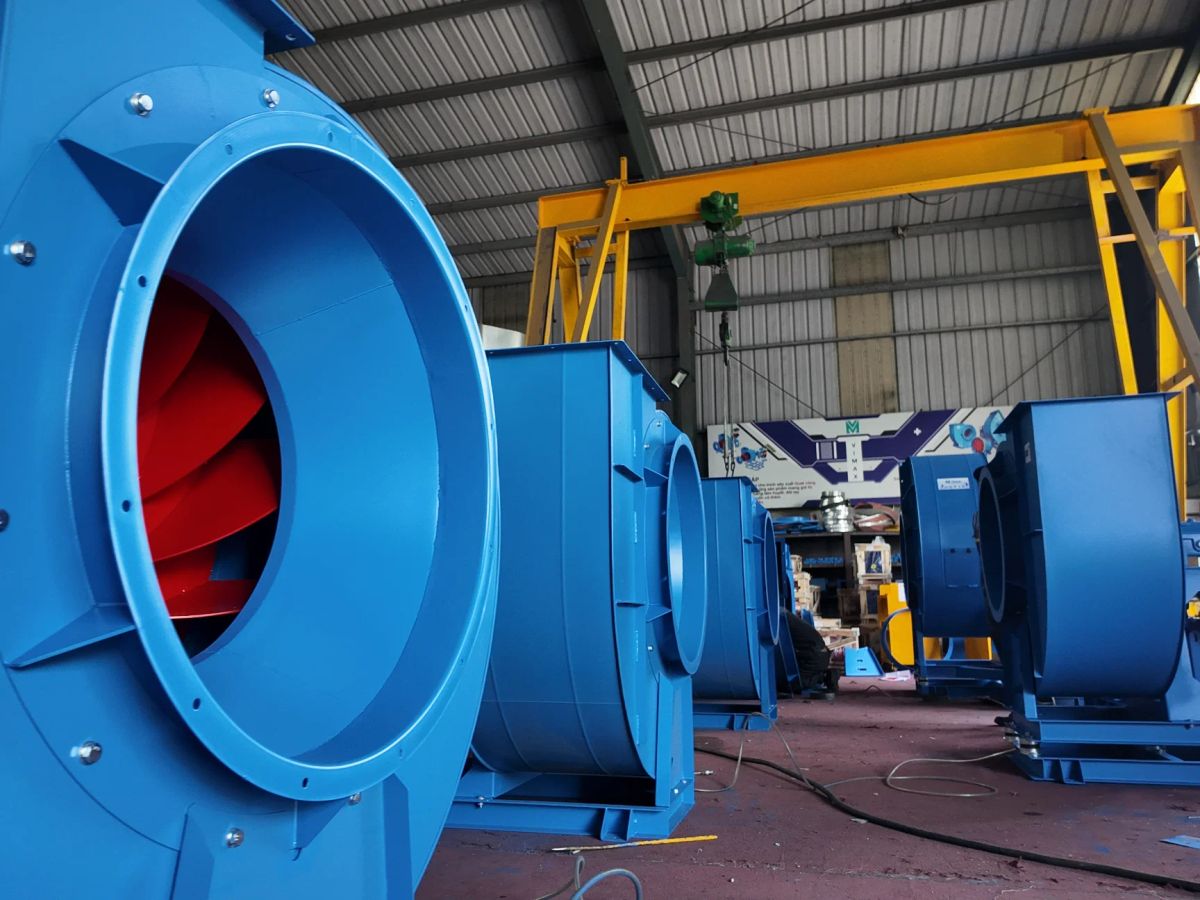
An efficient ductwork layout is the backbone of any successful dust collection system. It directly impacts airflow, system performance, and overall energy consumption. A well-designed system minimizes resistance, ensures adequate capture velocity at each tool, and simplifies maintenance. Let’s explore the key considerations for optimizing your ductwork layout.
Strategizing Main Trunk Line Placement
The main trunk line serves as the primary pathway for dust-laden air to travel from your tools to the dust collector. Its placement is critical for minimizing static pressure loss and maximizing airflow. Consider these factors:
- Central Location: Position the trunk line centrally within your workshop to minimize the distance each branch line needs to travel. This reduces friction and pressure drop.
- Straight Runs: Opt for straight runs whenever possible. Every bend introduces resistance. When bends are unavoidable, use gradual elbows (45-degree or two 45s instead of 90-degree) to reduce turbulence.
- Accessibility: Ensure the trunk line is easily accessible for inspection, cleaning, and future modifications. Consider mounting it overhead or along walls, leaving sufficient clearance.
- Material: Industrial-grade, export-ready ductwork is essential. Vimax can provide durable solutions tailored to your specific needs. Inquire about our project capabilities.
Optimizing Branch Line Connections and Angles
Branch lines connect individual tools to the main trunk line. Their design significantly affects the capture efficiency at each tool. Here’s how to optimize them:
- Smooth Transitions: Use Y-fittings instead of T-fittings for branch line connections. Y-fittings provide a smoother transition, reducing turbulence and pressure loss. T-fittings create a dead end where air collides, increasing resistance.
- Entry Angle: Connect branch lines to the trunk line at a 45-degree angle or less. This helps the airflow from the branch line merge smoothly with the airflow in the trunk line.
- Diameter: Size branch lines appropriately for the airflow requirements of each tool. Undersized branch lines restrict airflow, while oversized lines can reduce capture velocity.
- Blast Gates: Install blast gates on each branch line to shut off airflow to unused tools. This concentrates suction where it’s needed, improving overall system efficiency. Automated blast gates can further enhance dust control.
Minimizing Resistance and Pressure Drop
Resistance and pressure drop are the enemies of an efficient dust collection system. They reduce airflow, increase energy consumption, and compromise dust capture. Here’s how to minimize them:
- Smooth Interior Surfaces: Use ductwork with smooth interior surfaces to reduce friction. Spiral ductwork is generally smoother than snap-lock ductwork.
- Sealed Connections: Ensure all ductwork connections are airtight. Leaks reduce suction and allow dust to escape. Use appropriate sealing methods, such as clamps, tape, or sealant.
- Avoid Obstructions: Keep the ductwork free of obstructions, such as screws, rivets, or debris. These obstructions create turbulence and increase resistance.
- Proper Sizing: Correctly size the entire ductwork system, from the main trunk line to the branch lines, to minimize pressure drop. Consult with Vimax engineers for expert guidance on sizing dust collectors for your specific application.
A well-designed ductwork layout is an investment in the long-term performance and efficiency of your dust collection system. By carefully considering the factors outlined above, you can create a system that effectively removes dust, protects your workers, and improves your bottom line. Contact Vimax today to discuss your dust collection needs and explore our industrial-quality, export-ready solutions. We’re ready to partner with you on your next project.
Implementing Proper Installation Techniques for Longevity
Proper installation is key to ensuring your dust collection system operates efficiently and lasts for years. It’s not just about slapping things together; it’s about precision and care. Think of it as building a high-performance engine – every connection, every mount, every wire matters. Let’s explore the critical aspects of installation that will maximize the lifespan and effectiveness of your system. Vimax stands ready to assist with expert guidance and industrial-grade components for a robust and reliable setup. Consider Vimax as your manufacturing partner for export-ready solutions. Inquire today about your project needs.
Ensuring Secure and Airtight Connections
Airtight connections are the cornerstone of an efficient dust collection system. Leaks not only reduce suction power but also allow harmful dust particles to escape back into your workshop. Here’s how to achieve secure connections:
- Use high-quality clamps and connectors designed for dust collection systems. Avoid using standard hose clamps, as they often don’t provide a tight enough seal.
- Seal all joints with foil tape or sealant specifically made for ductwork. This will prevent air leakage and maintain optimal airflow.
- Double-check every connection after installation to ensure it’s secure and airtight. A simple visual inspection can catch many potential problems.
Mounting Components for Stability and Vibration Control
Proper mounting is essential for preventing premature wear and tear on your dust collector and ductwork. Vibration can loosen connections, damage components, and create excessive noise. Here’s how to ensure stability:
- Mount the dust collector on a solid, level surface. Concrete floors are ideal, but if you’re using a wooden floor, reinforce it to handle the weight and vibration.
- Use vibration-dampening mounts to isolate the dust collector from the building structure. This will reduce noise and prevent vibrations from spreading.
- Secure ductwork to walls or ceilings using sturdy hangers or brackets. Space the supports appropriately to prevent sagging or swaying.
Integrating Electrical and Safety Features
Electrical safety is paramount when installing a dust collection system. Improper wiring can lead to electrical shocks, fires, and equipment damage. Here’s how to integrate electrical and safety features:
- Hire a qualified electrician to handle all electrical connections. Ensure the wiring meets local electrical codes and is properly grounded.
- Install a dedicated circuit breaker for the dust collector to protect against overloads. This will prevent damage to the motor and wiring.
- Incorporate a safety switch or emergency stop button within easy reach. This will allow you to quickly shut down the system in case of an emergency.
Remember, a well-installed dust collection system is a long-term investment in your workshop’s safety and efficiency. Taking the time to do it right will pay dividends in the form of reduced maintenance, improved air quality, and a safer working environment. If you’re unsure about any aspect of the installation process, don’t hesitate to consult with a qualified professional. Consider dust collectors for your workshop to maintain a clean and safe environment. Contact Vimax today to discuss your specific needs and explore partnership opportunities.
Maintaining Your Dust Collection System for Peak Performance
Keeping your dust collection system in top shape is super important for it to work well and last a long time. Neglecting maintenance can lead to reduced efficiency, increased energy consumption, and potential safety hazards. Let’s talk about how to keep things running smoothly.
Establishing a Regular Filter Cleaning Schedule
A clean filter is a happy filter, and a happy filter means a happy dust collection system. How often you need to clean or replace your filters depends on what kind of materials you’re working with and how often you use the system. Here’s a basic schedule to get you started:
- Daily/Weekly: Check filter pressure drop. A significant increase indicates the filter is clogging.
- Monthly: Clean or replace filters as needed. Use compressed air or a vacuum for cleaning, following the manufacturer’s instructions.
- Annually: Conduct a thorough inspection of all filters and replace them, regardless of appearance, to maintain optimal performance.
Different filter types require different cleaning methods. Cartridge filters can often be cleaned with compressed air, while bag filters might need shaking or more intensive cleaning. Always refer to the manufacturer’s guidelines. Vimax can help you determine the best filtration media for your specific needs.
Inspecting Ductwork for Leaks and Blockages
Ductwork is the highway for dust, and any problems here can seriously impact your system’s performance. Leaks reduce suction, and blockages restrict airflow. Here’s what to look for:
- Visual Inspection: Check all ductwork connections for gaps or loose fittings. Use a flashlight to look inside for any visible obstructions.
- Airflow Test: Feel for air leaks around joints and seams while the system is running. You can also use a smoke pencil to detect drafts.
- Pressure Check: Use a manometer to measure static pressure in the ductwork. Compare readings to the manufacturer’s specifications to identify potential blockages.
Addressing leaks promptly is important. Seal any gaps with foil tape or sealant designed for ductwork. Clear blockages by disconnecting sections of ductwork and using a vacuum or compressed air to remove debris. Regular inspections will prevent major problems down the road.
Monitoring System Airflow and Pressure
Keeping an eye on your system’s airflow and pressure is like taking its pulse. It tells you how well it’s performing and if there are any underlying issues. Here’s how to do it:
- Airflow Measurement: Use an anemometer to measure airflow at various points in the system. Compare these readings to the system’s design specifications.
- Pressure Monitoring: Install pressure gauges at key locations to monitor static pressure. A sudden drop in pressure can indicate a leak or blockage.
- Regular Logging: Keep a log of airflow and pressure readings over time. This will help you identify trends and catch problems early.
If you notice a drop in airflow or pressure, investigate immediately. It could be a sign of a clogged filter, a leak in the ductwork, or a problem with the dust collectors themselves. Regular monitoring will help you keep your system running at peak efficiency. Consider Vimax as your partner for industrial-grade dust collection solutions. Inquire today about your project or partnership opportunities.
Integrating Advanced Features for Enhanced Dust Control
Stepping up your dust collection game involves more than just the basics. It’s about incorporating advanced features that can significantly improve efficiency, reduce maintenance, and create a safer, cleaner work environment. Let’s explore some of these options.
Incorporating Automated Blast Gates and Controls
Manual blast gates are fine for simple setups, but for larger or more complex systems, automated blast gates are a game-changer. These gates automatically open and close based on which tool is in use, directing suction only where it’s needed. This does a few things:
- Maximizes suction: By focusing airflow, you get better dust collection at the active tool.
- Saves energy: You’re not wasting power pulling air through unused lines.
- Reduces noise: Less airflow means less noise from the system.
Think about integrating these with your tool’s power switch. When you turn on a machine, the blast gate automatically opens. When you turn it off, the gate closes. It’s all about making things easier and more efficient. Vimax can help you design a system that incorporates these controls seamlessly. Inquire today about dust collection solutions.
Utilizing Cyclonic Separators for Pre-Separation
Cyclonic separators are like the first line of defense in your dust collection system. They sit between your tools and the main collector, using centrifugal force to remove larger particles before they reach the filter. This has some big advantages:
- Extends filter life: Fewer large particles mean your filter doesn’t clog as quickly.
- Maintains airflow: A cleaner filter means better suction over time.
- Easier waste disposal: Separating the bulk waste makes it easier to handle and dispose of.
A cyclonic separator can remove up to 99% of larger debris, significantly reducing the load on your main filter. This not only saves you money on filter replacements but also ensures consistent performance from your dust collection system.
For industrial applications, consider heavy-duty cyclonic separators that can handle high volumes of material. Vimax offers air filtrations that can be integrated into your existing setup.
Implementing Air Quality Monitoring Systems
Knowing what’s in the air is crucial for maintaining a safe and healthy workshop. Air quality monitoring systems can continuously measure the level of dust particles in the air, alerting you to potential problems before they become serious. These systems can track:
- PM2.5 and PM10 particles: These are the fine particles that can be harmful to your lungs.
- Total Volatile Organic Compounds (TVOCs): These are gases released from some materials that can cause health problems.
- Humidity and temperature: These factors can affect dust levels and overall air quality.
Having real-time data allows you to adjust your dust collection system as needed, ensuring that you’re always maintaining a safe air quality level. Consider a system that provides alerts when dust levels exceed acceptable limits. This could trigger an automated increase in fan speed or activate additional filtration measures. For smaller workshops, a compact dust collector might be sufficient, but larger facilities may require a more robust solution. Contact Vimax to discuss your specific needs and how we can help you achieve optimal air quality in your workspace.
Ensuring Safety and Compliance in Your Dust Collection Setup
Safety isn’t just a priority; it’s the foundation of any successful operation. When it comes to dust collection, neglecting safety and compliance can lead to serious consequences, from health hazards to regulatory fines. Let’s explore how to create a safe and compliant dust collection system, especially for industrial applications where export readiness is key. Vimax is committed to partnering with you to achieve these standards.
Adhering to Industry Safety Standards
Navigating the world of safety standards can feel overwhelming, but it’s a must. Staying up-to-date with regulations from OSHA, NFPA, and other relevant bodies is critical. These standards provide guidelines for everything from system design to maintenance procedures. Here’s a quick rundown:
- OSHA (Occupational Safety and Health Administration): Sets and enforces protective workplace safety and health standards.
- NFPA (National Fire Protection Association): Provides codes and standards to minimize the risk of fire and electrical hazards.
- Local Regulations: Always check and comply with local environmental and safety regulations, which may be stricter than national standards.
Understanding and implementing these standards will not only keep your workplace safe but also ensure your operations meet legal requirements. Consider Vimax for systems designed with these standards in mind.
Managing Static Electricity and Fire Hazards
Dust, especially certain types like wood or metal dust, can create a significant fire and explosion risk due to static electricity. Here’s how to manage these hazards:
- Grounding: Ensure all components of your dust collection system, including ductwork and collectors, are properly grounded to dissipate static electricity. This is non-negotiable.
- Bonding: Bond all metal parts together to create an electrically conductive path, preventing static buildup.
- Spark-Resistant Materials: Use spark-resistant materials in areas where dust concentrations are high and ignition sources are possible.
Implementing these measures significantly reduces the risk of fire and explosion. Regular inspections and maintenance are also vital to ensure the continued effectiveness of these safety protocols.
For facilities handling combustible dust, consider Combustible Dust Hazard Training to educate your team on prevention and response strategies.
Providing Adequate Personal Protective Equipment
Even with a top-notch dust collection system, personal protective equipment (PPE) is still a must for workers. Here’s what to consider:
- Respirators: Provide respirators appropriate for the type and concentration of dust present. Fit testing is essential to ensure a proper seal.
- Eye Protection: Safety glasses or goggles should be worn to protect against dust particles.
- Protective Clothing: Coveralls or other protective clothing can prevent dust from accumulating on skin and clothing.
Proper training on the use and maintenance of PPE is just as important as providing the equipment itself. Make sure your team knows how to use PPE correctly and understands its importance. Vimax can help you design a system that minimizes dust exposure, reducing the reliance on PPE. If you’re looking for a partner to help you design and implement a safe and compliant dust collection system, Vimax Global installed systems at many factories and is ready to assist. Inquire today about how we can support your project.
Making sure your dust collection system is safe and follows all the rules is super important. It keeps everyone safe and your business running smoothly. Want to learn more about how we can help you with this? Check out our website!
Conclusion
So, getting your dust collection system set up right is a big deal for any workshop. It helps keep things clean, makes the air better to breathe, and just generally makes the whole place safer. We’ve gone over some key things to think about, like picking the right equipment and getting it all put together properly. Remember, a good system isn’t just about the big dust collector itself; it’s also about the ducts, the filters, and how everything works together. If you’re looking for reliable industrial air solutions, VIMAX GLOBAL is a top choice. We’re a Vietnamese manufacturer known for quality, and we work with international buyers, distributors, and project managers. We can help you find the right dust collection system for your needs. Reach out to us to see how we can work together.
Frequently Asked Questions
Why is a good dust collection system so important for my workshop?
A good dust collection system is super important for several reasons. First, it keeps your workshop air clean, which is healthier for you and your workers. Breathing in dust can cause serious health problems. Second, it protects your tools from getting clogged up with dust, making them last longer and work better. Finally, a clean workshop is a safer workshop, reducing the risk of slips and fire hazards. VIMAX GLOBAL understands these needs and builds systems that ensure a safer, more productive work environment.
How do I know what kind of dust collection system my workshop needs?
To figure out what kind of system you need, start by thinking about what you’re doing in your workshop. Are you cutting a lot of wood, grinding metal, or doing something else? How much dust does that create? Also, look at your workshop’s size and where your tools are. This helps decide how big your dust collector needs to be and how the pipes should run. VIMAX GLOBAL can help you assess these details to recommend the perfect solution for your specific needs.
What are the main types of dust collectors, and which one is best for me?
There are different types, but the main ones are single-stage and two-stage collectors. Single-stage systems are simpler and good for smaller workshops. Two-stage systems, often with a cyclone, separate bigger dust pieces before they even reach the main filter, which makes the filter last longer and the system work more efficiently. VIMAX GLOBAL offers a range of high-quality dust collectors, including advanced cyclone systems, designed for various industrial applications.
How do I make sure the pipes (ductwork) in my system work well?
Properly sized pipes (ductwork) are key! If the pipes are too small, the air won’t move fast enough to pick up all the dust. If they’re too big, the suction might not be strong enough. Also, try to make the pipes as straight as possible with gentle bends, as sharp turns slow down the airflow. VIMAX GLOBAL specializes in designing and manufacturing efficient air systems, ensuring optimal ductwork for maximum dust capture.
What’s the best way to keep my dust collection system working perfectly?
Keeping your system in top shape means regularly cleaning or replacing the filters. This is probably the most important thing. You should also check the pipes for any leaks or clogs and make sure the motor is running smoothly. A well-maintained system from VIMAX GLOBAL will continue to provide excellent dust control for years, protecting your investment and your people.
Are there any safety concerns I should know about when using a dust collection system?
Absolutely! Dust, especially fine dust, can be explosive, and static electricity can cause sparks. It’s super important to use proper grounding for your system and make sure all connections are tight to prevent sparks. Also, always wear protective gear like masks and safety glasses. VIMAX GLOBAL designs its industrial air solutions with safety as a top priority, adhering to international standards to protect your operations and personnel.