


Ever wonder how factories keep their air clean? It’s not magic, it’s all about how dust collection system work. These systems are super important for keeping workplaces safe and healthy, getting rid of tiny bits of stuff floating around. We’re going to break down what makes them tick, from the big fans to the tiny filters, so you can see how they do their job.
Key Takeaways
- Dust collectors use airflow to grab airborne particles, keeping the air clean in work areas.
- Filters are a big part of how these systems work, catching tiny dust bits and making sure only clean air goes back into the space.
- Picking the right fan and setting up the ducts correctly helps the system run well and saves energy.
- New filter types and cleaning methods mean dust collectors can handle even really fine dust.
- Regular check-ups and changing filters are a must to keep your dust collection system working for a long time.
Understanding the Core Function of Dust Collection Systems
Defining Industrial Dust Collection
So, what’s the big deal with industrial dust collection? Basically, it’s about keeping the air clean in factories and workshops. We’re talking about systems that suck up all the dust, fumes, and other nasty particles floating around. Think of it as a giant vacuum cleaner for industry. These systems are not just about cleanliness; they’re about safety, too. Breathing in too much dust can cause some serious health problems, and some dusts can even explode. That’s why having a good dust collection system is super important. Vimax understands these challenges and is ready to partner with you to create solutions that meet the strictest safety and performance standards. Let’s talk about your project.
The Critical Role of Airflow Dynamics
Airflow is everything in a dust collection system. You need to move enough air to capture the dust at its source, but you also don’t want to waste energy. It’s a balancing act. The design of the system, from the hoods to the ductwork, plays a huge role in how well it works. If the airflow isn’t right, dust will escape, and the system won’t be effective. We’re talking about things like air velocity, static pressure, and the shape of the ducts. It can get pretty technical, but the bottom line is that proper airflow is essential for effective dust control. Vimax has years of experience optimizing airflow in industrial settings. Contact us to learn more about how we can help you achieve optimal performance.
Key Components of a Comprehensive System
A dust collection system is more than just a fan and a filter. It’s a whole bunch of parts working together. Here’s a quick rundown:
- Hoods: These capture the dust at the source.
- Ductwork: This carries the dusty air to the collector.
- Filter: This separates the dust from the air.
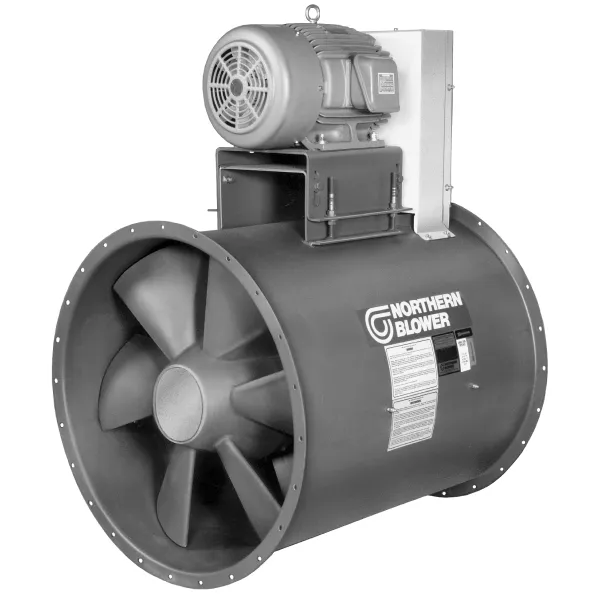
- Fan: This creates the airflow.
- Dust Disposal: This is how you get rid of the collected dust.
Each of these components needs to be carefully selected and designed to work together efficiently. A weak link in any of these areas can compromise the entire system. Vimax provides high-quality components and integrated systems designed for demanding industrial environments. Consider Vimax as your manufacturing partner for export-ready solutions. Inquire today about our comprehensive dust collection solutions.
Properly designed and maintained dust collection systems are not just an expense; they are an investment in employee health, safety, and productivity. They also help companies comply with environmental regulations and avoid costly fines.
The Mechanics of Particulate Capture
This section looks at how dust collection systems actually grab and hold onto those pesky particles. It’s not just about sucking air; it’s about doing it efficiently and effectively to keep your workplace clean and safe. We’ll break down the key stages, from the initial intake to the final disposal of collected dust. If you’re looking to improve your current system or design a new one, understanding these mechanics is a must.
Inlet Design and Initial Separation
The inlet is where the magic starts. The design of the inlet plays a big role in how well the system captures dust right from the source. Think about it: a poorly designed inlet can let a lot of dust escape, making the whole system less effective. Things like the shape, size, and placement of the inlet all matter. Some systems use hoods, while others use slots or even custom-designed openings to match the specific equipment they’re serving. The goal is to create enough suction to pull the dust into the system without disrupting the surrounding airflow too much.
Initial separation is often the first step in removing larger particles before they reach the filters. This can be done using things like baffles, cyclones, or settling chambers. These methods use gravity or changes in airflow to separate out the heavier particles, which helps to extend the life of the filters and reduce the overall load on the system. Vimax can help you design an inlet and initial separation system that is perfect for your needs. Consider our dust collectors for your project.
Filtration Media and Efficiency
This is where the real work happens. The filtration media is what actually traps the dust particles, preventing them from being released back into the air. There are many different types of filter media available, each with its own advantages and disadvantages. Some common options include:
- Fabric filters: These are often made of woven or non-woven materials and are good for capturing a wide range of particle sizes.
- Cartridge filters: These filters offer a high surface area in a compact design, making them a good choice for applications where space is limited.
- HEPA filters: These filters are designed to capture very small particles, making them suitable for applications where air quality is critical.
The efficiency of the filter media is measured by its ability to capture particles of a certain size. For example, a HEPA filter must capture at least 99.97% of particles that are 0.3 microns in diameter. Choosing the right filter media is important for meeting air quality standards and protecting the health of workers. Vimax offers a variety of air filtration systems to meet your needs.
Dust Discharge and Collection Methods
Once the dust has been captured by the filters, it needs to be removed and collected. There are several different methods for doing this, each with its own pros and cons. Here are a few common options:
- Manual removal: This involves physically removing the dust from the filters, usually by shaking or brushing them. This is a simple and inexpensive method, but it can be labor-intensive and may not be suitable for all types of dust.
- Automatic cleaning: This involves using a mechanical system to clean the filters on a regular basis. This can be done using things like pulse-jet cleaning, reverse air cleaning, or vibratory cleaning. Automatic cleaning systems can help to extend the life of the filters and reduce the amount of maintenance required.
- Disposal: The collected dust needs to be disposed of in a safe and responsible manner. This may involve bagging the dust, placing it in drums, or transporting it to a landfill. It’s important to follow all applicable regulations for dust disposal.
Selecting the right dust discharge and collection method depends on the type and amount of dust being collected, as well as the specific requirements of the application. Vimax can help you choose the best method for your needs, ensuring efficient and safe dust removal. We are ready to be your manufacturing partner. Inquire today about cooling ventilations and other solutions.
Optimizing System Performance and Efficiency
Fan Selection and Air Volume Requirements
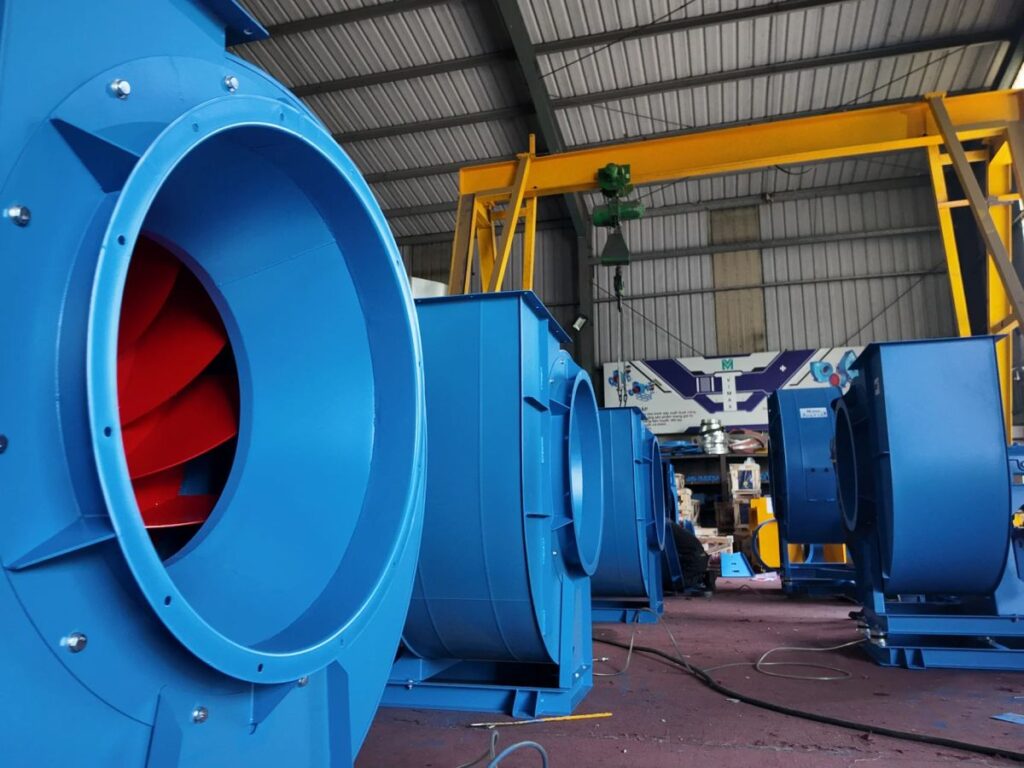
Picking the right fan is super important for how well your dust collection system works. You need to think about the amount of air you need to move (measured in CFM, or cubic feet per minute) and the static pressure the fan needs to overcome. Too little airflow, and you won’t capture all the dust. Too much, and you’re wasting energy and possibly damaging your filters. Centrifugal fans are often used because they can handle high static pressure, which is common in dust collection systems. Axial fans are better for moving large volumes of air with lower pressure. It’s a balancing act, and getting it right makes a big difference. Vimax can help you select the right cooling ventilations for your specific needs.
Ductwork Design for Optimal Flow
The way you design your ductwork has a huge impact on airflow and system efficiency. Sharp bends and long runs increase resistance, which means your fan has to work harder. Smooth, gradual transitions and properly sized ducts are key. Also, think about the material of the ductwork. Smooth interiors reduce friction. Make sure your design minimizes pressure drops and keeps the air velocity high enough to prevent dust from settling in the ducts. If dust settles, it can clog the system and reduce its effectiveness. Consider these points when designing your dust collectors.
Energy Consumption and Operational Costs
Running a dust collection system can use a lot of energy, so it’s important to think about energy consumption and operational costs. Using high-efficiency motors and variable frequency drives (VFDs) can help reduce energy use. VFDs allow you to adjust the fan speed to match the actual dust load, instead of running at full speed all the time. Regular maintenance, like cleaning filters and checking for leaks, also helps keep the system running efficiently. By reducing energy consumption, you can lower your operational costs and make your system more sustainable. Vimax is ready to partner with you on your next project. Inquire today!
Advanced Filtration Technologies
Pulse-Jet Cleaning Mechanisms
Pulse-jet cleaning is a pretty neat way to keep filters working well. Basically, it uses short bursts of compressed air to knock dust off the filter media. This happens automatically, so you don’t have to shut down the system for cleaning. This keeps the airflow consistent and extends the life of the filters. It’s especially useful in industries where there’s a lot of dust, like woodworking or mining. The timing and intensity of the air pulses can be adjusted to match the specific type of dust being collected. Vimax can help you optimize these settings for your specific needs.
Cartridge Filter Advantages
Cartridge filters are another popular choice for dust collection, and they have some clear advantages. They’re compact, easy to replace, and offer a large surface area for filtration. This means they can handle high dust loads without losing efficiency. Plus, they come in a variety of materials to handle different types of dust, including some that are resistant to chemicals or high temperatures. Here’s a quick look at some of the benefits:
- High filtration efficiency
- Easy maintenance and replacement
- Compact design
- Suitable for various dust types
If you’re looking for a reliable and easy-to-maintain filtration solution, cartridge filters might be the way to go. Consider dust collectors from Vimax for your industrial needs.
Specialized Media for Fine Particulates
When dealing with really fine dust particles, standard filters might not cut it. That’s where specialized media comes in. These materials are designed with a tighter weave or a special coating to capture even the smallest particles. Some examples include:
- HEPA filters: Capture at least 99.97% of particles 0.3 microns in diameter.
- ULPA filters: Capture at least 99.999% of particles 0.12 microns in diameter.
- Membrane filters: Offer a very fine pore size for capturing ultrafine particles.
Choosing the right media is important for protecting workers’ health and preventing equipment damage. It also helps you meet environmental regulations. Vimax works with businesses to ensure compliance with environmental regulations.
If you’re dealing with hazardous or very fine dust, it’s worth looking into these specialized options. Get in touch to discuss your project or explore partnership opportunities with Vimax.
Applications Across Diverse Industries
Woodworking and Manufacturing Environments
Dust collection systems are super important in woodworking and manufacturing. Think about all the sawdust and metal shavings flying around – it’s not just messy, it’s a health hazard and can mess with equipment. Effective dust collection keeps the air clean, protects workers, and helps machines run smoothly.
- Improved air quality for worker safety.
- Reduced risk of equipment damage from dust buildup.
- Compliance with safety regulations.
We’ve seen how a good system can really boost productivity and reduce downtime. If you’re looking to upgrade your facility, get in touch to discuss your project requirements.
Pharmaceutical and Food Processing
In these industries, cleanliness is everything. Dust collection isn’t just about keeping things tidy; it’s about preventing contamination and ensuring product quality. You can’t have rogue particles messing with medication or food!
- Maintaining sterile environments.
- Preventing cross-contamination of products.
- Ensuring compliance with strict hygiene standards.
A well-designed dust collection system is a non-negotiable investment for pharmaceutical and food processing plants. It directly impacts product integrity and consumer safety.
Consider Vimax as your manufacturing partner for air filtration systems that meet the stringent demands of these sectors. Let’s talk about how we can help you maintain the highest standards.
Mining and Construction Site Solutions
Mining and construction sites are notorious for dust. It’s everywhere, all the time. Dust collection systems here are heavy-duty, designed to handle large volumes of really tough particles. They protect workers from respiratory issues and keep the site running efficiently.
- Controlling silica dust exposure.
- Reducing visibility issues on site.
- Minimizing environmental impact.
| Feature | Benefit |
|---|---|
| High-Capacity | Handles large dust volumes efficiently. |
| Robust Design | Withstands harsh site conditions. |
| Mobile Options | Provides flexibility for changing sites. |
For Ngoc Te Factory in Hung Yen, Vimax Global provided exhaust systems that addressed these challenges head-on. If you’re facing similar issues, reach out to explore our solutions.
Maintenance Protocols for Longevity
Keeping your dust collection system in top shape is key for safety and keeping costs down. Regular maintenance prevents big problems and keeps your system running efficiently for years. Let’s look at some important steps.
Routine Inspection and Filter Replacement
Regular checks are a must. Look for wear and tear, leaks, and blockages. Filters are especially important; replace them as needed to keep the system working well. Here’s a simple schedule to follow:
- Daily: Check pressure gauges and airflow.
- Weekly: Inspect ductwork for leaks or damage.
- Monthly: Examine filters and dust collection containers.
- Annually: Conduct a thorough system-wide inspection.
Proper filter maintenance is important. Dirty filters reduce airflow and increase energy use. Vimax offers air filtrations that are easy to maintain and built to last. Consider setting up a recurring order for filters to ensure timely replacements.
Troubleshooting Common Operational Issues
Even with regular maintenance, problems can pop up. Here are some common issues and how to handle them:
- Reduced Airflow: Check for clogged filters or blocked ductwork.
- Excessive Noise: Inspect fans and motors for wear or damage.
- Dust Leaks: Seal any leaks in ductwork or collection containers.
When troubleshooting, always follow safety procedures. Turn off the system and disconnect power before starting any repairs. If you’re not comfortable doing the work yourself, contact a qualified technician.
Preventative Measures for System Reliability
Preventative maintenance is better than fixing problems after they happen. Here are some steps you can take to keep your system running smoothly:
- Keep the area around the system clean and free of debris.
- Use the right filters for the type of dust you’re collecting.
- Monitor system performance and address any issues promptly.
Consider a proactive dust collector maintenance programs to catch issues early. Vimax can help you set up a maintenance plan that fits your needs. Contact us today to discuss your project or explore partnership opportunities. We’re here to help you keep your operations running smoothly with our industrial-quality, export-ready solutions.
Selecting the Right Dust Collection System
Choosing the correct dust collection system is a big deal. It impacts everything from worker safety to product quality and even your compliance with regulations. It’s not just about buying a piece of equipment; it’s about investing in a solution that fits your specific needs and will last for years to come. Let’s break down the key considerations.
Assessing Industrial Requirements
First, you need to really understand what you’re dealing with. What kind of dust are you collecting? How much of it is there? What’s the particle size? All of these things matter. A system designed for sawdust won’t work well for fine metal particles, for example. Think about the volume of air you need to move, too. A small woodshop dust collection setup will have very different needs than a large manufacturing plant. Consider these points:
- Identify the types of dust generated (e.g., wood, metal, chemical).
- Determine the volume of dust produced per hour or day.
- Analyze the particle size distribution of the dust.
Also, think about your future needs. Will your production increase? Will you be working with new materials? It’s better to get a system that can handle more than you currently need than to have to replace it in a few years. Vimax can help you analyze your current and future needs to make sure you get the right system.
Compliance with Environmental Regulations
There are rules about how much dust you can release into the air, both inside your facility and outside. These regulations vary depending on where you are and what kind of dust you’re dealing with. Make sure the system you choose meets all applicable regulations. Ignoring these rules can lead to fines and other problems. A good dust collection system will help you stay in compliance and protect the environment. We understand the importance of meeting environmental standards and can help you select a system that does just that. Consider the following:
- Research local, state, and federal air quality regulations.
- Ensure the selected system meets or exceeds required filtration efficiencies.
- Implement a monitoring plan to verify ongoing compliance.
Partnering with Expert Manufacturers
Choosing a manufacturer is as important as choosing the system itself. You want a company with a good reputation, experience in your industry, and a commitment to quality. Look for a manufacturer that offers support and service after the sale. Vimax is a leading manufacturer of industrial dust collectors, and we’re ready to be your partner. We offer a wide range of systems and can customize a solution to meet your specific needs. We also provide ongoing support and service to keep your system running smoothly. We’re also export-ready, so no matter where you are, we can help. Here’s what to look for in a manufacturer:
- Proven track record in designing and manufacturing dust collection systems.
- Ability to provide custom solutions tailored to specific industrial needs.
- Comprehensive after-sales support, including maintenance and troubleshooting.
Investing in the right dust collection system is a strategic decision that impacts your entire operation. By carefully assessing your needs, understanding regulatory requirements, and partnering with a trusted manufacturer like Vimax, you can ensure a safe, efficient, and compliant work environment. Contact us today to discuss your project and explore how Vimax can help you achieve your goals.
Picking the right dust collection system is super important for keeping your workspace clean and safe. It’s not just about grabbing any old machine; you need one that fits your specific needs. A good system helps you breathe easier and keeps your equipment running smoothly. To learn more about how our solutions can help you, check out our website.
Conclusion
So, we’ve gone through how dust collection systems work, from the basic parts to how they keep air clean. It’s pretty clear these systems are a big deal for keeping workplaces safe and running smoothly. They help protect people and equipment, which is something every business wants. If you’re looking into getting a dust collection system, or any industrial air solution, VIMAX GLOBAL is a good place to start. We make these kinds of systems and other air products, and we work with businesses all over the world. We’re ready to help you find the right solution for your needs.
Frequently Asked Questions
What exactly is a dust collection system?
A dust collection system is like a giant vacuum cleaner for factories and workshops. It sucks up dust and tiny bits from the air, making the workspace cleaner and safer for everyone. VIMAX GLOBAL makes top-notch systems that are great for keeping your facility clean and your workers healthy.
Why do businesses need dust collection systems?
These systems are super important because they protect workers from breathing in harmful dust, which can cause serious health problems. They also keep machines running smoothly by preventing dust from gumming them up, and they help meet environmental rules. Choosing a reliable partner like VIMAX GLOBAL ensures you get a system that performs well and keeps your operations compliant.
What are the main parts of a dust collector?
A typical system has a fan to pull air, ducts to carry the dusty air, a filter to catch the dust, and a way to collect the trapped dust. VIMAX GLOBAL designs and builds all these parts to work together perfectly for maximum efficiency.
How do I know which dust collection system is right for my business?
The right system depends on what kind of dust you have, how much dust there is, and how big your space is. It’s best to talk to experts who can help you pick the perfect fit. VIMAX GLOBAL’s team can guide you through this process to ensure you get the ideal solution for your specific needs.
Can these systems be used in different types of industries?
Yes, absolutely! Dust collection systems are used in many different places, like woodworking shops, pharmaceutical factories, food processing plants, and even construction sites. If there’s dust, there’s a need for a dust collector. VIMAX GLOBAL provides solutions for a wide range of industries, showing our versatility and expertise.
How do I keep my dust collection system in good working order?
To keep your system working well for a long time, you need to regularly check it, clean or replace the filters, and make sure all the parts are in good shape. VIMAX GLOBAL emphasizes the importance of proper maintenance to ensure the longevity and peak performance of our systems, offering durable products that last.