


Ever wondered if that big dust collector sitting in your workshop could pull double duty as a regular vacuum? It’s a fair question, especially if you’re looking to streamline your equipment. We’re going to break down what makes dust collectors tick and see if they can handle everyday vacuuming tasks. Think of it like this: can a heavy-duty truck do the job of a car? Sometimes, maybe, but there are things to consider. Let’s find out if a dust collector can be used as a vacuum.
Key Takeaways
- Dust collectors are built to capture fine particles and large debris, focusing on air quality, while vacuums are designed for general cleaning and portability.
- While both use airflow, dust collectors typically have much higher airflow volumes and specialized filtration for fine dust, which might be overkill or unsuitable for typical vacuuming.
- Using a dust collector as a vacuum may require modifications, such as different hoses or attachments, and the careful selection of filter media to prevent clogging or damage.
- Safety is important; always follow guidelines when using equipment for purposes other than its primary design, especially with electrical tools.
- For specific industrial needs, VIMAX GLOBAL offers tailored air management solutions, including custom dust collection and ventilation systems, ensuring optimal performance and compliance.
Understanding The Core Functionality Of Dust Collectors
Dust collectors and vacuum cleaners both move air, but they do it for very different reasons and with different designs. Understanding these differences is crucial to determining whether one can be substituted for the other in an industrial setting. At VIMAX, we engineer robust air management systems, and we know that the right tool for the job makes all the difference.

Understanding The Core Functionality Of Dust Collectors
Distinguishing Between Collection And Vacuuming
Think of a dust collector as a specialized air mover designed to capture airborne particles at their source. Its primary goal is to prevent dust from spreading into the work environment. A vacuum cleaner, on the other hand, is typically used for cleaning up existing messes on surfaces. While both involve suction, the scale, efficiency, and intended application are vastly different. Dust collectors are built for continuous operation and high-volume dust capture, often from machinery like saws or sanders. This focus on source capture and large-scale particle management is what sets them apart from the more general-purpose cleaning function of a vacuum. We engineer solutions for workshop dust collection that prioritize this source capture.
Key Components And Their Roles
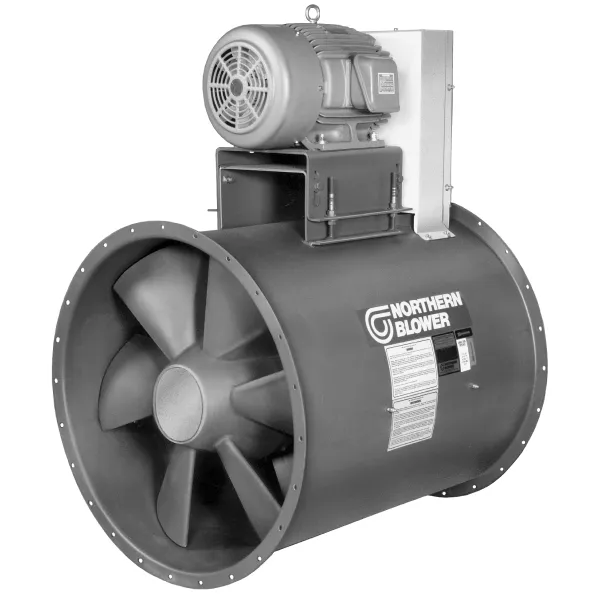
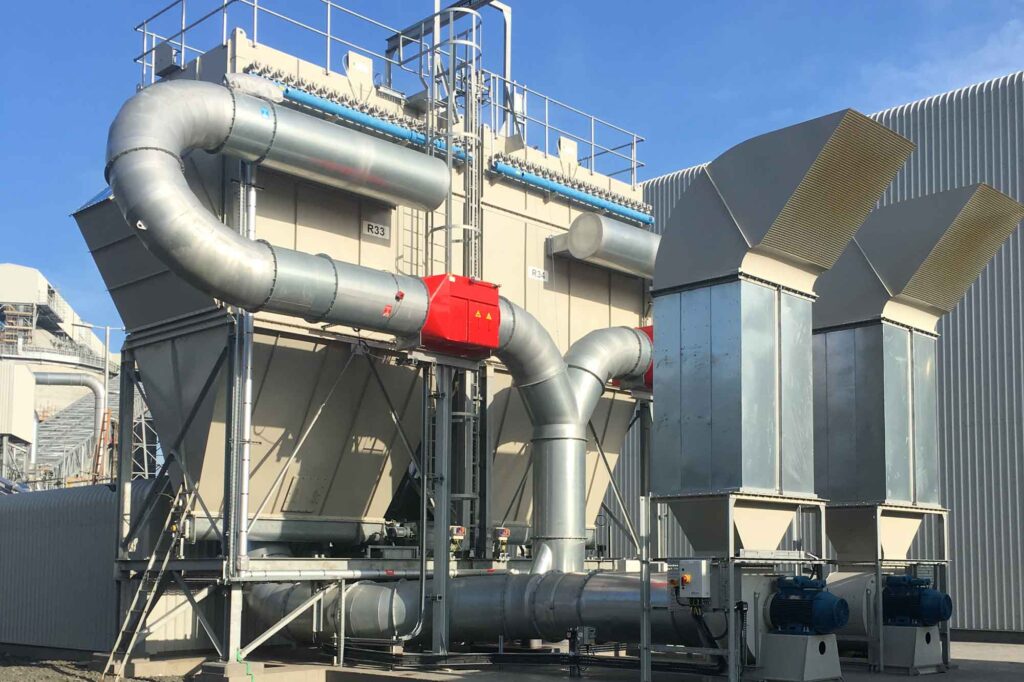
Industrial dust collectors are complex systems with several critical components working in concert. The motor and fan assembly is the heart, generating the airflow. This air, laden with dust, is then directed into a collection bin or bag. The filtration system, often using large, specialized filter bags or cartridges, is crucial for separating the dust from the air before it’s exhausted. The housing and ductwork are designed to efficiently channel the air and dust, minimizing leaks and maximizing airflow. Each part is built for durability and performance in demanding environments, reflecting our commitment to industrial quality.
Airflow Dynamics In Dust Collection Systems
The airflow in a dust collection system is a carefully managed process. Air is drawn into the system, carrying dust particles with it. As the air moves through the collector, its velocity changes, and larger particles tend to drop out due to gravity or are directed into the collection bin. The air then passes through the filtration media, where fine particles are trapped. The efficiency of this process relies heavily on maintaining consistent airflow and pressure, often measured in Cubic Feet per Minute (CFM) and static pressure. This controlled airflow is what allows dust collectors to effectively capture fine dust at the source, a capability that differs significantly from the more localized suction of a typical vacuum. Our engineering approach focuses on optimizing these airflow dynamics for peak performance in any application.
Understanding these fundamental principles of airflow and component function is the first step in evaluating how a dust collector might be adapted for tasks traditionally handled by vacuums. It’s about recognizing the inherent design differences and the potential for modification.
As a manufacturing partner with global reach, VIMAX GLOBAL specializes in creating air management solutions tailored to your specific industrial needs. If you’re exploring options for your facility, we encourage you to inquire about your project or discuss potential partnerships with our engineering team.
Evaluating The Suitability For Vacuuming Applications
When considering if a dust collector can double as a vacuum, several key performance metrics need careful evaluation. It’s not simply about moving air; it’s about the quality and purpose of that air movement. For industrial applications, understanding these differences is vital for making informed decisions about equipment selection and operational efficiency. We need to look at how well these systems capture fine particles, the strength of their suction, and how robust they are for handling various materials.
Filtration Efficiency And Particle Capture
Dust collectors are engineered with robust filtration systems, often employing multi-stage filtration to capture very fine particulate matter, down to sub-micron levels. This is a significant differentiator from standard vacuums, which typically have less sophisticated filters. For businesses that need to maintain extremely clean environments or comply with strict air quality regulations, the superior filtration of a dust collector is a major advantage. This level of capture is critical in industries like pharmaceuticals, electronics manufacturing, and fine woodworking, where even microscopic dust can cause significant issues. If your process generates fine dust, a dust collector’s filtration capabilities are paramount.

Filtration Efficiency And Particle Capture
Suction Power And Airflow Volume
While both vacuums and dust collectors move air, they do so with different objectives and specifications. Dust collectors are designed for high airflow volume to efficiently move large quantities of dust and debris from a source point to a collection bin. This high volume is what allows them to handle the dust generated by heavy machinery. Suction power, often measured in inches of water lift or static pressure, is also a factor, but the sheer volume of air moved is often the primary design consideration for dust collectors. For tasks requiring the removal of large volumes of material quickly, the airflow dynamics of a dust collector are generally more suited than a typical shop vacuum, which prioritizes concentrated suction for smaller, more localized cleaning tasks. We can help you find the right balance for your specific needs.
Durability And Material Handling Capabilities
Industrial dust collectors are built with durability in mind, often constructed from heavy-gauge steel and designed to withstand continuous operation in demanding environments. They are typically equipped to handle abrasive materials, large volumes of debris, and the rigors of industrial use. This contrasts with many consumer-grade or even professional vacuums, which may be made from lighter plastics and are not intended for the same level of heavy-duty material handling. When evaluating a dust collector for vacuuming tasks, its robust construction and ability to manage the type and volume of material you expect to collect are key considerations. If you’re looking for equipment that can handle tough jobs day in and day out, the industrial quality of a dust collector is a significant benefit. Partnering with a manufacturer like VIMAX ensures you get systems built for the long haul. We invite you to inquire about our solutions for your specific material handling challenges.
The primary distinction lies in the design intent: dust collectors focus on efficient, high-volume dust removal and containment, while vacuums are geared towards more targeted, often finer, cleaning. This difference in purpose dictates the engineering of their components, from motor design to filtration media and collection vessel capacity.
Adapting Dust Collectors For Vacuuming Tasks
While a dust collector’s primary function is to capture airborne particles, its robust design and powerful airflow can be adapted for vacuuming applications. This adaptation requires careful consideration of specific components and potential modifications to align with the demands of direct material pickup. As a manufacturing partner with extensive experience in industrial air solutions, VIMAX GLOBAL understands the nuances of optimizing equipment for diverse tasks. We engineer systems that are not only compliant with export standards but also built for the rigorous demands of industrial environments.
Modifications For Enhanced Suction
To effectively use a dust collector as a vacuum, modifications can significantly improve its performance for direct material pickup. These adjustments often focus on increasing the negative pressure or airflow velocity at the point of contact. For instance, optimizing the impeller design or adjusting fan speed can boost suction. Additionally, ensuring all seals are airtight is critical to prevent any loss of vacuum. VIMAX GLOBAL specializes in custom engineering, allowing us to tailor these modifications to your specific operational needs, ensuring peak performance for any task.
Appropriate Filtration Media Selection
The choice of filtration media is paramount when adapting a dust collector for vacuuming. Standard dust collection filters are designed for fine airborne particles, but vacuuming often involves larger debris and potentially wet materials. Selecting filters with a higher MERV rating or specific media like HEPA filters can improve capture efficiency for finer dusts encountered during vacuuming. For wet applications, specialized wet filters or cyclonic pre-separators are necessary to protect the motor and main filters. We can guide you in selecting the optimal filtration strategy for your intended use, ensuring both equipment longevity and effective cleanup. Explore our range of industrial air filtration solutions.
Hose And Attachment Considerations
The effectiveness of a dust collector as a vacuum is also heavily influenced by the hoses and attachments used. Standard dust collection hoses are often larger in diameter and less flexible than those found on typical shop vacuums. For vacuuming tasks, a smaller diameter, more flexible hose can improve maneuverability and increase airflow velocity, leading to stronger suction at the nozzle. The selection of appropriate vacuum attachments – such as crevice tools, floor brushes, and extension wands – is also vital for efficient debris collection. VIMAX GLOBAL can assist in sourcing or designing specialized hose and attachment kits that integrate seamlessly with your dust collection system, transforming it into a versatile vacuum. If you’re looking for robust dust collection systems, consider VIMAX as your manufacturing partner.
Adapting industrial equipment requires a deep understanding of its core capabilities and limitations. By focusing on targeted modifications and component selection, a dust collector can be a surprisingly effective tool for vacuuming tasks, offering a cost-effective alternative to dedicated vacuum units when properly configured.
Operational Considerations And Best Practices
When repurposing a dust collector for vacuuming tasks, careful attention to operational details is paramount for safety, efficiency, and longevity. These systems are engineered for specific functions, and adapting them requires a clear understanding of their capabilities and limitations. As a manufacturing partner, VIMAX GLOBAL emphasizes robust operational protocols to ensure peak performance and user safety.
Safety Protocols For Dual Use
Safety is the first consideration. Always ensure the dust collector is unplugged before making any adjustments or changing filters. If the unit is not designed for fine dust or hazardous materials, using it as a vacuum for such substances can pose significant risks, including fire or explosion hazards. Verify that the collection vessel is rated for the materials being vacuumed and that all electrical components are properly sealed and grounded. Never operate a dust collector as a vacuum without confirming its suitability for the specific application and materials.
Maintenance Schedules For Optimal Performance
Consistent maintenance is key to keeping your adapted dust collector running smoothly. This includes:
- Filter Cleaning/Replacement: Regularly inspect and clean or replace filters according to the manufacturer’s recommendations, or more frequently if vacuuming fine dust. Clogged filters drastically reduce suction power and can strain the motor.
- Hose and Attachment Inspection: Check hoses and attachments for blockages, tears, or wear. A clear, intact hose system is vital for maintaining airflow.
- Motor and Electrical Checks: Periodically inspect the motor housing for dust buildup and ensure all electrical connections are secure. Listen for any unusual noises from the motor, which could indicate a problem.
Energy Efficiency In Operation
Optimizing energy use involves understanding how different operational parameters affect consumption. Running the dust collector at its intended capacity, avoiding unnecessary long run times, and ensuring filters are clean can all contribute to better energy efficiency. For businesses looking to integrate advanced air management solutions, VIMAX GLOBAL can help engineer systems that balance powerful performance with reduced energy footprints. We invite you to inquire about projects where efficiency and power are key requirements.
Adapting industrial equipment requires a thorough risk assessment. While a dust collector can perform vacuuming functions, it’s crucial to match the equipment’s design specifications to the task at hand. This proactive approach prevents damage to the equipment and, more importantly, safeguards personnel and the work environment. Partnering with experienced manufacturers like VIMAX ensures you receive guidance on best practices for any application.
As a trusted manufacturing partner, VIMAX GLOBAL is committed to providing industrial-quality solutions that meet global standards. We encourage you to reach out to discuss your specific air management needs or explore potential partnerships to achieve optimal operational outcomes. Learn more about our woodworking dust collectors and how they can be adapted for various tasks.
Industry Applications And Case Studies
Woodworking and Fabrication Environments
In woodworking and fabrication shops, managing fine dust particles like sawdust and metal shavings is paramount for both worker safety and product quality. While a standard vacuum cleaner might struggle with the volume and type of debris, a properly configured dust collector can effectively handle these tasks. For instance, a dust collector with a robust filtration system, such as a HEPA filter, can capture even microscopic particles that would otherwise become airborne. Its higher airflow volume compared to typical vacuums allows for efficient cleanup of large floor areas and machinery.

Woodworking and Fabrication Environments
VIMAX GLOBAL’s industrial-grade dust collectors are engineered for the demanding conditions found in these environments, offering superior durability and material handling capabilities. Our systems are designed for export, meeting international standards for safety and performance. We understand that each fabrication process has unique requirements, and we work closely with clients to tailor solutions. For example, a custom-designed system might integrate directly with CNC machines to capture dust at the source, significantly improving air quality and reducing the need for manual cleanup. We invite you to inquire about how our solutions can benefit your specific woodworking or fabrication operation.
Manufacturing and Production Lines
Manufacturing settings often generate a wide range of particulate matter, from fine powders in pharmaceutical production to metal dust in machining operations. The ability of a dust collector to handle large volumes of air and diverse particle sizes makes it a suitable candidate for general cleanup and maintenance tasks on production lines. The key lies in selecting the appropriate filtration media and ensuring the system’s capacity matches the dust generation rate.
Consider a scenario in a metal fabrication plant where fine metal dust accumulates on floors and equipment. A dust collector, acting as a powerful vacuum, can efficiently remove this hazardous material, preventing it from contaminating products or posing respiratory risks. Wet dust collection systems are also employed in certain manufacturing processes, particularly where explosive dusts are a concern, using a water bath to suppress dust and prevent ignition. VIMAX GLOBAL provides solutions that are built to last, with export readiness that ensures compliance across global markets. We are a manufacturing partner committed to optimizing your production environment. Let’s discuss your manufacturing air management needs.
Construction Site Cleanup
Construction sites are notorious for generating significant amounts of dust, including concrete dust, drywall particles, and demolition debris. While not its primary function, a dust collector can be adapted for vacuuming tasks on a construction site, especially for post-demolition or renovation cleanup. The industrial build quality of our dust collectors ensures they can withstand the harsh conditions typical of construction environments.
For example, after a concrete grinding operation, a dust collector can be used with specialized attachments to vacuum the resulting fine silica dust. This is far more effective than a standard shop vacuum, which might quickly clog or fail. The higher air volume capacity allows for quicker cleanup of larger areas. Our systems are designed with export in mind, making them suitable for international projects. We pride ourselves on being a reliable manufacturing partner, offering robust solutions for even the most challenging cleanup operations. Contact us to explore how VIMAX GLOBAL can support your construction site air quality requirements.
Collaborative Solutions For Air Management
When a standard dust collector doesn’t quite meet the unique demands of your operation, or when you’re looking to integrate dust collection with broader air management strategies, collaborative solutions become key. This is where custom engineering and a deep understanding of airflow dynamics come into play. At VIMAX, we partner with businesses like yours to develop bespoke systems that address specific challenges, whether it’s handling difficult materials, achieving stringent air quality standards, or optimizing energy use across multiple processes.
Custom Engineering For Specific Needs
Many industrial processes generate unique particulate matter or require specialized handling. Off-the-shelf solutions might not provide the necessary filtration efficiency, airflow volume, or material resilience. Custom engineering allows us to design and build dust collection systems precisely tailored to your material type, process flow, and operational environment. This could involve selecting specialized filter media, designing unique collection hoppers, or integrating robust materials capable of withstanding abrasive or corrosive substances. Our engineering team works closely with your technical staff to translate your specific requirements into a high-performance, reliable system. We pride ourselves on our export readiness, ensuring our custom-built solutions can meet international standards and logistical needs.
Integrating Collection With Ventilation
Effective air management often goes beyond simple dust collection. Integrating dust collection systems with broader ventilation and air circulation strategies can create a more holistic and efficient workplace environment. This might involve designing systems where dust collectors work in tandem with HVAC systems or dedicated ventilation units to manage airborne contaminants across an entire facility, not just at specific source points. For example, a woodworking shop might benefit from a central dust collection system that also helps to circulate and filter ambient air, improving overall air quality. We can help you explore how your dust collection needs can be part of a larger air management plan, potentially improving worker comfort and regulatory compliance. Explore our range of industrial fans and air filtration systems that complement our dust collection capabilities.
Partnering For Advanced Air Solutions
As a manufacturing partner, VIMAX GLOBAL is committed to providing advanced air solutions that drive efficiency and sustainability. We believe in a collaborative approach, working with you from the initial concept through design, manufacturing, and ongoing support. Whether you need to adapt existing equipment, develop entirely new air management strategies, or simply ensure your current systems are performing optimally, we are here to help. Our goal is to provide solutions that not only meet your immediate needs but also contribute to your long-term operational success and environmental goals. We invite you to inquire about your specific projects or explore potential partnerships with us to achieve superior air quality and operational performance.
Working together on air management can lead to cleaner air for everyone. We help businesses find smart ways to handle air quality. Want to learn how we can improve your air systems? Visit our website today to see our latest innovations and discover how we can help you achieve better air management.
So, Can You Use a Dust Collector as a Vacuum?
After looking into it, it’s clear that while a dust collector and a vacuum cleaner share some basic principles, they aren’t really interchangeable. Dust collectors are built for heavy-duty, continuous work, moving large volumes of air and particles, often in industrial settings. They’re designed to protect machinery and workers from fine dust. Regular vacuums, on the other hand, are made for smaller, more frequent cleanups around the house or in smaller workshops. Trying to use a dust collector for everyday vacuuming tasks might be overkill and not very practical. Conversely, a standard vacuum just can’t handle the kind of material a dust collector is meant for. For serious dust control and air quality in industrial environments, a dedicated dust collection system, like those engineered by VIMAX GLOBAL, is the way to go. They offer tailored solutions that really work for specific industry needs, ensuring safety and efficiency.
Read more: Demystifying Industrial Dust Collectors: How They Work Explained