


So, you’ve got a dust collector sitting around, maybe from a workshop or a previous project. It’s big, it’s powerful, and it definitely moves a lot of air. This gets people thinking: can a dust collector be used as a vacuum? It’s a fair question, especially if you’re looking for a heavy-duty solution for cleaning up your workspace or even your home. Let’s break down what these machines are designed for and see if they can pull double duty.
Key Takeaways
- Dust collectors are built to capture fine airborne particles, primarily in workshop settings, using strong airflow and specialized filtration.
- Standard vacuum cleaners are designed for picking up loose debris and dirt from surfaces, often with more focused suction and less emphasis on ultra-fine particle capture.
- While a dust collector can move air and collect some debris, it’s generally not a direct replacement for a vacuum due to differences in nozzle design, hose flexibility, and focused suction.
- Modifications like adding different hoses, nozzles, or even a temporary collection bin can help adapt a dust collector for vacuum-like tasks, but performance may vary.
- Safety is paramount when considering using a dust collector for vacuuming, especially with potentially hazardous materials, and regular maintenance is key for both functions.
Understanding the Core Functionality of Dust Collectors
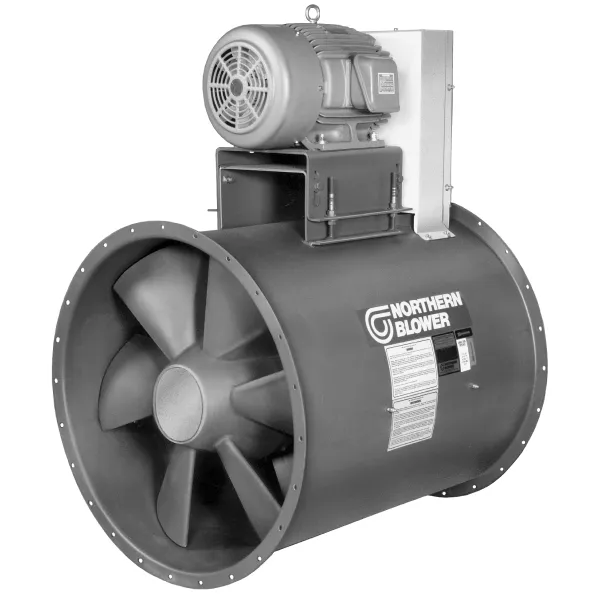
Dust collectors are built for a specific job: cleaning the air in industrial settings. They work by pulling air, along with any dust or debris floating in it, into the unit. Inside, a system of filters traps the particles, letting cleaner air pass through and out. This process is vital for worker safety and for keeping machinery running smoothly.
Primary Purpose: Capturing Airborne Particulates
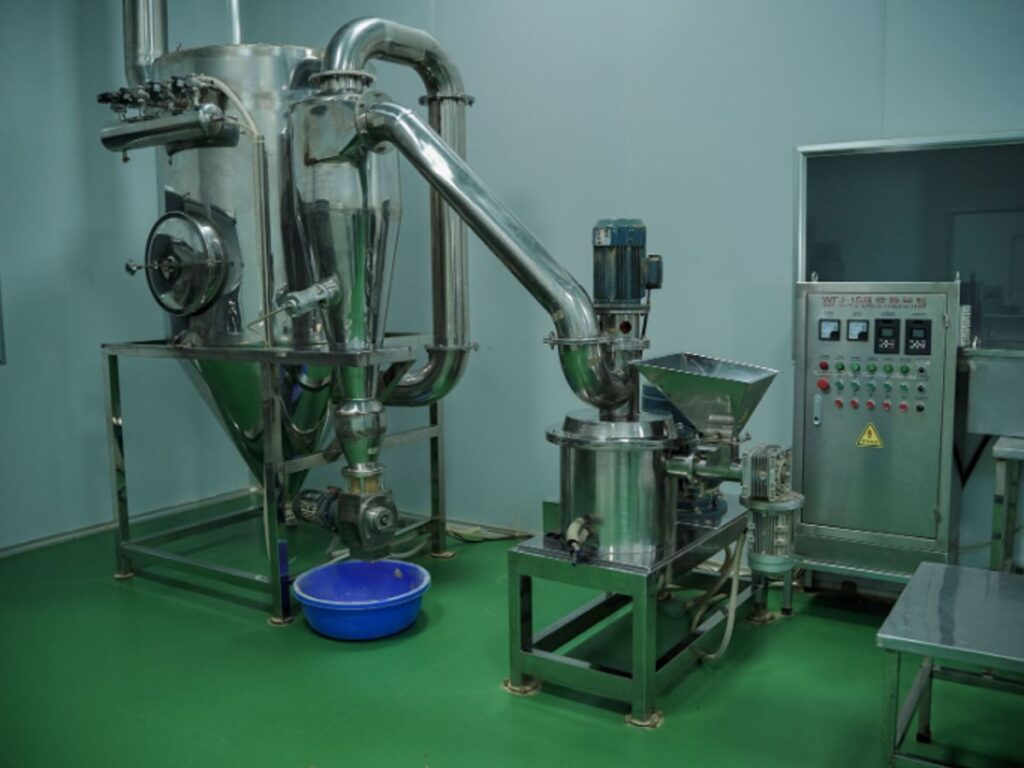
The main goal of any dust collector is to remove harmful or nuisance dust from the air. Think about woodworking shops, metal fabrication plants, or even food processing facilities – these places generate a lot of airborne particles. Dust collectors are designed to capture these particles at the source, preventing them from spreading throughout the workspace. This protects workers’ lungs and keeps the general environment cleaner.
Mechanism of Operation: Airflow and Filtration
At its heart, a dust collector is an air-moving system. A powerful fan creates negative pressure, drawing air into the collection unit. As the air moves through, it passes over or through a series of filters. These filters are rated to capture particles of specific sizes. For example, a common setup might use a pre-filter for larger debris and a more specialized filter, like a HEPA filter, for very fine particles. The collected dust then settles into a bin or bag at the bottom of the unit. Vimax Global’s industrial-grade filters are engineered for maximum capture efficiency and longevity.
Design Considerations for Industrial Environments
Industrial dust collectors are built tough. They need to handle large volumes of air and often abrasive materials. This means robust construction, powerful motors, and durable filter media. They are also designed with maintenance in mind, allowing for relatively easy filter changes and dust disposal. Many units are built for continuous operation and can be integrated into larger factory systems. For businesses looking for reliable air quality solutions, exploring Vimax Global dust collectors is a smart move. We understand the demands of export markets and can partner with you to meet your specific project needs. Inquire today about how we can support your operations.
Evaluating Vacuum Cleaner Principles and Applications
Vacuum Functionality: Suction and Debris Collection
Household and commercial vacuum cleaners operate on a straightforward principle: creating a pressure differential. A motor drives a fan, which expels air from the vacuum’s interior, thereby lowering the internal air pressure. This lower pressure inside the vacuum, compared to the ambient air pressure outside, causes air to rush in towards the vacuum. This incoming airflow carries dust, dirt, and other small debris with it. The collected material is then typically trapped by a filter or bag within the vacuum cleaner. The effectiveness of a vacuum cleaner is largely determined by its ability to generate and maintain strong suction. This suction power is often measured in inches of water lift or air watts, indicating how well it can pull in and hold onto particles.
Typical Use Cases for Household and Commercial Vacuums
When we think of vacuums, we often picture them cleaning carpets, hardwood floors, and upholstery in homes or offices. They’re great for everyday messes like spilled cereal, pet hair, and general dust buildup. In commercial settings, they might be used for cleaning lobbies, conference rooms, and retail spaces. Their design is generally optimized for portability and ease of use for these common cleaning tasks. They are not typically built to handle the large volumes of fine dust or the specific types of debris found in industrial settings.
Key Differences in Suction Power and Filtration
Industrial vacuum cleaners, like those manufactured by Vimax, are engineered with significantly higher suction capabilities than their household counterparts. This is often necessary to effectively capture fine particulates and larger debris found in manufacturing environments. While household vacuums might use simple cloth or paper filters, industrial units often employ multi-stage filtration systems, including HEPA filters, to capture microscopic particles and prevent their release back into the air. This robust filtration is critical for maintaining air quality and protecting worker health in demanding applications. For businesses seeking reliable, high-performance cleaning solutions, partnering with a manufacturing expert like Vimax can provide access to equipment tailored for specific industrial needs. We invite you to inquire about your projects and explore how our capabilities can support your operations.
Assessing the Feasibility: Can a Dust Collector Be Used as a Vacuum?
Direct Application: Suitability for General Cleaning
While a dust collector’s primary function is capturing fine airborne particles, its robust airflow can indeed be repurposed for general cleaning tasks typically handled by a shop vacuum. The powerful suction generated by industrial-grade motors in Vimax dust collectors means they can effectively lift larger debris, such as wood chips, metal shavings, or even small hardware, from workshop floors and surfaces. However, it’s important to recognize that the design is optimized for continuous airflow and filtration of fine dust, not necessarily for the intermittent, high-pressure suction needed for certain vacuuming applications. For instance, cleaning out a clogged pipe or sucking up liquid spills would not be within the intended operational parameters of most dust collectors. When considering a dust collection system for your workshop, think about the types of debris you most commonly encounter. If your needs lean heavily towards general shop cleanup of larger debris, a dust collector can serve this purpose adequately, provided you use appropriate attachments. For those whose primary need is workshop cleanup, understanding the nuances between a dedicated shop vacuum and a dust collector is key. Many find that a dust collector, with its superior filtration and capacity, can handle many shop vacuum tasks, but it’s not a direct one-to-one replacement for every scenario. We manufacture industrial-quality equipment designed for demanding environments, and our team can help you assess if a Vimax unit fits your specific cleaning needs. Reach out to discuss your project requirements.
Limitations in Suction Strength for Specific Tasks
When comparing a dust collector to a conventional vacuum, a key differentiator often lies in the peak suction pressure, commonly measured in inches of water lift. While dust collectors excel at moving large volumes of air (CFM), their static pressure capabilities might not always match that of a high-powered shop vacuum designed for concentrated suction. This means that for tasks requiring intense, focused suction, such as pulling debris from deep crevices or clearing blockages in narrow conduits, a standard dust collector might fall short. The design philosophy of a dust collector prioritizes continuous airflow to maintain filter efficiency and capture fine particulates, which can sometimes mean a trade-off in maximum static pressure. For applications where high static pressure is paramount, a specialized vacuum might be more appropriate. However, Vimax units are engineered for robust performance, and we encourage you to inquire about specific models and their performance metrics to see how they align with your operational demands. Partnering with Vimax means collaborating with a manufacturer committed to providing solutions that meet rigorous industrial standards.
Filtration Efficiency Comparison
The filtration capabilities of industrial dust collectors, particularly those manufactured by Vimax, are typically far superior to those found in standard household or even many commercial vacuums. Dust collectors are designed to capture microscopic airborne particles, often down to sub-micron levels, using multi-stage filtration systems that may include HEPA filters. This level of filtration is critical for maintaining air quality in industrial settings and protecting worker health. In contrast, most vacuums, even those marketed for allergy sufferers, may not achieve the same level of fine particle capture. While a dust collector can certainly vacuum up larger debris, its filtration system is its strong suit. This means that when using a dust collector for vacuuming tasks, you benefit from its advanced filtration, which can prevent fine dust from being recirculated into the air. This is a significant advantage over using a standard shop vac for dust collection, which often has less effective filtration. If your operations involve fine dust or require stringent air quality control, the filtration efficiency of a Vimax dust collector makes it a compelling choice, even for tasks that might otherwise be assigned to a vacuum. Let’s explore how our filtration technology can benefit your specific application. Contact us to learn more about partnership opportunities.
Adapting Dust Collectors for Vacuum-Like Performance
Modifications for Enhanced Suction
While standard dust collectors are built for capturing fine particles, adapting them for vacuum-like performance often requires adjustments to boost their suction capability. For industrial applications where robust pickup is necessary, consider upgrading the motor or impeller. A higher horsepower motor can significantly increase airflow and static pressure, translating to stronger suction. Vimax Global, as a leading manufacturer, can guide you on compatible motor upgrades that meet stringent industrial quality standards. We also provide consultation on impeller designs optimized for greater airflow velocity, a key factor in vacuum performance. When discussing your project needs, inquire about our custom motor solutions.
Utilizing Different Collection Receptacles
The standard collection bag or drum in a dust collector is designed for bulk material. For vacuum-like use, especially with finer debris or when frequent emptying is needed, alternative receptacles might be more practical. Consider adapting the system to use sealed containers or even specialized vacuum bags that can be easily detached and disposed of. This not only improves containment but also simplifies the cleanup process. When exploring options for your facility, ask about Vimax’s range of compatible collection accessories.
Hose and Nozzle Attachments for Versatility
The effectiveness of any vacuum system, whether adapted or purpose-built, relies heavily on its attachments. For dust collectors, this means selecting or fabricating hoses and nozzles that optimize airflow and direct suction effectively. Standard dust collector hoses can be quite rigid; a more flexible, yet durable, hose material might be beneficial for maneuverability. Nozzle design is also critical – a crevice tool, a brush attachment, or a wider floor nozzle can dramatically increase the collector’s utility for different cleaning tasks. Vimax Global can assist in identifying or developing the right hose and nozzle configurations for your specific industrial vacuum needs. Let us know your application challenges, and we can explore partnership opportunities.
Adapting industrial equipment for dual purposes requires a thorough understanding of both the original design parameters and the intended new function. It’s about optimizing airflow, filtration, and collection methods without compromising safety or efficiency. For businesses looking to maximize their equipment investment, exploring these modifications with a trusted manufacturing partner like Vimax Global is a strategic move.
Safety and Operational Considerations
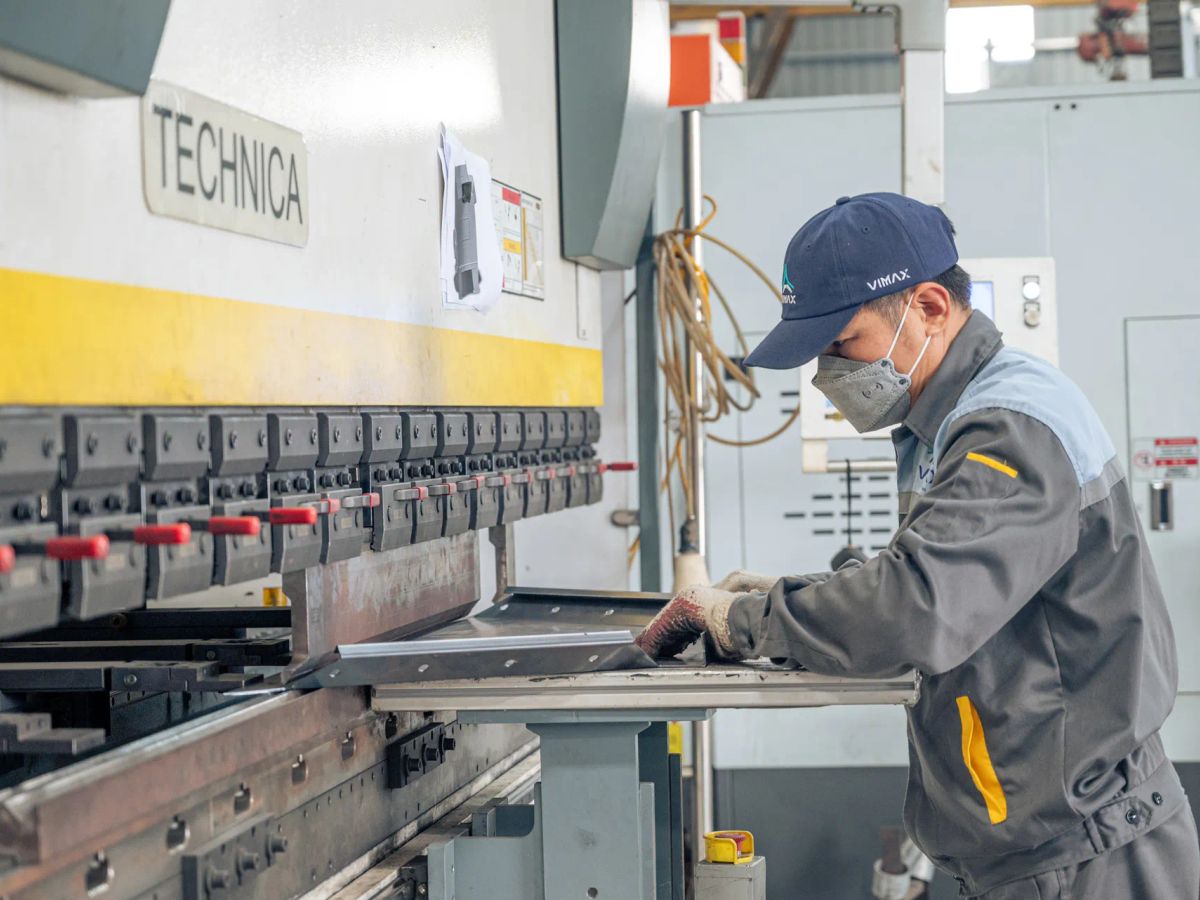
When considering repurposing industrial dust collectors for vacuum-like tasks, safety and proper operation are paramount. These machines are built for robust performance, but their design intent differs significantly from standard vacuums. Understanding these differences is key to safe and effective use.
Electrical Safety Standards
Industrial dust collectors, especially those intended for export, must meet stringent electrical safety standards. This includes proper grounding, insulation, and protection against overloads. Always verify that the unit complies with relevant certifications for your region. Failure to adhere to these standards can lead to electrical hazards, including fire and shock. Vimax, as a manufacturing partner, prioritizes these certifications in all our equipment, offering peace of mind for your operations.
Handling of Potentially Hazardous Materials
While a dust collector is designed to capture fine particles, it’s not inherently a hazardous material containment unit without specific configurations. If you intend to use it for materials that pose health risks (e.g., silica dust, asbestos, certain chemical powders), you must ensure the collector is equipped with appropriate filtration, such as HEPA filters, and that the collection vessel is sealed. Proper personal protective equipment (PPE) is also non-negotiable. For applications involving hazardous dust, consult with experts to ensure your setup meets all regulatory requirements. We can discuss your specific material handling needs to find the right Vimax solution.
Maintenance Requirements for Optimal Performance
Regular maintenance is critical for both safety and the longevity of your dust collector. This includes:
- Filter Cleaning/Replacement: Clogged filters reduce airflow and can strain the motor. Follow the manufacturer’s schedule for cleaning or replacing filters.
- Collection Bin Management: Overfilling the collection bin can impede airflow and potentially cause damage. Empty it regularly.
- Component Checks: Periodically inspect hoses, seals, and electrical connections for wear or damage.
Proper maintenance not only keeps the unit running efficiently but also prevents potential safety issues. If you’re looking for reliable equipment that’s built to last, consider Vimax’s commitment to quality manufacturing. Inquire about our maintenance support programs for your projects.
Adapting industrial equipment requires a thorough understanding of its capabilities and limitations. Prioritizing safety through adherence to electrical standards and proper material handling protocols is non-negotiable. Regular, diligent maintenance ensures both the safety of your operators and the efficient, long-term performance of the equipment.
Cost-Benefit Analysis of Dual-Purpose Utilization

When considering whether to repurpose a dust collector for general vacuuming tasks, a thorough cost-benefit analysis is key for industrial buyers and engineers. The initial investment for a robust dust collection system often exceeds that of a standard industrial vacuum, but its specialized design offers distinct advantages for certain applications.
Initial Investment Versus Separate Units
Purchasing a dedicated dust collector, especially one built for industrial environments and export readiness, represents a significant capital outlay. These units are engineered for high-volume particulate capture and durability. Conversely, acquiring separate, high-quality industrial vacuums for various tasks might seem more manageable initially. However, when evaluating the long-term operational needs of a facility, the integrated capabilities of a properly adapted dust collector can present a more economical solution.
Long-Term Operational Costs
Operational costs involve energy consumption, filter replacement, and maintenance. Industrial dust collectors are designed for continuous operation and efficient airflow management, which can translate to lower energy use per cubic foot of air processed compared to some heavy-duty vacuums. Filter longevity and availability are also critical factors. Vimax, as a manufacturing partner, can provide insights into the cost-effectiveness of our filtration solutions over the lifespan of the equipment. We specialize in industrial ventilation solutions, including dust collectors and air filtration systems.
Evaluating Efficiency Gains and Potential Drawbacks
Adapting a dust collector for vacuuming can yield efficiency gains by consolidating equipment needs. However, potential drawbacks include reduced maneuverability compared to wheeled vacuums and the need for specific attachments to optimize performance for different debris types. The filtration efficiency of a dust collector is typically far superior to standard vacuums, which is a major benefit when dealing with fine or hazardous dusts. For projects requiring specialized ventilation, inquiring about our capabilities is a good next step.
The decision hinges on a clear understanding of your facility’s specific dust and debris management requirements. A dust collector, while powerful, may require modifications or accessories to match the versatility of a dedicated vacuum in all scenarios. Consider Vimax as your partner for tailored industrial solutions.
We encourage you to inquire about your specific project needs or explore potential partnerships with Vimax. Our team is ready to discuss how our industrial quality equipment can meet your operational demands.
The Verdict: Dust Collectors vs. Vacuums
So, can you use a dust collector like a regular vacuum? Well, it’s not quite that simple. While both systems move air and collect debris, their designs are pretty different. Dust collectors are built for large volumes of fine particles, often in workshops, and they need a good amount of space to work. Standard vacuums are more for everyday messes around the house or office. Trying to use a big dust collector for small jobs might be overkill and, honestly, a bit awkward. On the other hand, a vacuum just won’t handle the kind of dust a workshop generates. If you’re looking for serious dust management for your industrial or workshop needs, a dedicated dust collection system from a trusted manufacturer like VIMAX GLOBAL is the way to go. They build these systems to handle tough jobs, ensuring your workspace stays clean and safe. For your export needs, VIMAX GLOBAL offers the quality and reliability you’d expect from a top Vietnamese manufacturer.
Frequently Asked Questions
What’s the main difference between a dust collector and a regular vacuum cleaner?
While both use air to move things, dust collectors are built to grab tiny particles floating in the air, usually from machines. Regular vacuums are designed to suck up bigger bits of dirt and stuff from floors and surfaces. Think of a dust collector as a super-powered air cleaner for workshops, and a vacuum as a cleaner for your house or office.
Can I use my dust collector to clean up spills like a vacuum?
Yes, you can often use a dust collector like a vacuum for some jobs. It’s great for cleaning up large messes of sawdust or debris in a workshop. However, it might not have the same focused suction or the right attachments for detailed cleaning like a household vacuum.
Why do dust collectors seem to have more power than vacuums?
Dust collectors usually have much stronger motors and fans to move a lot more air. This helps them pull in dust and chips from woodworking machines. Regular vacuums are made for lighter cleaning tasks and don’t need that kind of heavy-duty airflow.
Are the filters in dust collectors better than vacuum filters?
The filters in dust collectors are designed to catch very fine dust particles that could be harmful if breathed in, especially in industrial settings. Household vacuums have filters too, but they might not be as efficient at trapping the super-tiny particles that dust collectors handle.
How can I make a dust collector work more like a vacuum?
You might need to add special hoses or nozzles to a dust collector to make it work better for vacuuming. Some dust collectors can be adjusted or have different settings that help them suck up messes from the ground. VIMAX GLOBAL offers various air system solutions that might be adaptable for different needs.
Is it a good idea to use a dust collector for all my cleaning needs?
Using a dust collector as a vacuum can be very effective for workshop cleanup, saving you time and keeping the air cleaner. However, for everyday home cleaning, a dedicated vacuum cleaner is usually more practical and easier to use. It really depends on what kind of job you need to do.