


Ever wondered how to build dust collection system that really works? This guide walks you through setting up a shop-friendly dust system from start to finish. You’ll learn how to size it, pick solid parts from VIMAX Global, design easy-to-clean ducts, add simple controls, and keep everything humming long term. By the end, you’ll have a cleaner workspace and a system you can count on.
Key Takeaways
- Identify dust sources and calculate the right airflow before you buy anything
- Choose VIMAX Global’s industrial collectors, filters, and fans for proven quality
- Plan ducts with smooth layouts, durable materials, and access panels
- Use variable speed drives and pressure sensors to keep an eye on performance
- Set up regular inspections and filter swaps to avoid surprises
How To Build Dust Collection System By Defining Workshop Requirements
Before you start bolting together ductwork and hooking up dust collectors, it’s really important to take a step back and figure out exactly what your workshop needs. This isn’t just about getting a dust collection system; it’s about getting the right system for your specific operation. We at VIMAX Global understand that every industrial environment is unique, and a tailored approach is key to maximizing efficiency and minimizing downtime. Think of it as laying the groundwork for a long-term, reliable solution. We want to be your manufacturing partner in creating a safer, cleaner, and more productive workspace. Let’s get started!
Evaluating Particulate Generation Trends
First, you need to understand what kind of dust you’re dealing with and how much of it your equipment is producing. Different materials create different types and amounts of particulate. Are you working with wood, metal, composites, or something else? Is it fine dust, coarse shavings, or a mix? This will directly impact the type of filtration you need and the overall system design. Consider these points:
- Identify all dust-generating equipment (saws, sanders, grinders, etc.).
- Determine the type and size of particulate produced by each machine.
- Estimate the volume of particulate generated per hour of operation.
Understanding the specific characteristics of the dust generated in your workshop is the first step toward selecting the appropriate dust collection equipment and designing an effective system. This analysis will inform decisions about filter types, airflow requirements, and system layout.
Calculating Required Airflow Capacity
Once you know what kind of dust you’re dealing with, you need to figure out how much air you need to move to effectively capture it. This is measured in cubic feet per minute (CFM). Insufficient airflow is a common cause of dust collection system failure, leading to poor air quality and potential health hazards. There are industry-standard formulas and guidelines for calculating CFM based on the size and type of equipment. Here’s a simplified approach:
- Determine the required capture velocity for each tool (check industry guidelines).
- Measure the diameter of the tool’s dust port.
- Calculate the required CFM using the formula: CFM = Capture Velocity x (π x (Port Diameter/2)^2).
For example, a 6-inch port requiring 4000 FPM capture velocity needs approximately 785 CFM. Contact VIMAX Global for assistance with precise calculations tailored to your specific equipment and layout.
Mapping Equipment Layout Constraints
Finally, consider the physical layout of your workshop. Where are your machines located? How much space do you have for ductwork and the dust collector itself? Are there any obstacles (beams, pipes, etc.) that you need to work around? A well-planned layout will minimize ductwork runs, reduce pressure loss, and make the system easier to maintain. Also, think about future expansion. Can the system be easily expanded or reconfigured as your business grows? Consider these factors:
- Minimize ductwork length and bends to reduce pressure loss.
- Position the dust collector in a central location for optimal airflow.
- Ensure easy access to the dust collector for maintenance and emptying.
- Plan for future expansion and reconfiguration of the system.
By carefully considering these factors, you can lay the foundation for a dust collection system that meets your specific needs and provides years of reliable service. If you’re dealing with combustible particulate solids, make sure to follow safety guidelines. Contact VIMAX Global today to discuss your project and explore partnership opportunities.
Selecting Premium Dust Collection Components For Reliability
It’s time to talk about the heart of your dust collection system: the components. Don’t skimp here. Industrial-grade parts will save you headaches and money in the long run. We’re talking about reliability, efficiency, and keeping your workshop air clean for years to come. Think of it as an investment, not an expense. Let’s get into the specifics.
Choosing Industrial-Grade Collectors From VIMAX Global
When it comes to dust collectors, you’ve got options, but not all are created equal. For serious workshops and industrial settings, you need something that can handle constant use and heavy particulate loads. VIMAX Global offers a range of industrial-grade collectors designed for these demands. These collectors are built to meet international standards and are ready for export, ensuring they can perform reliably in any environment. Consider factors like CFM (cubic feet per minute), static pressure, and the size of your workshop when making your selection. It’s also worth thinking about the type of dust you’ll be collecting – wood, metal, or something else – as this can influence the best collector for your needs. Reach out to VIMAX Global to discuss your specific requirements and find the perfect collector for your operation.
Specifying High-Efficiency Filtration Media
Filtration is where the rubber meets the road in dust collection. You can have the most powerful collector in the world, but if your filters aren’t up to snuff, you’re still breathing in harmful particles. Look for high-efficiency filtration media like HEPA (High-Efficiency Particulate Air) filters or MERV-rated filters. These filters capture a higher percentage of fine dust particles compared to standard filters. When selecting filtration media, consider:
- Filter Efficiency: What percentage of particles does it capture?
- Filter Life: How often will you need to replace it?
- Filter Material: Is it suitable for the type of dust you’re collecting?
Investing in quality filters is an investment in your health and the longevity of your equipment. Don’t cut corners here. Regular filter replacement is also key to maintaining optimal performance.
Integrating Robust Fan Technologies
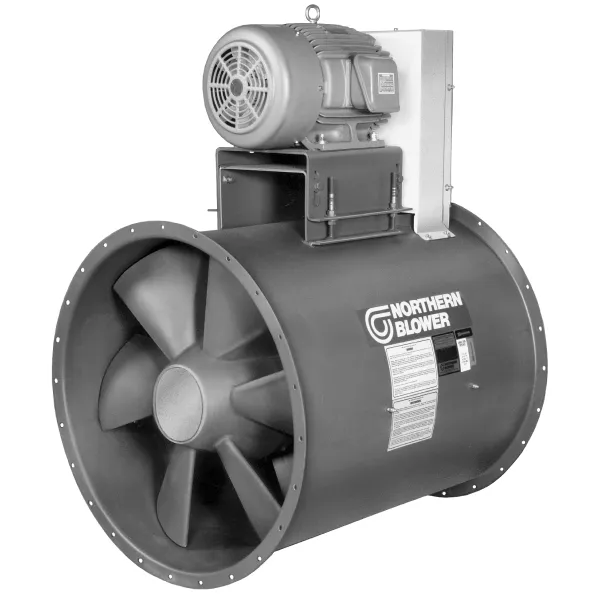
The fan is the engine of your dust collection system, and you need one that’s up to the task. Look for industrial-grade fans with robust motors and durable construction. Consider factors like fan speed, impeller design, and noise level. Variable frequency drives (VFDs) can be a great addition, allowing you to adjust the fan speed to match your needs and save energy. VIMAX Global offers a variety of cooling ventilations and fan technologies designed for industrial applications. When selecting a fan, think about:
- Airflow Requirements: How much air do you need to move?
- Static Pressure: How much resistance will the fan need to overcome?
- Energy Efficiency: How much power will the fan consume?
Interested in exploring partnership opportunities with VIMAX Global? Inquire today to discuss how we can collaborate on your next project.
Engineering Ductwork To Optimize Airflow And Accessibility
Getting the ductwork right is super important for any dust collection system. It’s not just about slapping some pipes together; it’s about making sure the system works efficiently and is easy to maintain. We’re talking about industrial-grade solutions here, built to last and perform under tough conditions. VIMAX Global can help you design and source the right components for your specific needs.
Designing Low-Resistance Duct Paths
Think of ductwork like a highway for dust. You want to minimize traffic jams, right? That means designing paths that reduce resistance. Sharp turns and long, winding routes are the enemy. Straight runs and gradual bends are your friends. Here’s what to keep in mind:
- Use smooth-walled pipes to reduce friction.
- Opt for wide-radius elbows instead of sharp angles.
- Keep duct runs as short and direct as possible.
Specifying Durable And Corrosion-Resistant Materials
Your ductwork needs to stand up to whatever your workshop throws at it. That means choosing materials that can handle the dust, chemicals, and moisture in the air. For many industrial applications, galvanized steel is a solid choice because it offers a good balance of strength, corrosion resistance, and cost. Stainless steel is even better for highly corrosive environments, but it’s more expensive. Consider these factors when making your decision:
- Type of dust being collected (e.g., wood, metal, chemicals).
- Humidity levels in the workshop.
- Potential for chemical exposure.
Incorporating Modular Access Panels
Maintenance is a fact of life. You’ll need to inspect and clean your ductwork regularly, so make it easy on yourself by including access panels at strategic locations. Modular designs are great because they allow you to add or move panels as needed. Think about placing them near elbows, branches, and other areas where dust is likely to accumulate. VIMAX Global can provide dust collectors with integrated access solutions for easy maintenance.
Implementing Acoustic Dampening Measures
Dust collection systems can be noisy, especially with powerful fans moving air through metal ducts. Acoustic dampening can help reduce noise levels and create a more comfortable work environment. There are several ways to achieve this:
- Wrap ducts with sound-absorbing insulation.
- Use flexible connectors to isolate vibration.
- Install silencers in the ductwork.
Proper ductwork design is critical for the overall performance of your dust collection system. By focusing on low resistance, durable materials, accessibility, and noise reduction, you can create a system that is efficient, reliable, and easy to maintain. VIMAX Global is ready to be your manufacturing partner. Inquire today about your project or partnership opportunities.
Implementing Advanced Control Systems For Performance Monitoring
To keep your dust collection system running at its best, you need advanced controls. These systems let you monitor performance, make adjustments, and catch problems early. VIMAX Global can help you integrate these technologies for optimal results. Let’s explore some key components.
Deploying Variable Frequency Drives
Variable Frequency Drives (VFDs) are a game-changer for dust collection systems. Instead of running fans at a constant speed, VFDs let you adjust the motor speed to match the actual demand. This does a few things. First, it saves energy because you’re not running the fan at full power when you don’t need to. Second, it reduces wear and tear on the motor, extending its lifespan. Third, it gives you finer control over airflow, which can be important for different processes. VFDs can be retrofitted into existing systems or designed into new ones.
Integrating Pressure And Flow Sensors
Sensors are the eyes and ears of your dust collection system. Pressure sensors monitor the static pressure in the ductwork, telling you if there are any blockages or restrictions. Flow sensors measure the actual airflow, ensuring that you’re getting the right amount of suction at each pickup point. By combining these two types of sensors, you can get a complete picture of your system’s performance. Here’s a simple example of how sensor data might be displayed:
| Sensor Type | Location | Reading | Unit |
|---|---|---|---|
| Static Pressure | Main Duct | -6.0 | in. wg |
| Airflow | Branch 1 | 1200 | CFM |
| Filter Differential | Collector Inlet | 1.2 | in. wg |
Establishing Real-Time Monitoring Dashboards
All the data from your sensors is useless if you can’t see it and understand it. That’s where real-time monitoring dashboards come in. These dashboards display key performance indicators (KPIs) in an easy-to-read format. You can see at a glance if everything is running smoothly, or if there are any issues that need attention. Plus, you can set up alerts to notify you automatically if a sensor reading goes out of range. Consider VIMAX Global’s SmartFlo™ Downflow Cartridge Collector for a system ready for integration with advanced monitoring.
A well-designed monitoring dashboard is more than just a pretty interface. It’s a tool that empowers you to make data-driven decisions about your dust collection system. By tracking trends and identifying potential problems early, you can prevent costly downtime and keep your operation running smoothly.
Interested in upgrading your dust collection system with advanced controls? Contact VIMAX Global today to discuss your project requirements. We offer a range of air filtrations and can help you find the right solution for your needs.
Coordinating Professional Installation With Global Partners
Getting your dust collection system installed right is super important. It’s not just about bolting things together; it’s about making sure everything works efficiently and safely. We work with partners all over the world to make this happen. Think of it as a global team effort to bring top-notch industrial solutions to your workshop.
Collaborating With VIMAX Global Project Managers
When you choose VIMAX Global, you’re not just getting equipment; you’re getting a dedicated project manager. These folks are pros at coordinating everything from start to finish. They’ll work with you to understand your specific needs and make sure the installation goes smoothly. They’re the point people, ensuring everyone is on the same page, whether it’s about cooling ventilations or timelines. It’s about having someone who knows the ins and outs of your project, so you don’t have to worry about the details.
Verifying Precision Alignment And Sealing
Precision is key when installing a dust collection system. If things aren’t aligned correctly or sealed properly, you’ll lose efficiency and could even create safety hazards. Our installation teams double-check everything to make sure it’s spot-on. This includes using laser alignment tools and high-quality sealants to prevent leaks. It’s a meticulous process, but it’s worth it to ensure your system performs as expected for years to come. We want to make sure your dust collectors are working at peak performance.
Conducting System Commissioning Procedures
Once the system is installed, it’s time to put it to the test. Commissioning involves running the system through its paces to make sure everything is working as it should. This includes checking airflow rates, pressure levels, and filtration efficiency. We also train your staff on how to operate and maintain the system properly. It’s about making sure you’re comfortable and confident with your new equipment. Think of it as a final exam to ensure your air filtrations system is ready for action.
Proper commissioning is not just a formality; it’s a critical step in ensuring the long-term reliability and performance of your dust collection system. It helps identify and address any potential issues before they become major problems, saving you time and money in the long run.
Ready to get started? Inquire about your project today and let VIMAX Global be your manufacturing partner for industrial-grade dust collection solutions.
Validating System Effectiveness With Comprehensive Testing
Alright, so you’ve put in the work to design and install your dust collection system. Now comes the part where you make sure it’s actually doing its job. We’re talking about real-world performance, not just theoretical calculations. This is where comprehensive testing comes in, and it’s crucial for ensuring a safe and efficient workshop environment. VIMAX Global understands the importance of validation, and we’re here to help you get it right.
Performing Static And Dynamic Pressure Tests
First up, pressure testing. Static pressure tests tell you about the system’s resistance to airflow, while dynamic tests show how the system performs under actual operating conditions. These tests help identify leaks, blockages, or design flaws that could reduce the system’s effectiveness. You’ll need a manometer or differential pressure gauge for this. Here’s a basic rundown:
- Seal off all inlets and outlets except for one.
- Use a fan or blower to pressurize the system to a specific level.
- Monitor the pressure drop over a set period. A significant drop indicates leaks.
Dynamic pressure tests involve measuring pressure at various points in the system while equipment is running. This helps you understand how airflow is distributed and whether any areas are experiencing excessive pressure drops. Contact VIMAX Global to inquire about dust collectors and pressure testing equipment.
Assessing Filtration Efficiency Standards
Filtration efficiency is the name of the game. You need to know how well your system is capturing those fine particles. There are several standards to consider, such as MERV ratings or HEPA certifications. Here’s what to keep in mind:
- MERV Ratings: Indicate the filter’s ability to capture particles of different sizes. Higher MERV ratings mean better filtration.
- HEPA Filters: Designed to capture at least 99.97% of particles 0.3 microns in size.
- Dust Particle Analysis: Lab tests can determine the size and composition of dust particles in your workshop.
It’s important to select filters that meet the specific needs of your application. Consider the type of materials you’re working with and the potential health hazards associated with the dust generated. Regular filter changes are also a must to maintain optimal performance.
Reviewing Regulatory Compliance Certifications
Last but not least, regulatory compliance. Depending on your industry and location, there may be specific regulations regarding dust collection and air quality. For example, NFPA 660 sets standards for combustible dust hazards. Make sure your system meets all applicable requirements.
Here are some key areas to focus on:
- Local Air Quality Regulations: Check with your local environmental agencies for specific requirements.
- OSHA Standards: OSHA has regulations regarding workplace air quality and exposure to hazardous substances.
- Industry-Specific Standards: Certain industries may have their own specific requirements for dust collection.
Working with VIMAX Global ensures that your dust collection system is not only effective but also compliant with all relevant regulations. We can help you navigate the complexities of compliance and ensure that your system meets the highest standards. Reach out to us to discuss your project and explore potential partnerships.
Ensuring Long-Term Efficiency Through Proactive Maintenance
Maintaining the efficiency of your dust collection system over the long haul requires a proactive approach. It’s not just about installing the system; it’s about ensuring it continues to perform optimally for years to come. This involves regular inspections, timely replacements, and a keen eye on performance metrics. Think of it as preventative medicine for your industrial air quality. VIMAX Global is committed to helping you achieve sustained performance and reliability.
Scheduling Regular Filter Inspections And Replacements
Filters are the workhorses of your dust collection system. They trap the particulate matter, preventing it from recirculating into your workspace. Regular inspections are key to identifying when filters are becoming clogged or damaged. A visual check can often reveal obvious issues, but pressure drop readings provide a more quantitative assessment. Establish a schedule for filter replacements based on your operational demands and the manufacturer’s recommendations. Ignoring this can lead to reduced airflow, increased energy consumption, and potential damage to the system. Consider these factors when planning:
- Type of dust being collected
- Operating hours of the system
- Filter media type and efficiency
Monitoring Fan And Motor Health Metrics
The fan and motor are the heart of your dust collection system, driving the airflow that captures and removes dust. Monitoring their health is crucial for preventing unexpected downtime and costly repairs. Keep an eye on these metrics:
- Vibration levels: Excessive vibration can indicate bearing wear or imbalance.
- Motor temperature: Overheating can signal overload or inadequate ventilation.
- Ampere draw: Changes in current draw can point to motor issues or airflow obstructions.
Regular maintenance, such as lubrication and cleaning, can extend the lifespan of your fan and motor. Partnering with VIMAX Global ensures access to expert technicians who can diagnose and address potential problems before they escalate. Consider vibration analysis and thermal imaging as part of your routine maintenance program.
Leveraging Continuous Improvement Feedback
Your dust collection system is not a static entity; it’s a dynamic part of your operation. As your processes evolve, so too should your dust collection strategy. Gather feedback from your team, analyze performance data, and identify areas for improvement. This might involve adjusting airflow settings, modifying ductwork configurations, or upgrading filtration media. VIMAX Global can help you select premium dust collection components and implement these changes effectively. Here’s how to approach it:
- Regularly review system performance data.
- Solicit input from operators and maintenance personnel.
- Implement changes based on data and feedback.
By embracing a culture of continuous improvement, you can ensure that your dust collection system remains efficient, effective, and aligned with your evolving needs. Contact VIMAX Global today to discuss your project and explore how our proactive maintenance solutions can benefit your operations.
Regular check-ups help your equipment run longer and better. It only takes a little time, but you can avoid big fixes down the road. Visit our site at Vimax Global to see how we can keep you ahead of problems.
## Conclusion
Wrapping up, building a dust collection system may seem complex, but by following each step you can achieve a tidy workshop. Begin with a clear layout, choose a VIMAX GLOBAL fan and filter that match your space, link up the ductwork, then run a quick test. Keep an eye on airflow, clean or swap filters when things slow down, and you’ll stay ahead of dust buildup. With export-ready quality straight from Vietnam, VIMAX GLOBAL backs every system with reliable performance and global support. We’ve helped distributors and project managers around the world set up cleaner, safer work areas, and we’re ready to team up on your next build. Reach out today, and let’s get your dust collector up and running.
Frequently Asked Questions
What exactly is a dust collection system?
A dust collection system is a setup of fans, ducts, and filters that captures dust and tiny particles. It keeps your workshop air clean and safe.
How do I choose the right size dust collector for my shop?
First, check how many tools you run and how much dust they make. Then pick a unit from VIMAX GLOBAL that meets or slightly exceeds your airflow needs in cubic feet per minute (CFM).
Why does airflow capacity matter?
Good airflow pulls dust straight into the filter. If airflow is too low, dust can float around and harm your health and machines.
Can VIMAX GLOBAL make a custom dust system for my workshop?
Yes. VIMAX GLOBAL works with you to design a system that fits your space and budget. They export reliable, high-quality units worldwide.
How often should I change or clean the filters?
It depends on how much you use the system. As a rule, check filters every month and replace them every 6 months or when airflow drops noticeably.
Is it hard to keep a dust collection system in good shape?
Not at all. VIMAX GLOBAL systems are built for easy access. Just inspect fans, ducts, and filters regularly and follow simple maintenance steps.