


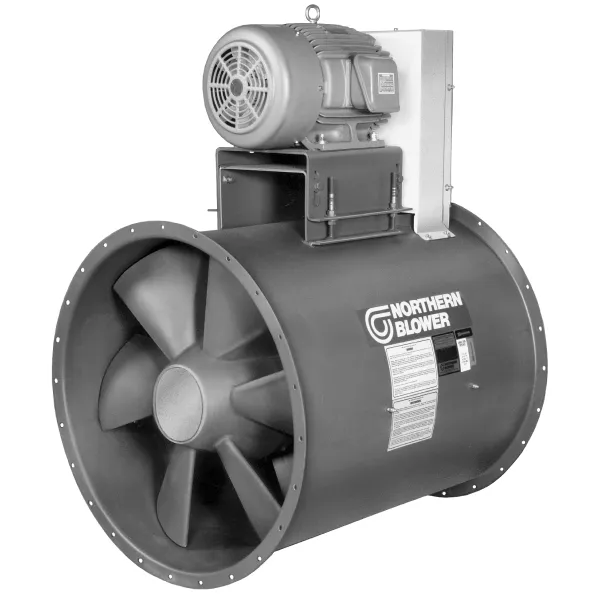
When dealing with dust collection systems, especially in industrial settings, one crucial aspect to get right is grounding. It’s not just some extra step; it’s a big deal for keeping things safe and making sure your system works like it should. We’ll discuss how to ground a dust collection system, covering everything from its importance to setting it up and maintaining optimal performance. Getting this right can help you avoid problems, so let’s get into it.
Key Takeaways
- Grounding helps stop static electricity from building up, which can cause sparks and even explosions, especially with certain types of dust.
- You need to pick the right wires and connectors for grounding. They have to be of good quality and able to handle the job.
- Make sure every part of your dust collection system is connected to the ground. This means ducts, hoses, and the main unit itself.
- Check your grounding system regularly. Wires can get old or damaged, and you want to catch that before it causes trouble.
- Following rules from groups like NFPA and OSHA is important. These rules are there to keep everyone safe and make sure your system is up to par.
Understanding the Critical Need for Grounding Dust Collection Systems
Dust collection systems are vital for maintaining air quality and safety in many industrial environments. However, the movement of air and particulate matter through these systems can create a significant buildup of static electricity. Without proper grounding, this static can discharge, leading to a range of hazards. Let’s explore why grounding is so important.
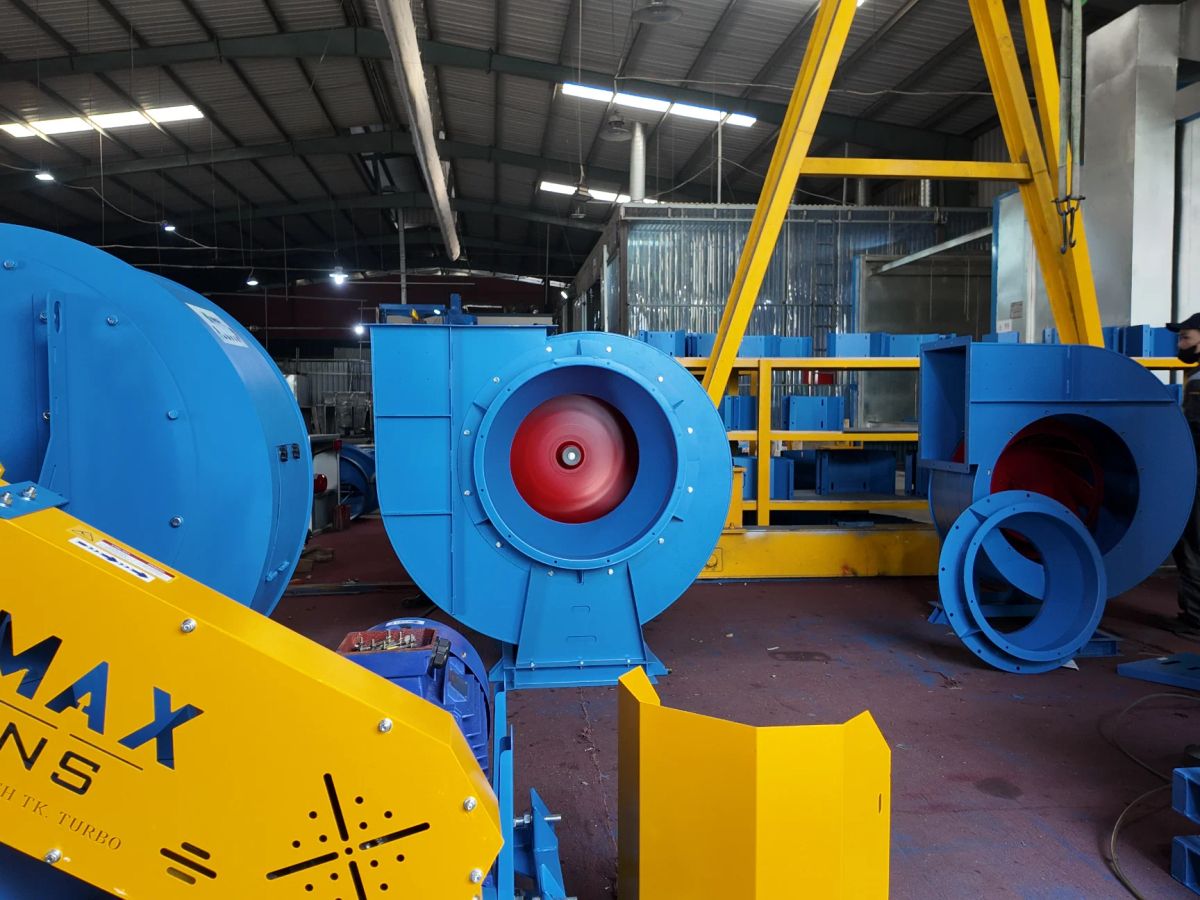
Dust collection systems are vital for maintaining air quality
Mitigating Electrostatic Discharge Risks
Electrostatic discharge (ESD) is a real threat in dust collection. As dust particles move through ductwork, they rub against the surfaces, generating static electricity. If this charge isn’t properly grounded, it can build up to a point where it discharges as a spark. This spark can ignite combustible materials present in the dust collection system, leading to a fire or explosion. Grounding provides a safe path for this static to dissipate, preventing dangerous sparks. Think of it like a lightning rod for your dust collector. Vimax understands these risks and designs its air filtration systems with safety as a priority.
Preventing Combustible Dust Explosions
Combustible dust explosions are a serious concern in industries that handle materials like wood, grain, metal, and certain chemicals. When these materials are processed, they create fine dust particles that can become suspended in the air. If there’s an ignition source, like an electrostatic discharge, a rapid explosion can occur. Grounding the dust collection system is a key preventative measure. By eliminating the risk of static sparks, you significantly reduce the chance of a dust explosion. Consider Vimax as your manufacturing partner for robust, export-ready solutions.
Ensuring Operational Safety and Compliance
Beyond preventing fires and explosions, grounding dust collection systems is about overall operational safety and regulatory compliance. Many safety standards, such as those set by NFPA and OSHA, require proper grounding to protect workers and facilities. A properly grounded system not only reduces the risk of accidents but also demonstrates a commitment to safety, which can improve employee morale and reduce liability. Regular inspections and maintenance of the grounding system are essential to ensure its continued effectiveness. Inquire today about how Vimax can help with your next project. We offer dust collectors that meet or exceed safety standards.
Key Components for Effective Dust Collector Grounding
To make sure your dust collection system is grounded correctly, you need to pick the right parts and put them together the right way. It’s not just about slapping some wires together; it’s about making a safe, reliable system that lasts. Let’s look at the key parts you’ll need.
Selecting Appropriate Grounding Conductors
Choosing the right grounding conductor is super important. You can’t just use any old wire. You need to make sure it’s sized correctly to handle any fault currents that might come its way. Think about the material, too. Copper is a good choice because it’s conductive and resists corrosion, but it can be pricey. Aluminum is cheaper, but you have to be careful about corrosion and how you connect it. The size of the conductor matters a lot. It needs to be big enough to handle a fault without melting or causing a fire. Check out the dust collector types to make sure you have the right size.
Here’s a quick rundown:
- Material: Copper, aluminum, or copper-clad steel.
- Size: Determined by the system’s fault current capacity.
- Insulation: Should be appropriate for the environment (heat, chemicals, etc.).
Utilizing Certified Grounding Clamps and Connections
Grounding clamps and connections are where the rubber meets the road. If these aren’t up to snuff, your whole grounding system is useless. Look for clamps that are certified by a recognized testing laboratory. These certifications mean the clamps have been tested and meet certain safety standards. Make sure the clamps are made of a material that’s compatible with the grounding conductor and the equipment you’re grounding. You don’t want dissimilar metals causing corrosion. Also, think about the environment. If you’re in a corrosive environment, you’ll need clamps that are designed to withstand it. Vimax offers export-ready components that meet these stringent requirements, ensuring reliability in diverse industrial settings. Inquire today about our industrial quality grounding solutions.
Integrating with Facility Electrical Grounding Systems
Your dust collection system’s grounding needs to tie into the building’s overall electrical grounding system. This is where things can get tricky, so it’s often best to consult with an electrical engineer. The goal is to create a low-impedance path back to the source. This helps ensure that fault currents have a clear path to ground, tripping circuit breakers, and preventing dangerous voltage buildup. Make sure the connection between the dust collection system and the building’s ground is solid and reliable. Use proper bonding techniques and inspect the connection regularly. If you’re not sure how to do this, get a qualified electrician involved. Vimax can help you find the right pulse valves for your system.
Proper integration with the facility’s grounding system is not just about connecting wires; it’s about understanding the flow of electricity and ensuring a safe, reliable path for fault currents. It’s a critical aspect of protecting both equipment and personnel.
Interested in partnering with Vimax for your dust collection grounding needs? Contact us to discuss your project requirements and how our engineering can help.
Best Practices for Installing Grounding Systems
Establishing a Dedicated Grounding Path
When setting up a grounding system, think of it like building a highway for stray electrical charges. The goal is to provide the easiest, most direct route to the ground. This means avoiding sharp bends, long detours, or any materials that might resist the flow of electricity. A dedicated grounding path ensures that if a fault occurs, the current will quickly and safely dissipate, protecting both equipment and personnel. Consider using heavy-gauge copper wire for this purpose, as it offers excellent conductivity and durability. Vimax can help you select the right materials for your specific industrial environment. Let’s talk about your project requirements.
Ensuring Continuous Conductivity Throughout the System
Think of your grounding system as a chain; it’s only as strong as its weakest link. Every connection point, every clamp, and every section of wire must maintain a solid, low-resistance connection. Oxidation, corrosion, and loose fittings can all compromise conductivity. Regular inspections are key, and using corrosion-resistant materials is a smart move, especially in harsh industrial settings. Here are a few things to keep in mind:
- Use star washers to bite into the metal for better contact.
- Apply anti-seize compound to threaded connections.
- Regularly check and tighten all connections.
A break in conductivity can render the entire grounding system ineffective, creating a false sense of security. It’s better to be proactive and ensure every component is properly connected and maintained.
Implementing Proper Bonding Techniques for All Components
Bonding is all about connecting all metal parts of your dust collection system, so they’re at the same electrical potential. This prevents sparks from jumping between components, which is a major hazard in environments with combustible dust. Proper bonding involves using grounding straps or wires to connect ductwork sections, housings, and any other metal parts. Make sure these connections are secure and corrosion-resistant. Vimax offers a range of dust collection systems that are designed with integrated bonding points for easy installation. Inquire today about our export-ready solutions.
Maintaining Grounding Integrity in Dust Collection Operations
Keeping your dust collection system properly grounded isn’t a one-time thing. It requires ongoing attention to make sure it keeps working as it should. This is especially important in industrial settings where things can wear down quickly. Let’s look at what it takes to maintain that grounding integrity.
Regular Inspection and Testing Protocols
Regular checks are a must. Think of it like a health checkup for your grounding system. You need to visually inspect all grounding wires, clamps, and connections for any signs of damage or corrosion. Use a multimeter or ground resistance tester to verify the resistance of the grounding path. Keep a log of these inspections, noting any issues and when they were fixed. Here’s a simple schedule you might follow:
- Monthly: Visual inspection of all connections.
- Quarterly: Resistance testing of grounding paths.
- Annually: Comprehensive system review and testing.
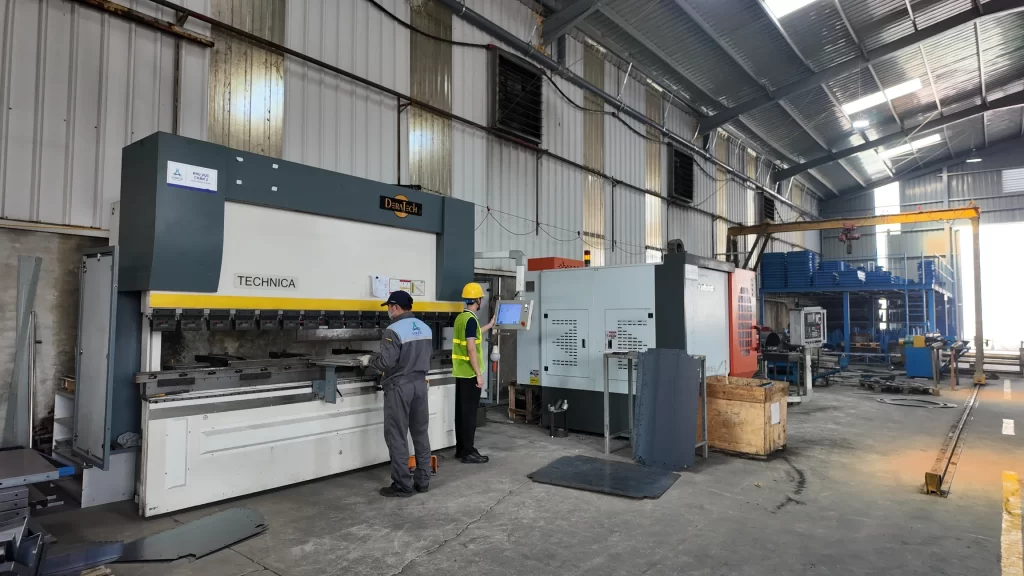
Regular Inspection and Testing Protocols
Addressing Wear and Corrosion on Grounding Components
Industrial environments can be tough on equipment. Grounding components are no exception. Corrosion can build up, especially in humid or chemically active environments. Replace any corroded or damaged components immediately. Consider using corrosion-resistant materials for grounding conductors and clamps. Also, make sure connections are tight and secure to prevent loosening from vibration. If you’re dealing with harsh conditions, think about adding protective coatings to your grounding system.
Training Personnel on Grounding System Awareness
It’s not enough to just have a good grounding system; your team needs to understand why it’s there and how to keep it working. Train your staff to recognize potential grounding issues and report them promptly. Make sure they know not to tamper with or disconnect any grounding components. Regular training sessions can help reinforce the importance of grounding and prevent accidents. Consider including these topics in your training:
- The basics of electrostatic discharge and combustible dust hazards.
- How to identify damaged or corroded grounding components.
- The importance of reporting any grounding issues immediately.
A well-maintained grounding system is a critical safety measure. Neglecting it can lead to serious consequences, including fires and explosions. Make sure your team understands the importance of regular inspections and prompt repairs.
For reliable dust collectors and components ready for export, consider Vimax as your manufacturing partner. We focus on quality and durability to meet the demands of industrial environments. Interested in discussing your project requirements? Reach out to us today. We also offer effective ventilation solutions to help manage combustible dust hazards. Let’s collaborate to ensure a safer, more efficient operation for your facility.
Addressing Unique Grounding Challenges in Industrial Settings
Industrial environments present specific hurdles when it comes to grounding dust collection systems. Factors like the materials being processed, the physical layout of the facility, and even the surrounding environment can all impact the effectiveness of a grounding strategy. Let’s look at some of these challenges and how to overcome them.
Grounding Flexible Hoses and Ductwork
Flexible hoses and ductwork, often made of non-conductive materials, pose a significant grounding challenge. Static charge can easily build up on these surfaces, creating a spark hazard. The key is to create a conductive pathway along the entire length of the hose or duct. Here’s how:
- Use conductive hoses or ductwork specifically designed for dust collection.
- If non-conductive materials are used, implement a grounding wire that runs internally or externally, ensuring continuous contact.
- Bond all sections of flexible ductwork together using grounding straps and clamps.
Managing Static Accumulation in Filter Media
Filter media, especially in baghouses, can be a major source of static electricity. As dust particles pass through the filter, they can generate a charge. This charge can then accumulate on the filter media, increasing the risk of electrostatic discharge. Here’s how to manage it:
- Use filter media with anti-static properties. Some materials are designed to dissipate static charge more effectively.
- Implement a grounding grid within the filter housing to provide a path for static discharge.
- Regularly clean or replace filter media to prevent excessive dust buildup, which can exacerbate static accumulation.
Considering Environmental Factors Affecting Grounding
The surrounding environment can significantly impact the effectiveness of a grounding system. Humidity, temperature, and the presence of corrosive substances can all play a role. For example, high humidity can increase conductivity, while corrosive substances can degrade grounding connections. Here’s what to consider:
- In humid environments, ensure that grounding connections are properly sealed to prevent corrosion.
- In corrosive environments, use grounding components made of corrosion-resistant materials, such as stainless steel or coated copper.
- Regularly inspect grounding connections for signs of wear or corrosion, and replace them as needed.
Proper grounding is not just about installing wires; it’s about understanding the specific challenges of your industrial environment and implementing a solution that addresses those challenges. This proactive approach minimizes risks and promotes a safer, more efficient operation.
At Vimax, we understand these challenges and can help you design and implement a grounding system that meets your specific needs. Our industrial fan products are designed with safety and reliability in mind, and we offer a range of components suitable for even the most demanding industrial environments. We also offer industrial ventilation solutions for your consideration. Contact us today to discuss your project and learn how we can help you ensure the safety and efficiency of your dust collection system. We are ready to be your manufacturing partner, providing export-ready solutions with industrial quality.
Compliance and Regulatory Standards for Dust Collector Grounding
Adhering to NFPA Guidelines for Combustible Dusts
The National Fire Protection Association (NFPA) sets the standard when it comes to handling combustible dusts. NFPA guidelines are not just suggestions; they’re a framework for minimizing explosion risks. These guidelines cover everything from proper equipment design to safe operating procedures. For instance, NFPA 652 outlines the basic requirements for managing combustible dust hazards, while NFPA 654 provides specific guidance for preventing fires and explosions from the manufacturing, processing, and handling of combustible particulate solids. Staying compliant means understanding these standards and implementing them rigorously. Vimax understands these standards and can help you meet them with our dust collectors.
Meeting OSHA Requirements for Workplace Safety
The Occupational Safety and Health Administration (OSHA) has a clear mandate: protect workers. OSHA enforces regulations that directly impact dust collection systems, particularly concerning hazard communication, personal protective equipment (PPE), and control of hazardous energy (lockout/tagout). Failing to meet OSHA standards can result in hefty fines and, more importantly, put your employees at risk. OSHA’s emphasis on a safe working environment means your grounding system must be up to par. Regular inspections, proper training, and documented procedures are all key to OSHA compliance. We can help you with air filtration to meet OSHA requirements.
Understanding International Electrical Codes and Standards
If you’re operating globally, you can’t just focus on domestic regulations. International Electrical Codes (IEC) and other regional standards play a significant role. These standards often have specific requirements for grounding and bonding, especially in hazardous locations. For example, the ATEX directives in Europe set strict guidelines for equipment used in potentially explosive atmospheres. Understanding these international standards is crucial for ensuring your dust collection systems are safe and compliant, no matter where they’re deployed. Vimax products are designed with export readiness in mind, meeting a wide range of international standards. Consider our cooling ventilation for your international projects.
Compliance isn’t a one-time thing; it’s an ongoing process. Regulations change, technology evolves, and your operations might expand. Staying informed and adapting your grounding practices accordingly is essential for long-term safety and regulatory adherence.
Partner with Vimax for reliable, compliant dust collection solutions. Inquire today about your project needs and how we can support your compliance efforts.
Partnering for Expert Dust Collection System Solutions
It’s a fact: even the best-designed grounding systems can benefit from expert oversight. When dealing with industrial-scale dust collection, getting it right isn’t just about following guidelines; it’s about ensuring the safety and efficiency of your entire operation. That’s where partnering with a specialist comes in.
Leveraging Specialized Engineering Expertise
Working with a company that focuses on dust collection systems brings a lot to the table. They can offer:
- In-depth system analysis to identify potential grounding weak points.
- Customized solutions tailored to your specific industrial environment.
- Support for integrating grounding into new or existing systems.
A good partner will not only help you design a safe system but also provide ongoing support to keep it that way. They understand the nuances of different industries and can adapt solutions accordingly.
Accessing High-Quality, Export-Ready Components
Using industrial-grade components is non-negotiable for effective grounding. A partner like Vimax can provide access to parts that meet or exceed international standards. This is especially important if you’re operating in multiple regions or exporting equipment.
Consider these factors when sourcing components:
- Material certifications (e.g., UL, CSA).
- Corrosion resistance for harsh environments.
- Compatibility with your existing system.
Ensuring Long-Term System Reliability and Performance
Grounding isn’t a one-time fix; it’s an ongoing process. A strong partnership includes:
- Regular inspections and maintenance schedules.
- Training for your staff on proper grounding procedures.
- Access to technical support when you need it.
Think of Vimax as more than just a supplier; we’re a partner invested in the long-term success and safety of your dust collection operations. Want to discuss your project or explore partnership opportunities? Get in touch today to learn more about our air filtration and dust collection solutions.
Conclusion
So, getting your dust collection system properly grounded is a big deal. It helps keep everyone safe and makes sure your equipment works right. Taking the time to do this correctly can prevent problems and keep your operations running smoothly. For businesses looking for reliable industrial air systems, VIMAX GLOBAL is a good choice. We make quality products and are ready to work with international partners. We want to help you find the right solutions for your industrial needs.
Read more: Finding Top-Rated Industrial Fan Balancing Companies Near Me: A Comprehensive Guide