


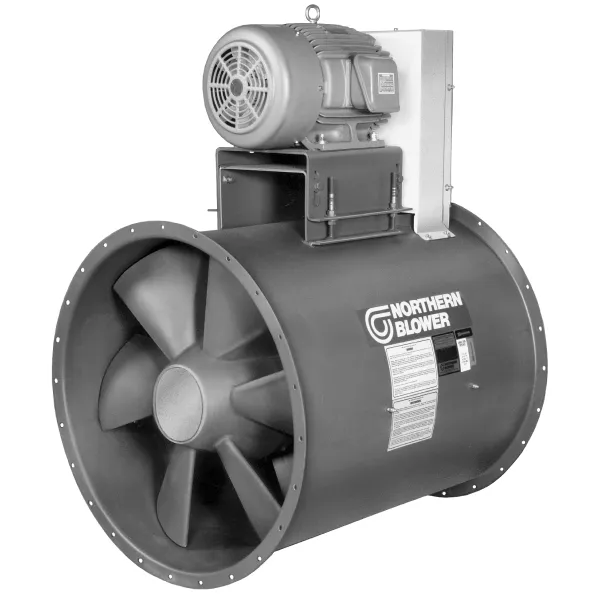

Working in your shop can create a lot of dust. This isn’t just messy; it’s bad for your health and can make your tools wear out faster. Learning how to set up dust collection in your workshop is a smart move. It makes the air cleaner, keeps your space tidier, and helps your equipment last longer. Let’s go over the basics of getting a good dust collection system going.
Key Takeaways
- Understanding the basics of dust collection is important for workshop safety and health.
- Figure out what kind of dust your workshop makes and how much.
- Choose the right equipment for your dust collection needs.
- Proper setup and regular upkeep are key to a good system.
- VIMAX GLOBAL offers customizable air solutions for workshop dust control.
Understanding Workshop Dust Collection Essentials
The Critical Role of Dust Collection in Workshop Safety
Workshop dust isn’t just a nuisance; it’s a significant safety hazard. Fine particles, especially those generated from woodworking, metal grinding, or the processing of composite materials, can become airborne and pose significant risks. Inhaling these particles can lead to respiratory issues, from short-term irritation to long-term occupational diseases. Furthermore, combustible dusts, like those from certain woods or metals, can create explosive atmospheres if not properly managed. Implementing a robust dust collection system is not merely about cleanliness; it’s a fundamental aspect of maintaining a safe and compliant work environment. For businesses operating internationally, ensuring their dust collection systems meet export-ready standards is also a key consideration. Partnering with a manufacturer like VIMAX, known for its industrial quality and global reach, can provide the assurance needed for such operations.
Identifying Common Workshop Dust Sources
Understanding where dust originates is the first step in controlling it. Most workshops generate dust from a variety of processes:
- Machining operations, including cutting, sanding, routing, and planing, release fine particulate matter when working with wood, metal, plastics, and composites.
- Grinding and Polishing: These activities, particularly with metals and stone, create abrasive dust that can be harmful.
- Material Handling: Transferring raw materials, mixing compounds, or even sweeping can stir up settled dust.
- Demolition and Renovation: Older workshops undergoing upgrades may encounter dust from building materials like drywall, concrete, or insulation.
- Welding and Soldering: While often associated with fumes, these processes can also generate fine metallic dust particles.
Effective dust collection systems are designed to capture these particles at their source before they disperse into the air.
Health Implications of Airborne Workshop Dust
The health effects of breathing workshop dust can range from mild to severe, depending on the type of dust and the duration of exposure. Short-term effects might include eye irritation, coughing, and throat discomfort. However, prolonged or repeated exposure can lead to more serious conditions:
- Respiratory Diseases: Conditions like silicosis (from silica dust), asbestosis (from asbestos), and various forms of occupational asthma can develop over time.
- Allergies and Sensitivities: Some individuals may develop or exacerbate allergies due to specific dust types.
- Systemic Effects: Certain fine metal dusts or chemical residues can be absorbed into the bloodstream, potentially affecting other organs.
A proactive approach to dust control, utilizing industrial-grade equipment, is vital for protecting worker health and ensuring long-term operational well-being. Collaborating with experienced manufacturers can help tailor solutions to specific dust profiles and workplace needs.
For businesses looking to establish or upgrade their dust collection infrastructure, understanding these essentials is paramount. VIMAX, for instance, provides export-ready, industrial-quality systems and works as a manufacturing partner to develop tailored solutions. If you have a specific project in mind or are exploring partnership opportunities, we encourage you to inquire about how our capabilities can support your goals.
Designing Your Workshop Dust Collection Strategy
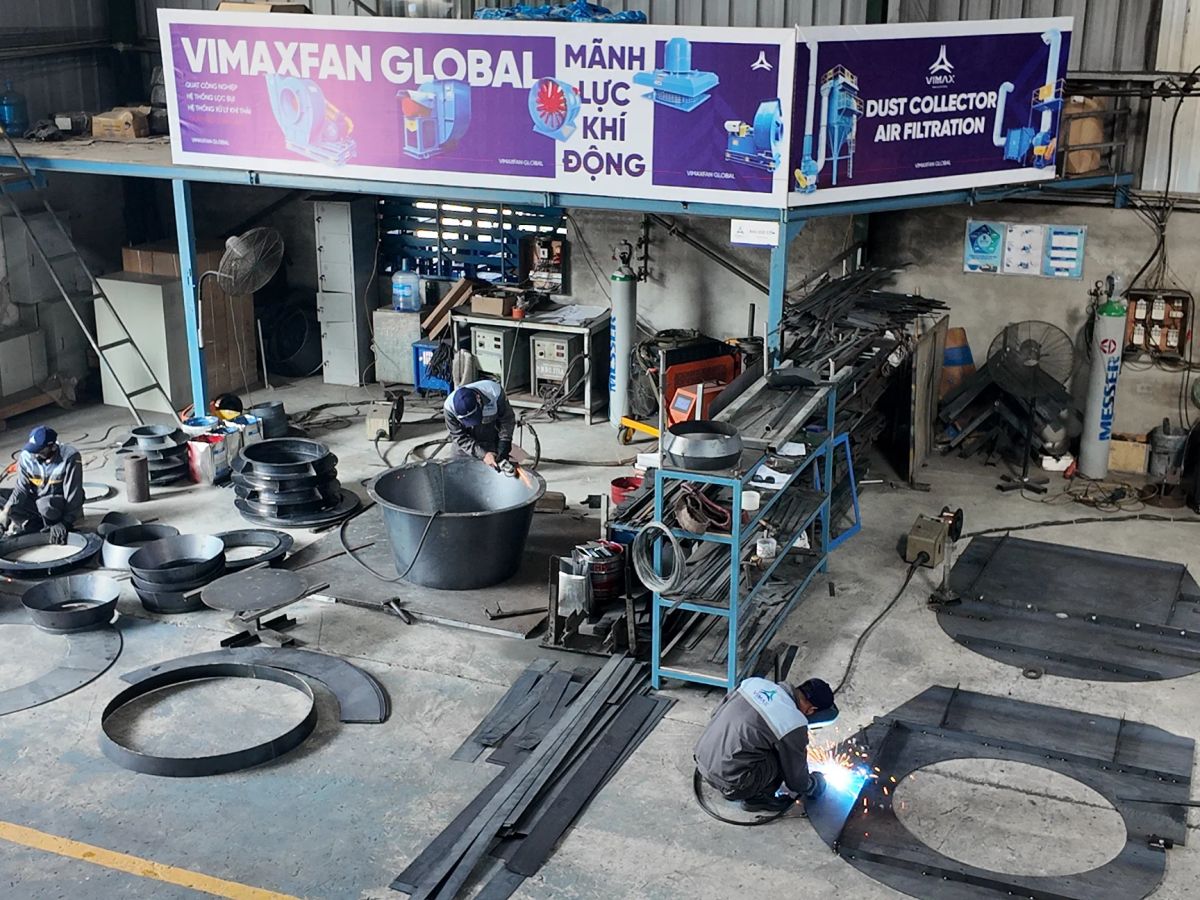
Developing an effective dust collection system requires a thoughtful approach, tailored to your specific operational needs. This isn’t a one-size-fits-all scenario; industrial quality and export readiness are key considerations when selecting equipment that will perform reliably.
Designing Your Workshop Dust Collection Strategy
Assessing Your Workshop’s Specific Needs
Before selecting any equipment, it’s important to understand the unique dust-generating activities within your workshop. Consider the types of machinery you operate, the materials you process, and the volume of work. For instance, woodworking operations will have different dust profiles than metal fabrication. A thorough assessment helps in determining the required airflow, static pressure, and filtration levels. This is where partnering with an experienced manufacturer like VIMAX can provide clarity, ensuring your system is designed for maximum efficiency and compliance with environmental standards. We help you identify the precise requirements for your setup, whether it’s for a single machine or an entire production line.
Selecting Appropriate Dust Collection Equipment
Choosing the right equipment is paramount for a successful dust collection strategy. This involves selecting components that meet industrial standards and are built for longevity. Key equipment categories include:
- Dust Collectors: Centralized units designed to capture and filter dust from multiple sources.
- Industrial Fans: High-performance fans are critical for moving air and dust efficiently through the system. VIMAX offers a range of factory exhaust fans built for demanding industrial settings.
- Ductwork and Fittings: Properly sized and routed ducting is essential for maintaining optimal airflow and minimizing energy loss.
- Filtration Media: Selecting the correct filters ensures effective capture of fine particles, protecting both worker health and the environment.
When evaluating options, look for robust construction, high-efficiency filtration, and ease of maintenance. As a manufacturing partner, VIMAX focuses on delivering solutions that are not only effective but also export-ready, meeting international quality benchmarks.
Determining Optimal System Placement and Layout
The physical arrangement of your dust collection system significantly impacts its performance. Consider:
- Proximity to Dust Sources: Shorter duct runs from machinery to the collector generally result in better airflow and less dust settling in the ducts.
- Airflow Dynamics: The layout should promote smooth, unimpeded airflow, avoiding sharp bends or constrictions that can reduce efficiency.
- Accessibility for Maintenance: Ensure all components, including the dust collector, filters, and ductwork connections, are easily accessible for cleaning and repairs.
- Integration with Workflow: The system should not impede the movement of materials or personnel within the workshop.
Proper system design, including considerations for wood dust extraction systems, is vital for creating a safe and productive work environment. We collaborate with clients to engineer layouts that are both functional and efficient, ensuring your investment provides long-term benefits. If you have a specific project in mind, we encourage you to inquire about our tailored design services.
Implementing Effective Dust Collection Systems
Setting up a dust collection system is more than just adding a vacuum; it’s about creating a robust, integrated solution for a healthier and more productive workshop. For businesses and engineers focused on industrial quality and export readiness, the approach needs to be systematic and reliable. At VIMAX, we understand that effective dust collection is built on proper connections, consistent airflow, and secure components. We partner with you to engineer systems that meet stringent performance requirements.
Connecting Machinery to the Collection System
The first step in implementation is ensuring each dust-generating machine is properly linked to your central collection system. This involves selecting the right ductwork, fittings, and blast gates. The goal is to create a sealed pathway that efficiently moves dust from the source to the collection point with minimal loss. For industrial applications, consider materials like heavy-gauge steel or robust PVC that can withstand the abrasive nature of workshop dust and the demands of continuous operation. Proper sizing of ductwork is also key; undersized ducts restrict airflow, while oversized ones can lead to dust settling within the pipes. We help design these connections to optimize performance for your specific machinery.
Ensuring Proper Airflow and Filtration
Once connected, the system’s performance hinges on maintaining adequate airflow and effective filtration. Airflow is typically measured in Cubic Feet per Minute (CFM), and each machine connection needs sufficient CFM to draw dust away effectively. This is where industrial-grade fans, like those we manufacture at VIMAX, play a critical role. They are designed for high static pressure and continuous duty, which is vital for moving dust through ductwork and filters. Filtration is equally important. High-efficiency particulate air (HEPA) filters or equivalent industrial-grade filters are necessary to capture fine dust particles, preventing them from recirculating into the workshop air. We engineer our systems with filtration in mind, offering solutions that meet rigorous air quality standards for various industries, including Electronics & Optics.
Securing and Maintaining Collection Components
Finally, the physical installation and ongoing upkeep of your dust collection system are paramount. All components – from the dust collector unit itself to the ductwork and blast gates – must be securely mounted to prevent vibration-induced leaks or damage. Regular maintenance is not just about cleaning; it involves inspecting connections, checking filter integrity, and ensuring the fan motor is running smoothly. A well-maintained system operates efficiently, extends the life of its components, and provides consistent protection. As a manufacturing partner, VIMAX provides support to ensure your system remains in peak condition. If you have a project in mind or are looking for a reliable partner for your dust collection needs, we encourage you to inquire about our tailored solutions.
Optimizing Your Dust Collection for a Healthier Environment
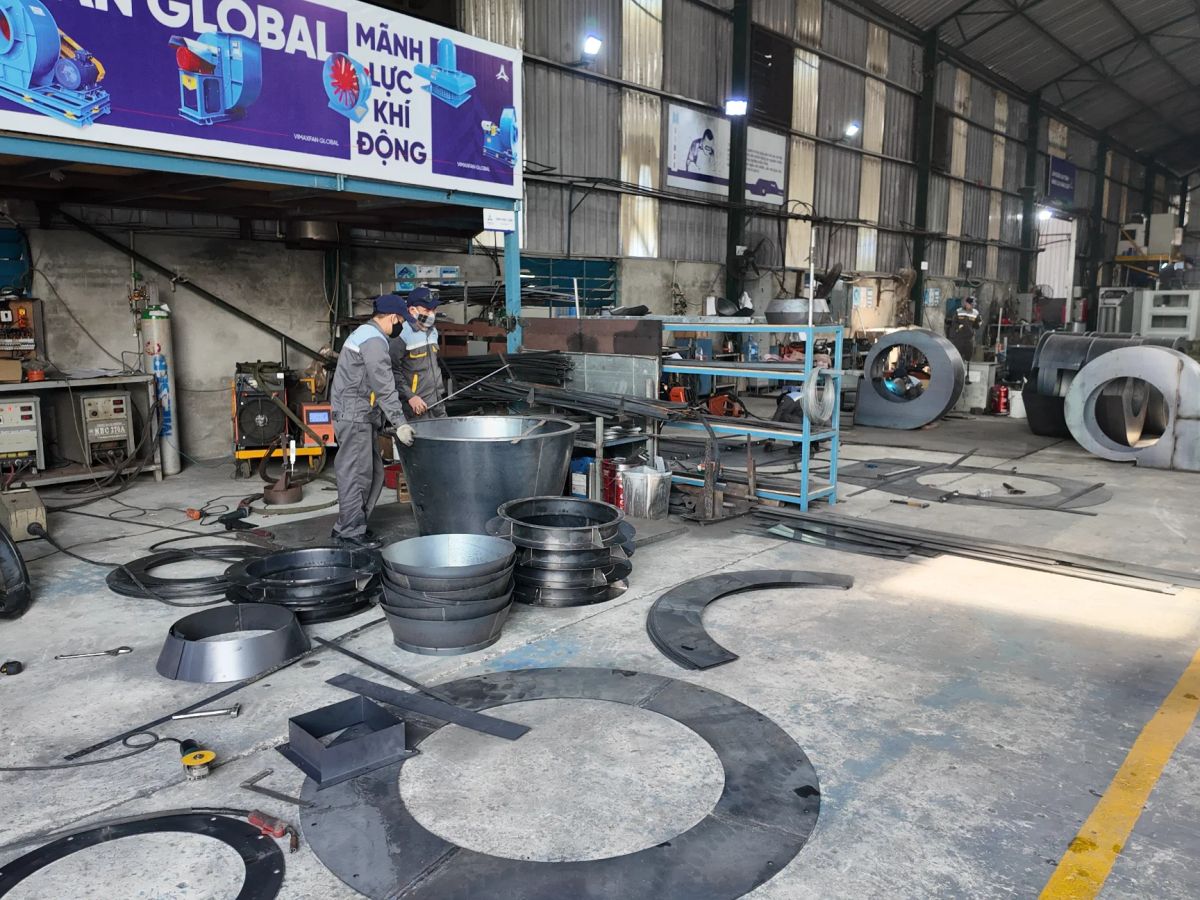
Achieving and maintaining a clean workshop environment goes beyond the initial setup of your dust collection system. It requires a commitment to ongoing optimization, ensuring peak performance and adapting to evolving needs. For businesses and engineers focused on industrial quality and export readiness, this means treating dust collection not as a static installation, but as a dynamic process.
Optimizing Your Dust Collection
Regular Maintenance for Peak Performance
Consistent upkeep is the bedrock of an effective dust collection system. Neglecting routine checks can lead to reduced efficiency, increased energy consumption, and potential health hazards. A proactive maintenance schedule should include:
- Filter Inspection and Replacement: Clogged filters drastically reduce airflow and collection efficiency. Regularly inspect filters for damage and replace them according to manufacturer recommendations or based on pressure drop readings. For industrial applications, consider the longevity and filtration capabilities of high-quality filters.
- Bag/Canister Cleaning or Replacement: Dust bags or canisters need regular emptying or replacement to maintain optimal suction. Ensure seals are intact to prevent dust leakage.
- Hose and Ductwork Checks: Inspect all ducting for leaks, blockages, or damage. Leaks reduce airflow and can allow fine dust to escape back into the workshop environment. Consider robust, industrial-grade ducting for durability and export readiness.
- Component Wear Assessment: Regularly check wear on impellers, motors, and other moving parts. Early detection of wear can prevent costly breakdowns and ensure the longevity of your equipment.
Upgrading Components for Enhanced Efficiency
As your workshop operations evolve or as new technologies emerge, upgrading key components can significantly boost your dust collection system’s performance. Consider:
- Higher Efficiency Filters: Transitioning to filters with a higher MERV rating or HEPA filtration can capture finer particles, improving air quality substantially. This is particularly important for industries with strict air quality standards.
- Variable Speed Drives (VSDs): Implementing VSDs on dust collection fans allows for precise control over airflow, matching system performance to current machine usage. This saves energy and reduces wear on the motor.
- Improved Ducting Materials: Upgrading to smoother, more durable ducting materials can reduce air resistance and static buildup, improving airflow and minimizing maintenance.
Collaborative Approaches to Workshop Air Quality
Creating a truly healthy workshop environment is a shared responsibility. Engaging your team in the process and fostering a culture of awareness can lead to better outcomes. As a manufacturing partner, VIMAX GLOBAL works collaboratively with clients to tailor solutions that meet specific performance and environmental goals. We understand that each operation has unique challenges, and our engineering approach focuses on delivering customized, high-quality systems. Our commitment is to provide robust dust collection solutions that support a healthier, safer, and more productive workspace.
If you’re looking to optimize your workshop’s air quality or require industrial-grade dust collection systems designed for export, we invite you to inquire about your specific project needs. Partnering with VIMAX means gaining access to tailored air system solutions and dedicated support.
Advanced Considerations for Workshop Dust Control
Moving beyond the basics, optimizing your workshop’s air quality involves looking at more sophisticated methods and technologies. For businesses and engineers focused on industrial-grade solutions and export readiness, integrating advanced dust control is key to maintaining a healthy, productive environment and meeting stringent regulatory standards. As a manufacturing partner, VIMAX GLOBAL focuses on providing these advanced solutions.
Integrating Smart Technology for Monitoring
Modern dust collection systems can benefit greatly from smart technology. Sensors can be integrated to monitor airborne particulate levels in real-time, providing data on system performance and identifying areas where dust is still a concern. This data can inform adjustments to airflow, filter changes, and even the operational schedule of machinery. Automated monitoring systems help maintain optimal air quality with minimal manual intervention. This proactive approach is vital for industries where air quality directly impacts product integrity or worker safety. Consider how smart sensors can provide continuous feedback on your dust collection system’s effectiveness, allowing for data-driven adjustments.
Exploring Sustainable Dust Management Practices
Sustainability is becoming increasingly important in all industrial operations. When it comes to dust collection, this means looking at energy-efficient equipment, such as high-efficiency industrial fans, and exploring ways to minimize waste. For example, some systems can be designed to capture and repurpose certain types of dust, turning a waste product into a resource. This not only reduces environmental impact but can also lead to cost savings. We believe in engineering solutions that are both effective and environmentally responsible. If you’re interested in sustainable air solutions, we encourage you to inquire about our capabilities.
Partnering for Tailored Air System Solutions
Every workshop has unique dust collection challenges. Partnering with an experienced manufacturer like VIMAX GLOBAL allows for the design and implementation of custom air systems that precisely meet your needs. Our engineering team utilizes advanced tools like CFD simulations and FEM analysis to create solutions that are optimized for performance, durability, and specific operational requirements. We work collaboratively with our clients to develop systems that align with their production goals and environmental objectives. Our commitment is to provide industrial-quality, export-ready systems that offer long-term value. Reach out to us to discuss your specific project requirements or explore potential partnerships for advanced dust control solutions.
Keeping your workshop clean from dust is super important. We’ve got some great tips for advanced ways to control dust, making your workspace safer and healthier. Want to learn more about keeping your air clean and your projects running smoothly? Visit our website for all the details and solutions.
A Healthier Workshop, A Better You
So, we’ve gone over how to get a dust collection system set up in your workshop. It might seem like a lot at first, but taking these steps makes a difference for your health and the air you breathe while you work. A cleaner space means less worry about what you’re inhaling, letting you focus more on your projects. For businesses looking for reliable air solutions, partnering with experts who understand these needs is key. Companies like VIMAX GLOBAL, with their focus on custom designs and quality manufacturing, can provide the robust systems needed for any industrial setting, ensuring both a healthier environment and efficient operation. Investing in good dust collection is an investment in your well-being and the quality of your work.
Read more: Understanding the Mechanics: How Do Industrial Dust Collectors Work?