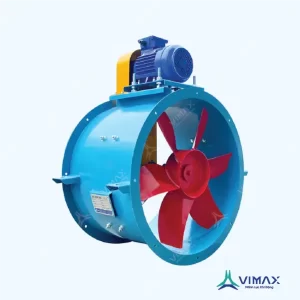
Efficient Airflow for Industrial Cooling and Ventilation

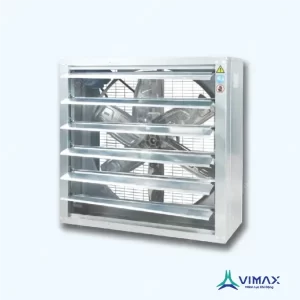
VIMAX axial fans offer large airflow capacity with low-to-medium pressure, perfect for ventilation, cooling, and air circulation in factories, warehouses, and agricultural facilities. Designed for high-volume, efficient performance, our axial fans help maintain safe, comfortable, and energy-efficient working environments.

Explore Applications

Application Recommended VIMAX System
Factory Cooling and Ventilation Cooling System
Greenhouse and Agricultural Ventilation Cooling System
Poultry and Livestock Farm Air Movement Cooling System
Large Warehouse Ventilation Cooling System
Construction Site Ventilation Cooling System
Food Steam and Heat Extraction Food Steam & Heat Extraction System

Overview of Industrial Axial Fans

Industrial axial fans are essential air-moving devices designed to deliver large volumes of airflow at relatively low pressure. They are widely used in factories, warehouses, HVAC systems, and high-volume ventilation applications. Many businesses source equipment from reliable industrial axial fans manufacturers or general axial fan manufacturers to ensure stable performance, safety, and long service life. Depending on system requirements, clients can select from standard, high-pressure, high-temperature, or explosion-proof configurations.

Construction & Parts of Industrial Axial Fans

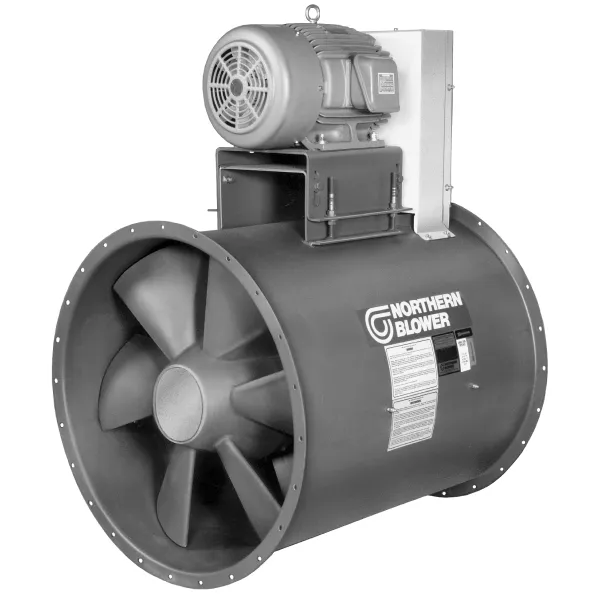
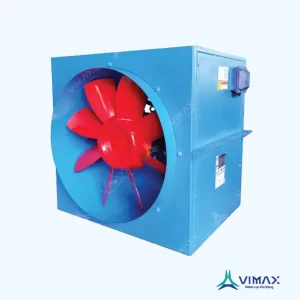
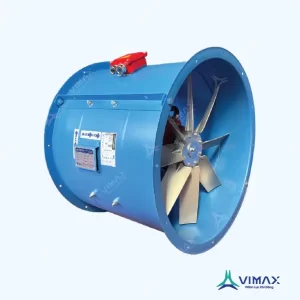
The parts of industrial fan systems typically include the fan casing, axial impeller, motor, hub, and protective grille. For demanding environments, a stainless steel axial fan provides better corrosion resistance and durability, making it suitable for kitchens, chemical plants, or outdoor ventilation setups. Larger production sites often use large axial fans to maintain stable airflow in wide spaces and high-capacity air-exchange systems.

Types of Industrial Axial Fans

Modern facilities require multiple types of axial fans, such as industrial axial flow fans and industrial axial flow fan systems designed for continuous ventilation. Manufacturers like each axial flow fan manufacturer provide diverse models for cooling machinery, supplying fresh air, or exhausting contaminated air.

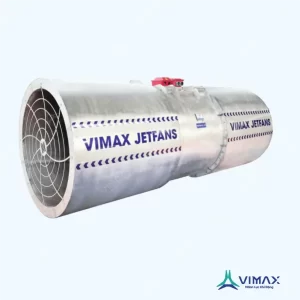
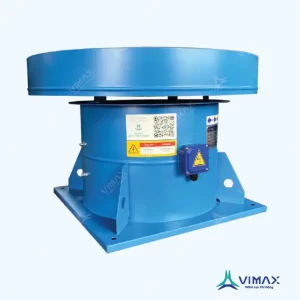
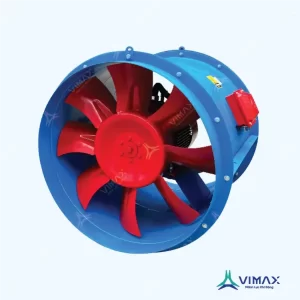
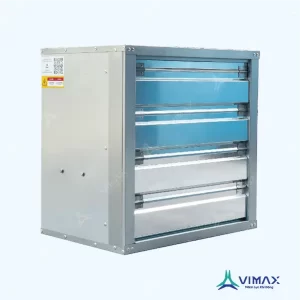
Additional common configurations include Aluminum Alloy Blade, Ducted, Jetfans, Roof Mounted, Round, và Square axial fan designs.

Industrial environments that involve fumes, heat, or smoke often use axial exhaust fans industrial or a more robust industrial axial exhaust fan for efficient extraction. For targeted airflow or compact spaces, operators may choose axial fan 24 inch models. In intensive applications, factories utilize high pressure axial fan systems or high temperature axial fan units. Hazardous zones may require an explosion proof axial fan, while heavy-duty extraction setups rely on extractor axial industrial fans or ventilator axial industrial models.

Installation & Technical Specifications

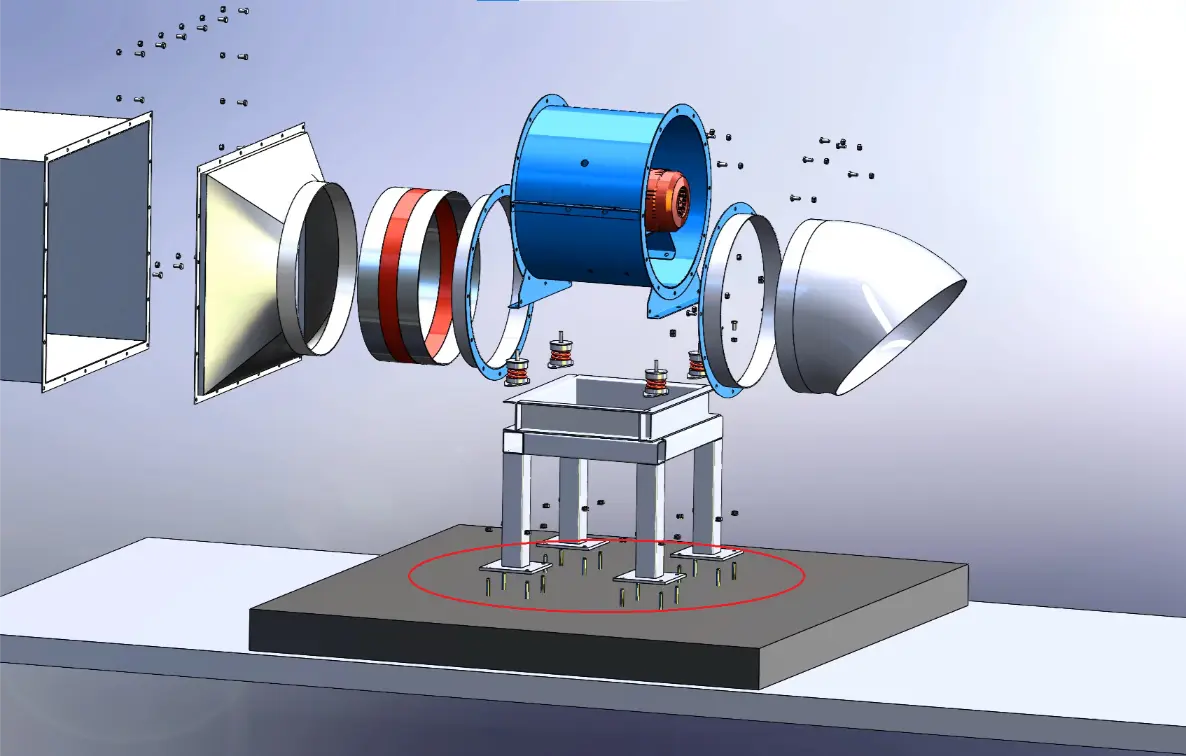
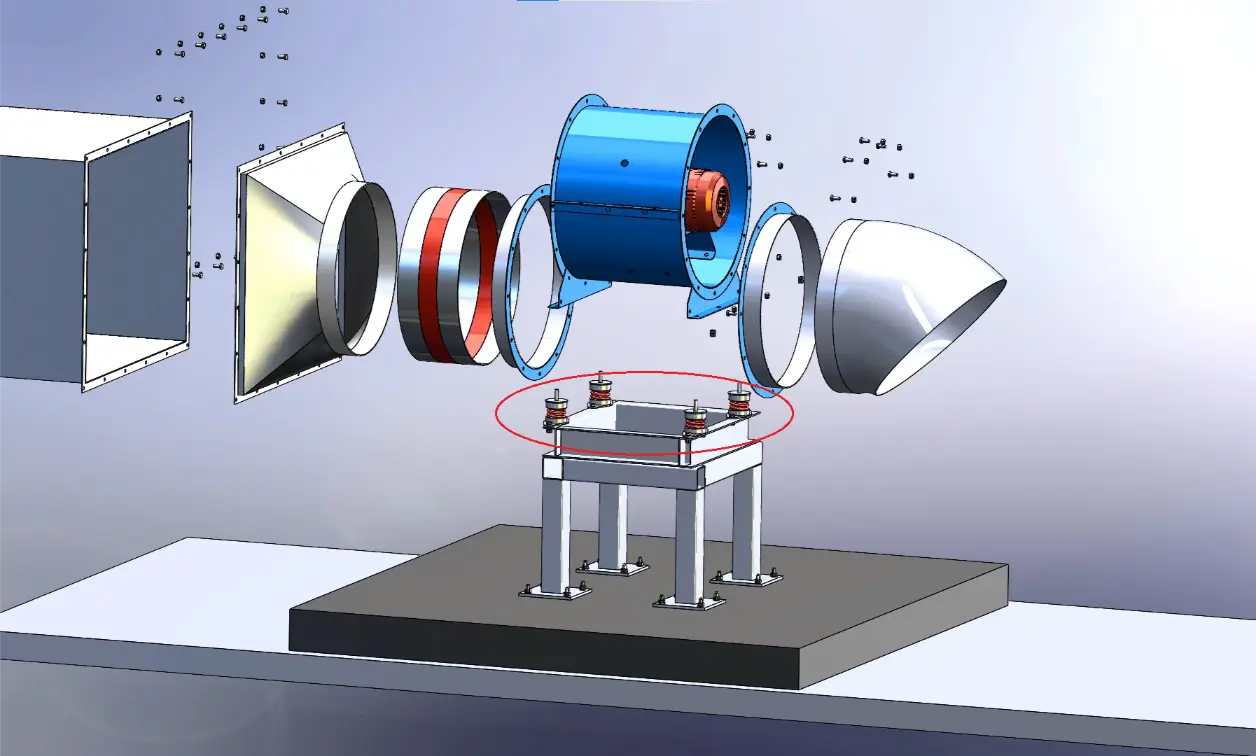
Proper installation is essential to ensure the performance, safety, and longevity of industrial axial fans. Units must be mounted on a stable structure, aligned accurately with ducting systems, and connected using vibration-isolating components to reduce noise and mechanical stress. Depending on the model—such as ducted, roof-mounted, or square/round housing—installation can involve wall mounting, rooftop anchoring, or integration into existing ventilation ducts.

Technical specifications typically include airflow capacity (CFM or m³/h), static pressure, motor power, voltage options, blade material, operating temperature range, and protection ratings. High-demand environments may require upgraded features such as stainless steel blades, thermal-resistant motors, explosion-proof housings, or compliance with international ventilation standards.

Installation Axial Fans - Vimax Step 1

 Step 1: Pour the concrete base for fan installation

Installation Axial Fans - Vimax Step 2

Step 2: Drill holes for anchor bolts and position the fan

Installation Axial Fans - Vimax Step 3

Step 3: Install the base plate into position, and weld the fan support shelf securely to the base plate

Installation Axial Fans - Vimax Step 4

Step 4: Install the vibration dampening springs onto the fan support shelf, and secure them in possition using nuts and bolts or by welding

Installation Axial Fans - Vimax Step 5

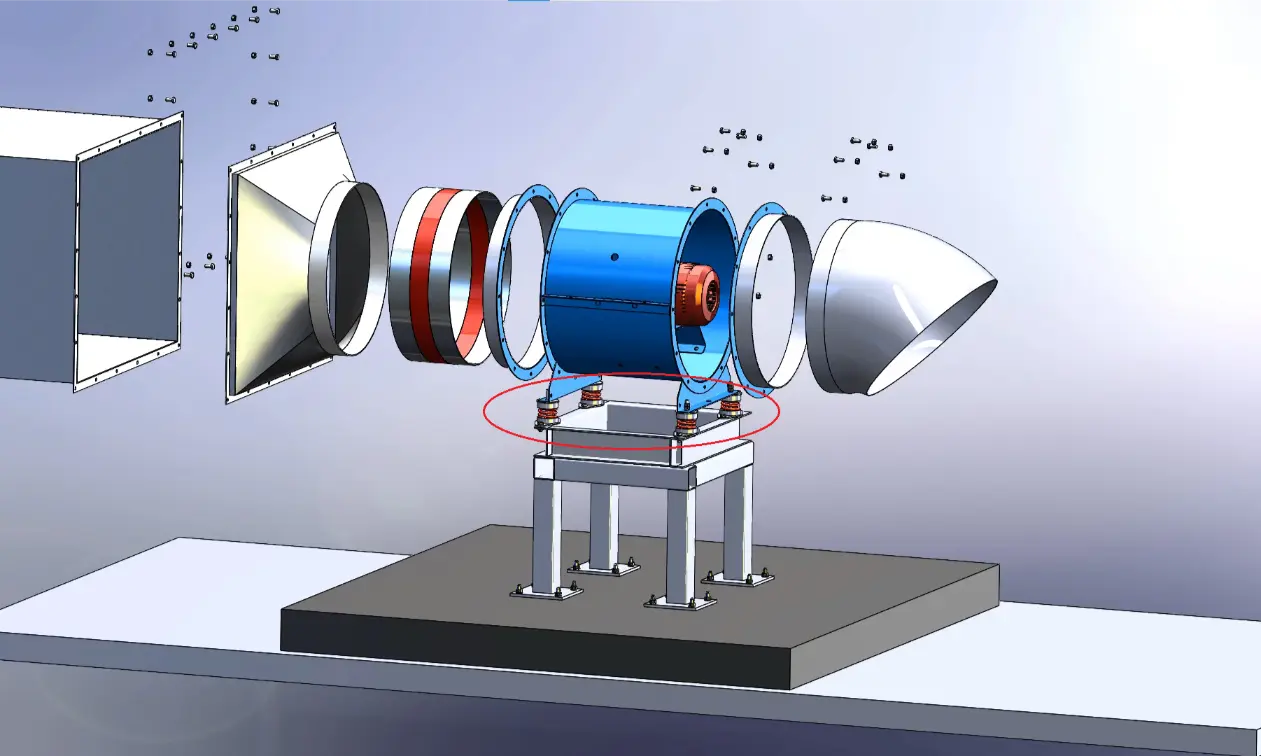
Step 5: Place the axial fan (the type with a base/pedestal) onto the pre-installed spring location

Installation Axial Fans - Vimax Step 6

Step 6: Install two nuts to secure the axial fan to the vibration dampening springs (or shock absorbers)

Installation Axial Fans - Vimax Step 7

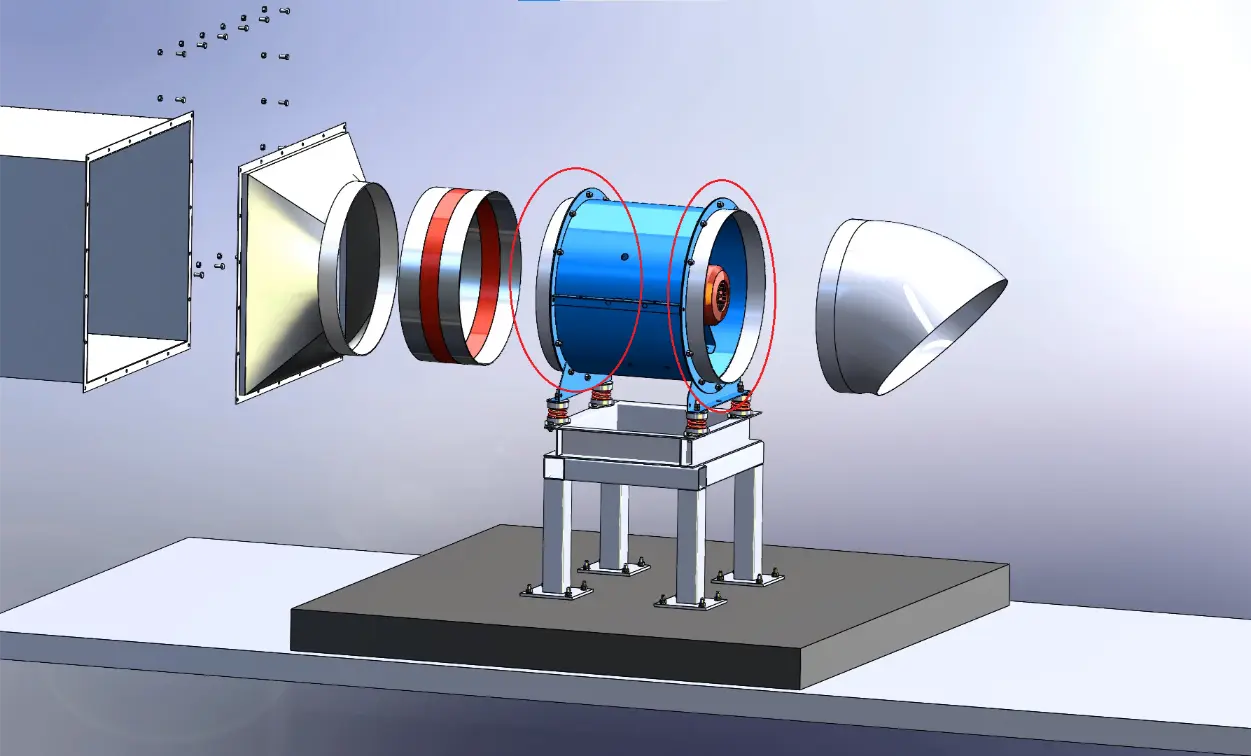
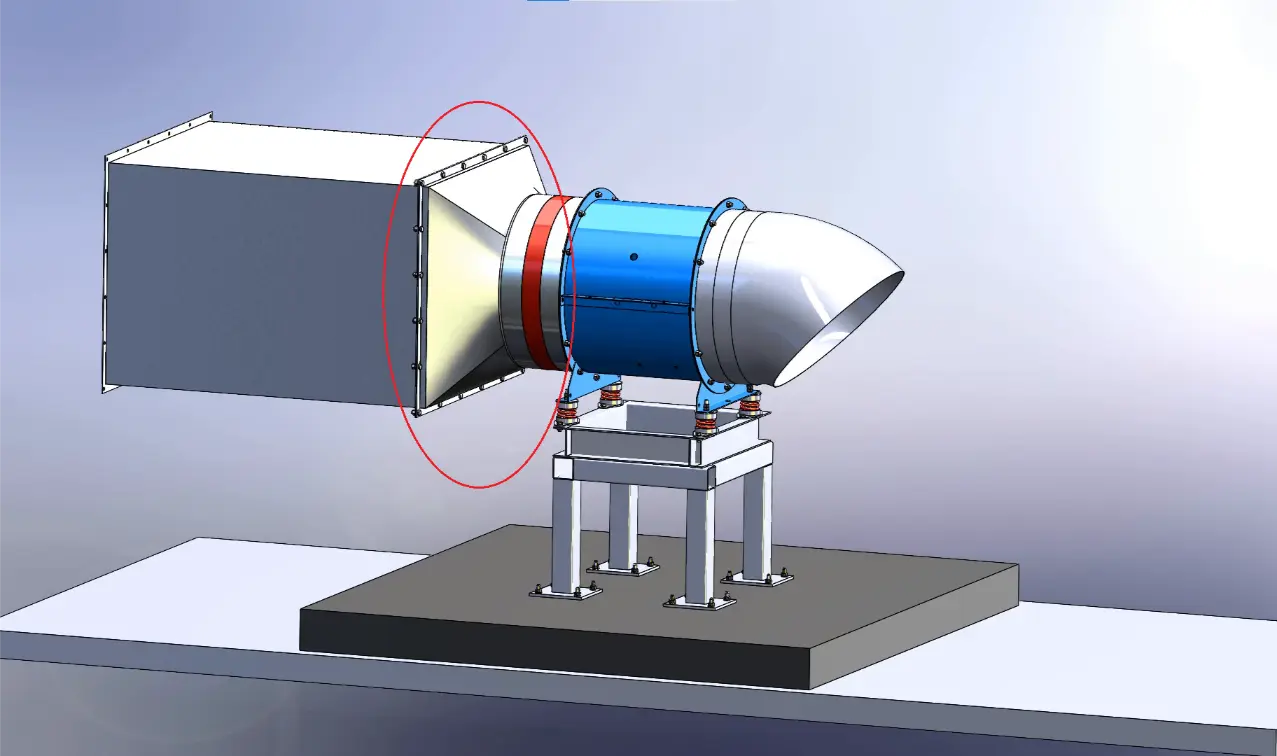
Step 7: Install two auxiliary flanges onto the two ends of the axial fan

Installation Axial Fans - Vimax Step 8

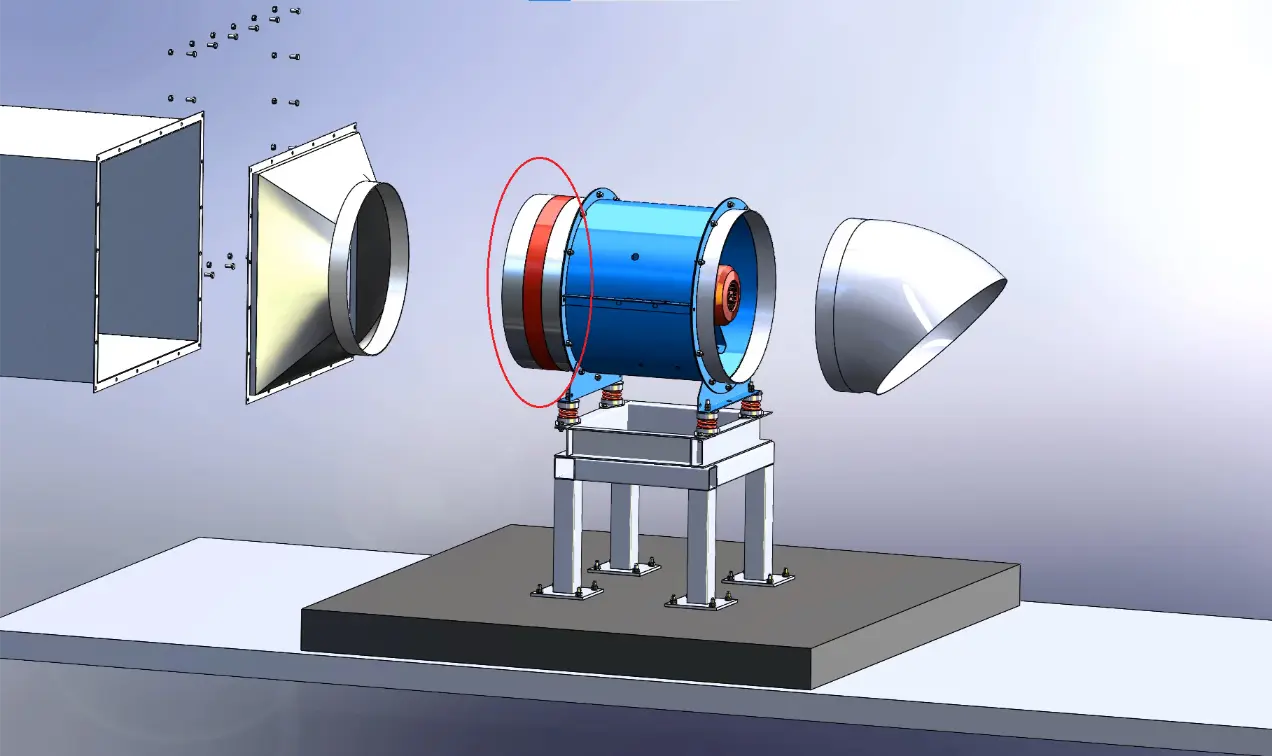
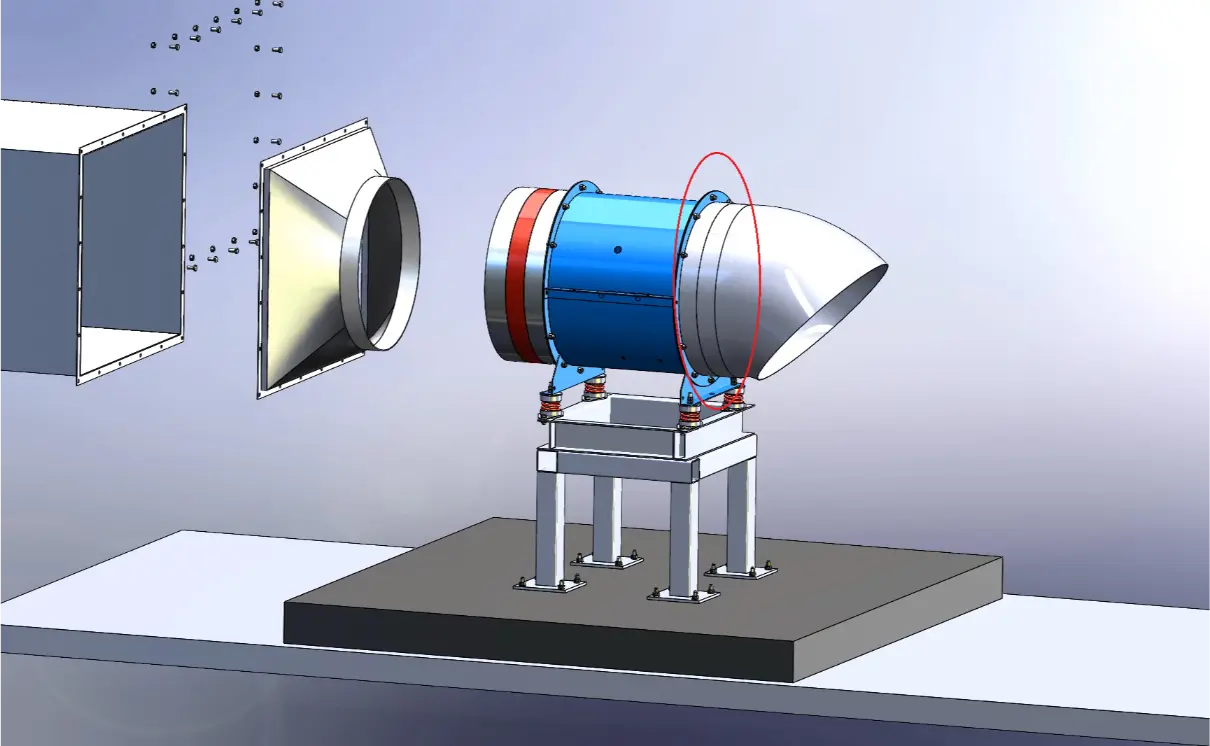
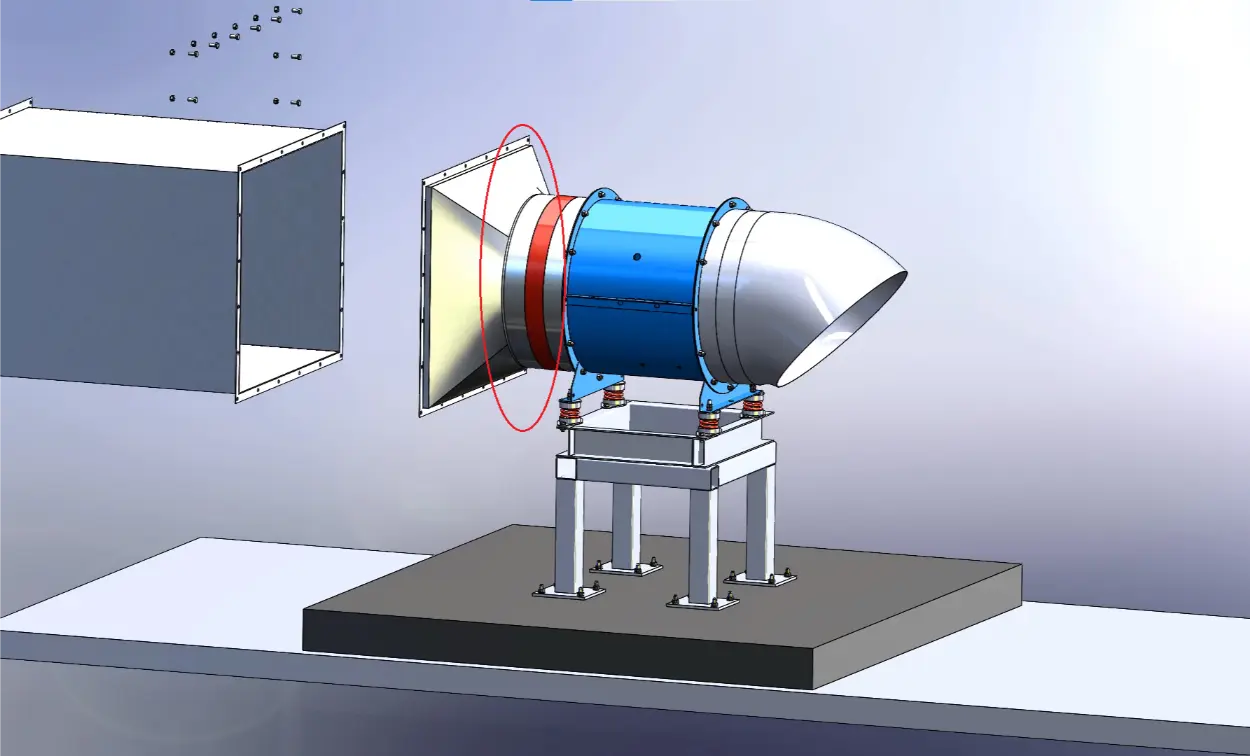
Step 8: Install the flexible anti-vibrantion joint and the rain cap/elbow onto the auxiliary flanges of the fan, along with the two duct reducer cones and secure them using self-drilling screws or nuts and bolts

Installation Axial Fans - Vimax Step 8

Step 9: Test run and inspect

Refer to the installation process of the auxiliary-mounted axial fan carried out by Vimax

Performance Theory & Fan Laws

The performance of axial fans is governed by axial fan laws, which define how airflow, pressure, and power change with fan speed or impeller size. Understanding these laws allows engineers to choose the right industrial axial fan for energy efficiency, noise control, and system compatibility across ventilation projects.

Showing all 8 results

Industrial Axial Fans Manufacturer & Supplier for Industrial Applications


Have a specific question we didn’t answer?

An axial fan is an industrial fan that moves air along its axis, commonly used as industrial axial fans for ventilation, cooling, and exhaust in factories and commercial spaces.


Axial fans are used for industrial ventilation, cooling, exhaust, and air circulation, commonly as industrial axial fans, industrial axial flow fans, or industrial axial exhaust fans in factories, warehouses, and commercial facilities.


An axial fan works by using a rotating impeller to move air parallel to the fan’s axis, creating a continuous airflow. Industrial axial fans convert mechanical energy from the motor into airflow for ventilation, cooling, or exhaust in factories, warehouses, and other industrial applications.


Yes. Our fans follow ISO 9001, ISO 45001, and AMCA standards. We also consider OSHA and NFPA guidelines.

Whether an axial fan or a centrifugal fan is better depends on the application. Axial fans provide high airflow at low pressure, making them ideal for general ventilation and cooling. Centrifugal fans generate higher pressure and are better suited for dust extraction, long duct runs, and high-resistance systems. Choosing the right type depends on airflow, pressure requirements, and system layout.