


It’s all thanks to the dust collection system. These setups are pretty important for keeping workers safe and machines running smoothly. We’re going to break down exactly how a dust collection system work, from the big parts to the nitty-gritty details of how it cleans the air.
Key Takeaways
- Dust collection systems use fans to pull dirty air away from work areas.
- Filters are the main part that catches the dust and debris.
- The collected dust goes into special bins or bags for disposal.
- System efficiency depends on things like air speed and the size of dust particles.
- Proper design and testing are vital for a system to work well and meet safety rules.
Understanding The Core Components Of Dust Collection Systems
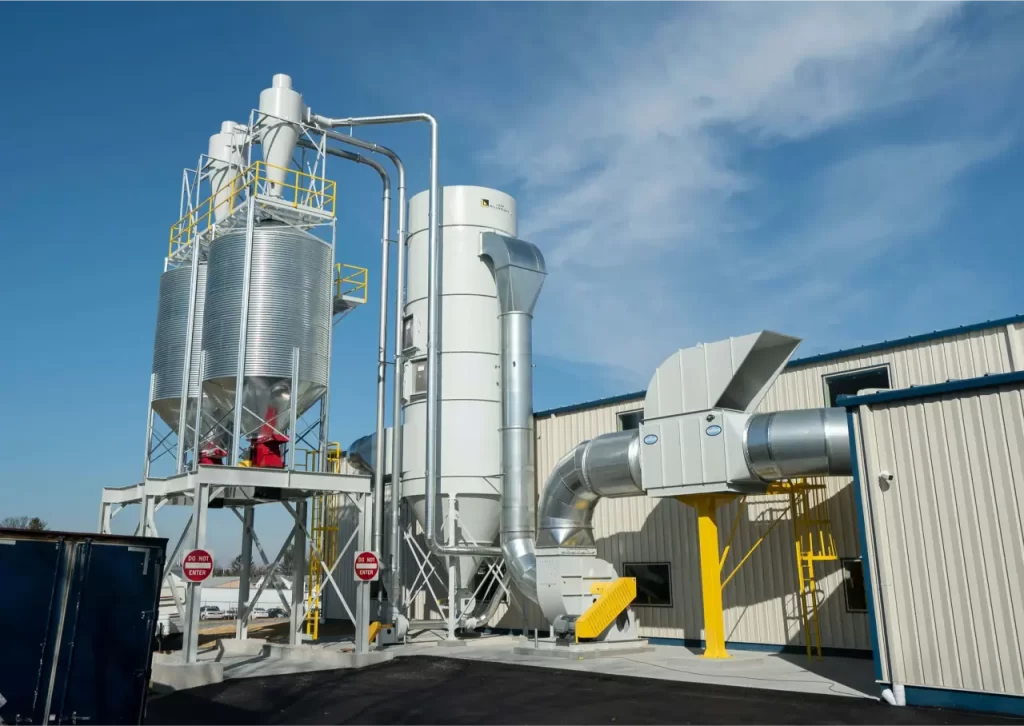
A dust collection system is built from several key parts that work together to clean the air in an industrial space. Understanding these components is the first step to appreciating how these systems keep workplaces safe and productive. As a manufacturing partner, VIMAX GLOBAL focuses on building robust systems with high-quality components.
The Role Of The Fan In Airflow Dynamics
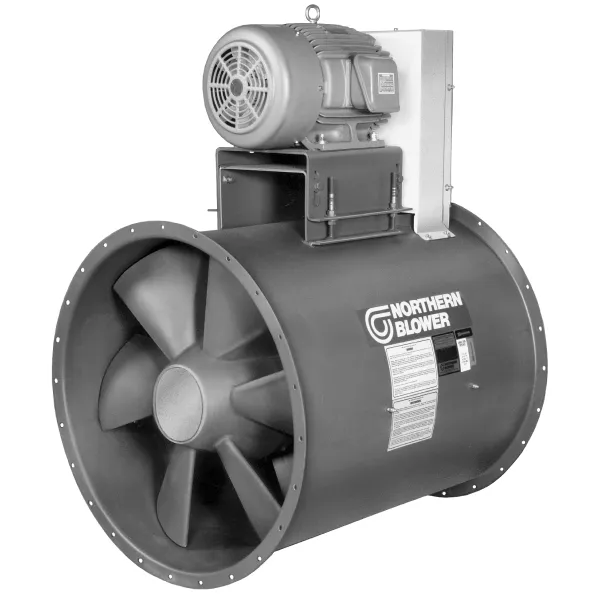
The fan is the engine of the dust collection system. It creates the suction needed to pull contaminated air from the workspace into the system. The fan’s design and power directly influence the system’s ability to capture dust effectively. Industrial-grade fans are built for continuous operation and high airflow volumes, making them suitable for demanding environments. We engineer our fans to meet specific airflow requirements for various applications, ensuring optimal performance. If you have a specific airflow challenge, we encourage you to inquire about our custom fan solutions.

The Role Of The Fan In Airflow Dynamics
Filtration Media: The First Line Of Defense
Filtration media, often in the form of bags or cartridges, is where the actual dust removal happens. These materials are designed with specific pore sizes to trap airborne particles while allowing clean air to pass through. The choice of filter media depends on the type and size of dust being collected. High-quality filtration is vital for meeting environmental standards and protecting worker health. VIMAX GLOBAL selects durable, efficient filtration media that can withstand industrial conditions and provide long service life. Proper filtration is a cornerstone of effective dust collection systems.
Collection Receptacles For Captured Particulates
Once dust is captured by the filters, it needs to be stored. Collection receptacles, such as bins or hoppers, are designed to hold the accumulated dust. These are typically located at the bottom of the dust collector. The design of the receptacle affects how easily and safely the collected dust can be removed. For industrial applications, these receptacles are often robust and may include features for easy emptying or dust-tight sealing. We design our collection systems with practical maintenance in mind, making dust disposal straightforward and safe. Let’s discuss how our collection solutions can fit your operational needs.
The Process Of Capturing Airborne Contaminants
A dust collection system operates through a series of coordinated steps to effectively remove particulate matter from the air. This process begins with the initiation of airflow, typically driven by a powerful fan. This fan creates a negative pressure, drawing ambient air, along with any suspended dust or contaminants, into the system through strategically placed suction points or hoods. These points are usually located at the source of dust generation, such as woodworking machinery or manufacturing equipment, to capture particles before they disperse into the workspace.
Initiating Airflow Through Suction Points
Once the system is activated, the fan begins to move air. This movement is critical for creating the suction necessary to pull airborne particles into the ductwork. The design of these suction points, or hoods, is vital for maximizing capture efficiency. They are engineered to create a focused airflow that envelops the dust source, preventing escape into the general environment. For industrial applications, custom-engineered hoods are often required to match the specific geometry and operation of machinery, ensuring optimal capture rates. We can help design these specialized solutions for your unique needs.
Transporting Dust Particles Via an Air Stream
After being drawn into the system, the dust-laden air travels through a network of ducts. The velocity of this air stream is carefully managed to ensure that the particles remain suspended and are transported efficiently to the filtration unit. If the velocity is too low, heavier particles may settle in the ducts, leading to blockages and reduced system performance. Conversely, excessively high velocities can increase energy consumption and wear on the system. Maintaining the correct air velocity is a key principle for effective dust collection, and VIMAX GLOBAL’s industrial fans are designed for this precise control, supporting your Electronics & Optics sector needs.
Separating Contaminants From Clean Air
The final stage involves separating the captured dust from the clean air. This is primarily achieved through the filtration media. As the air passes through filters, such as bag filters or cartridge filters, the dust particles are trapped on the filter surface. The clean air then continues its path, often being recirculated back into the workspace or exhausted outdoors, depending on the system’s design and regulatory requirements. The efficiency of this separation process is paramount for maintaining air quality and protecting worker health. We engineer our filtration systems to meet stringent global standards, ensuring your facility remains compliant and safe.
Key Principles Governing System Operation
Understanding the core principles behind dust collection systems is vital for any industrial operation aiming for efficiency, safety, and compliance. These systems rely on a few key physical concepts to effectively remove airborne contaminants. As a manufacturing partner, VIMAX GLOBAL focuses on these principles to engineer robust and reliable solutions.
Air Velocity and Its Impact on Collection Efficiency
Air velocity, often measured in feet per minute (FPM), is a critical factor in how well a dust collection system captures particles. Too low a velocity, and heavier dust particles won’t be lifted from surfaces or carried into the hoods. Too high, and you might experience excessive wear on ductwork and components, or even cause finer particles to become re-entrained in the airstream. Finding the right balance is key to effective dust capture. For many applications, maintaining velocities between 3,500 and 4,500 FPM in the main ducts is a common target, though specific requirements can vary based on the type of dust and the process.
Pressure Differentials Driving Air Movement
Dust collection systems operate on the principle of pressure differentials. The fan creates a low-pressure area, drawing air from the surrounding environment through the collection hoods and ductwork. This pressure difference, often measured in inches of water gauge (in. w.g.), is what drives the airflow. Understanding these pressure dynamics is important for system design and maintenance. A properly designed system will have a predictable pressure drop across the filters and ducting, allowing the fan to move the required volume of air efficiently. We engineer our systems with precise calculations to manage these differentials effectively, ensuring optimal performance for your specific needs. If you’re looking to optimize your existing setup or design a new one, inquiring about our custom dust collection solutions can provide clarity.
Particle Size and Its Influence on Filtration
The size of the dust particles being collected directly influences the type of filtration media required. Smaller particles, often in the sub-micron range, demand finer filtration to be captured effectively. Larger, heavier particles might be captured by less dense media or even through inertial separation in the ductwork. The choice of filter material, whether it’s a fabric bag or a cartridge filter, is determined by the particle size distribution and the required air quality. VIMAX GLOBAL utilizes advanced filtration technologies to handle a wide range of particle sizes, meeting stringent environmental standards. Let’s discuss how our tailored solutions can address your unique dust challenges.
Optimizing Performance Through System Design
Achieving peak performance in a dust collection system isn’t a one-size-fits-all scenario. It requires a thoughtful approach to design, tailored specifically to the unique demands of your industrial application. At VIMAX, we understand that a generic solution rarely meets the complex needs of modern manufacturing and processing environments. Our engineering team collaborates closely with clients to develop systems that are not only effective but also compliant with stringent safety and environmental regulations.
Customization For Specific Industrial Applications
Every industry faces distinct challenges when it comes to airborne contaminants. Whether it’s fine metal dust in machining, organic particles in food processing, or chemical fumes in manufacturing, the collection method and filtration media must be precisely matched to the material being handled. For instance, the food and beverage sector requires systems that maintain hygiene and prevent cross-contamination, often needing specialized fans designed for such environments [bd69]. We engineer solutions that consider factors like particle size, concentration, temperature, and the specific chemical properties of the dust to ensure optimal capture and filtration.
Ensuring Workspace Safety And Compliance
Beyond efficiency, a well-designed dust collection system is paramount for worker safety and regulatory compliance. Our systems are built to meet or exceed industry standards, minimizing exposure to hazardous particulates and creating a healthier work environment. This includes selecting appropriate filtration technologies, such as those employing pulse cleaning [f02b], to maintain consistent airflow and prevent filter blinding, which can compromise system performance and safety. We also focus on robust construction and reliable operation, aspects critical for export readiness and long-term industrial use.
Achieving Environmental Standards Through Filtration
Environmental stewardship is a core consideration in modern industrial operations. Our dust collection systems are designed to achieve high levels of air purity, helping your facility meet or surpass local and international environmental regulations. This involves selecting the right filtration media and ensuring the system’s capacity is adequate for the volume and type of dust generated. By partnering with VIMAX, you gain access to advanced engineering capabilities that translate into sustainable, compliant, and efficient air quality management. We invite you to inquire about your specific project needs or explore potential partnerships with us.
Collaborative Engineering For Tailored Solutions
Addressing Unique Challenges Across Industries
Every industrial setting presents its own set of dust and particulate challenges. What works for a woodworking shop might not be suitable for a metal fabrication facility or a food processing plant. At VIMAX, we recognize that a one-size-fits-all approach simply doesn’t cut it. Our engineering process begins with a deep dive into your specific operational environment. We examine the types of dust generated, the volume of air to be processed, the physical layout of your workspace, and any unique safety or regulatory requirements. This detailed understanding allows us to identify the most effective strategies for dust capture and filtration.
Meeting Specific Performance Goals
Beyond just removing dust, our systems are designed to meet precise performance metrics. This includes achieving target air velocities for effective capture, maintaining specific pressure differentials to drive airflow, and ensuring filtration media can handle the particle load without compromising system efficiency. We work with you to define these goals, whether it’s reducing airborne particulate to below a certain threshold, improving visibility on the shop floor, or protecting sensitive machinery. Our team uses advanced tools like Finite Element Analysis (FEM) and Computational Fluid Dynamics (CFD) simulations to predict system behavior and optimize design before manufacturing.
Designing For Long-Term Reliability
Industrial environments demand robust and dependable equipment. Our collaborative engineering process extends to designing for longevity and ease of maintenance. We select high-quality materials and components, many of which are designed for export and meet international standards, to withstand the rigors of continuous operation. VIMAX acts as your manufacturing partner, ensuring that the final dust collection system is not only effective but also built to last. We believe in creating solutions that provide a strong return on investment through reliable performance and minimal downtime. If you have a specific project in mind or are looking for a manufacturing partner for your air system needs, we encourage you to reach out and discuss how we can collaborate.
The Importance Of Quality Assurance In Air Systems
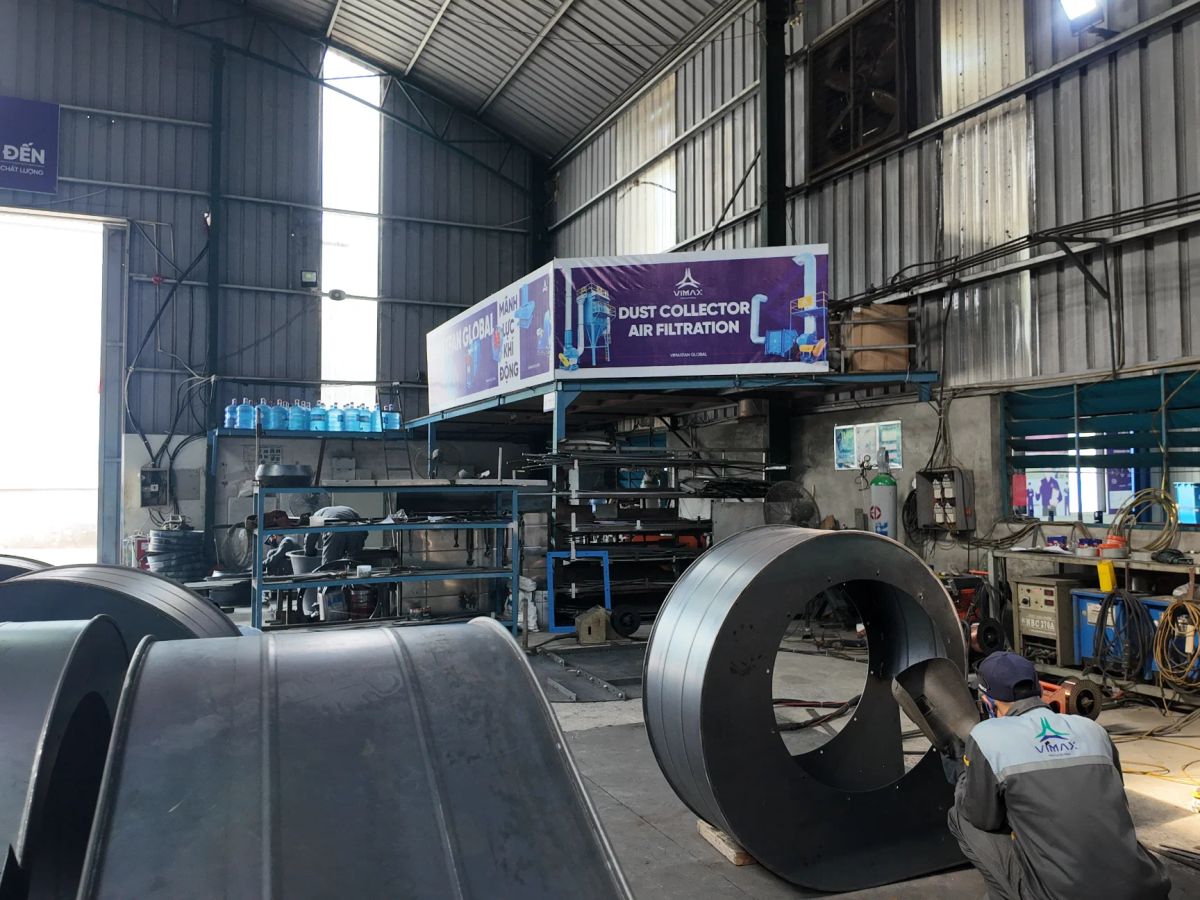
When it comes to industrial air systems, especially dust collection, quality assurance isn’t just a buzzword; it’s the bedrock of reliable operation, worker safety, and environmental compliance. At VIMAX, we understand that the performance of your dust collection system directly impacts your facility’s health and productivity. That’s why we place a strong emphasis on rigorous testing and adherence to global quality benchmarks throughout our manufacturing process. Our commitment to quality means you receive equipment that is not only effective but also built to last, minimizing downtime and maximizing operational efficiency.
The Importance Of Quality Assurance In Air Systems
Rigorous Testing For Peak Performance
Every component and every assembled system undergoes thorough testing before it leaves our facility. This includes performance validation, material integrity checks, and operational simulations. For example, we might test airflow rates against design specifications or verify the efficiency of filtration media under simulated load conditions. This meticulous approach helps us identify and rectify any potential issues, ensuring that the system you receive performs exactly as intended. We believe in proactive problem-solving, which is why our testing protocols are designed to catch even minor deviations.
Adherence To Global Quality Benchmarks
Operating in a global market means meeting international standards. VIMAX GLOBAL is dedicated to manufacturing products that align with recognized quality management systems and industry-specific regulations. This commitment is vital for our partners who operate in export markets or industries with strict compliance requirements. Whether it’s ISO certifications or specific regional standards, we ensure our products meet the necessary criteria. This global perspective is what makes us a reliable manufacturing partner for businesses worldwide.
Building Trust Through Precision Engineering
Trust is earned through consistent delivery of high-quality products. Our engineering and manufacturing teams work collaboratively, employing advanced techniques and quality control measures at every stage. From the initial design using tools like CFD simulation to the final assembly, precision is paramount. We aim to build long-term relationships with our clients by providing systems that are not only technically sound but also represent a sound investment in your facility’s future. If you’re looking for a partner who prioritizes quality and reliability in industrial air solutions, we invite you to inquire about your next project or explore potential partnerships with VIMAX.
Making sure air systems work right is super important. Good quality control means everything runs smoothly and safely. It helps prevent problems before they start, keeping your environment clean and healthy. Want to learn more about how we ensure top-notch air systems? Visit our website today!
Putting It All Together
So, we’ve walked through how dust collection systems pull in dirty air, clean it up, and send the fresh air back out. It’s a pretty neat process that keeps workplaces safer and healthier. Thinking about setting up or upgrading a system? It’s worth looking into how these systems can make a real difference. For businesses needing reliable air solutions, especially those looking for export-ready partners, exploring options from manufacturers like VIMAX GLOBAL is a smart move. They focus on creating custom systems that meet specific industry needs and global standards, which is exactly what you want when quality and performance matter.
Read more: How to Set Up Dust Collection in Your Workshop for a Healthier Environment