Ever wonder how factories keep the air clean? It’s all thanks to the dust collection system. These setups are pretty important for keeping workplaces safe and healthy. If you’re involved in manufacturing or managing industrial spaces, understanding how these systems work is a big deal. We’ll break down the basics, look at the parts involved, and talk about what makes them tick. Plus, we’ll touch on how to pick the right one for your needs, because let’s face it, a good system makes all the difference. This guide will help you get a clear picture of how a dust collection system works.
Key Takeaways
- Dust collection systems capture airborne particles to improve air quality and worker safety.
- Key parts include the main collector unit, filters that trap dust, and fans that move the air.
- The process involves drawing in dusty air, separating the dust through filters, and then releasing cleaner air.
- Different methods like cyclones, wet scrubbers, and electrostatic precipitators exist, each with its way of cleaning air.
- Proper upkeep, like checking filters and fan performance, is vital for keeping the system working well and efficiently.
Understanding The Fundamental Principles Of Dust Collection
The Core Objective: Safeguarding Air Quality
At its heart, any dust collection system is about protecting the air we breathe in industrial settings. The primary goal is to remove particulate matter from the air, preventing it from becoming airborne and inhaled by workers or released into the environment. This isn’t just about comfort; it’s about health and safety compliance. Fine dust particles, often invisible to the naked eye, can pose significant respiratory risks, leading to long-term health issues. By capturing these contaminants at the source, we create a safer workspace. For manufacturers and engineers focused on operational integrity and export readiness, a robust dust collection strategy is non-negotiable. Partnering with a seasoned manufacturer like Vimax ensures your air quality meets stringent international standards.
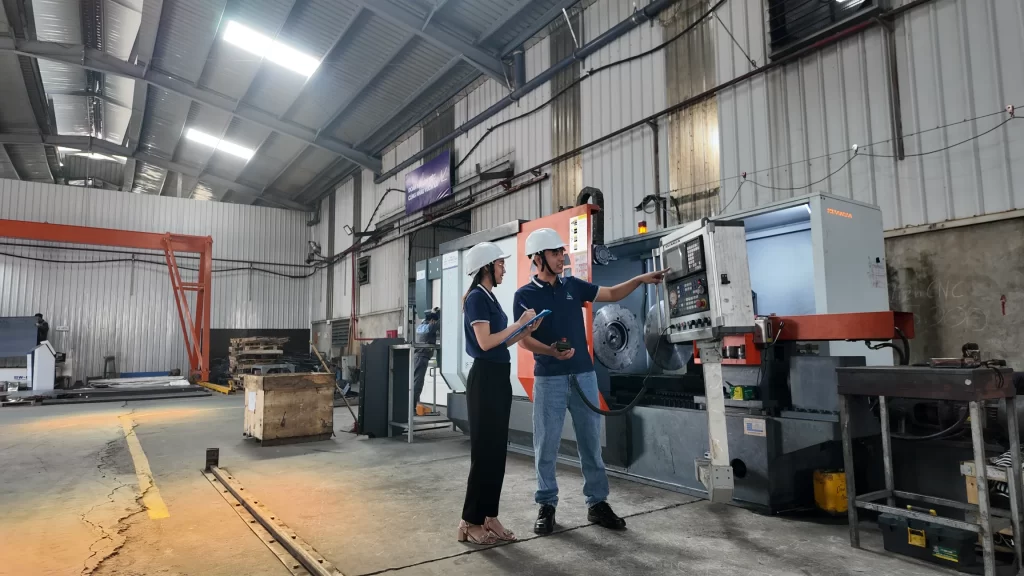
The primary goal is to remove particulate matter from the air
Identifying Airborne Contaminants In Industrial Settings
Different industries deal with different types of dust. Knowing what you’re collecting is key to choosing the right equipment. For example:
- Woodworking: Sawdust, wood chips, and fine wood dust.
- Metalworking: Metal shavings, grinding dust, and welding fumes.
- Chemical Processing: Powders, fine chemical particles, and potentially hazardous fumes.
- Food Production: Flour dust, sugar particles, and other fine food powders.
Understanding the specific characteristics of your airborne contaminants—like particle size, density, and combustibility—directly informs the design and effectiveness of your dust collection solution. This detailed knowledge is where Vimax’s manufacturing experience truly shines, helping you select the optimal approach for your unique challenges.
The Essential Role Of Airflow Dynamics
Airflow is the engine that drives dust collection. Without proper airflow, dust won’t reach the collector, or it will settle out prematurely. Key aspects include:
- Capture Velocity: The speed of air needed to pull dust into the hood or ductwork.
- Transport Velocity: The speed required to keep dust suspended in the ducts and moving towards the collector.
- System Pressure: The resistance within the system that the fan must overcome.
Maintaining the correct balance of these factors is critical. Too little airflow, and dust isn’t captured. Too much, and you waste energy and can cause excessive wear. Achieving optimal airflow dynamics is a hallmark of well-engineered systems, and a standard Vimax upholds in all our export-ready solutions. If you’re looking to optimize your dust collection system, understanding these airflow principles is your first step. We invite you to inquire about your specific project needs.
Key Components Driving Dust Collection Efficacy
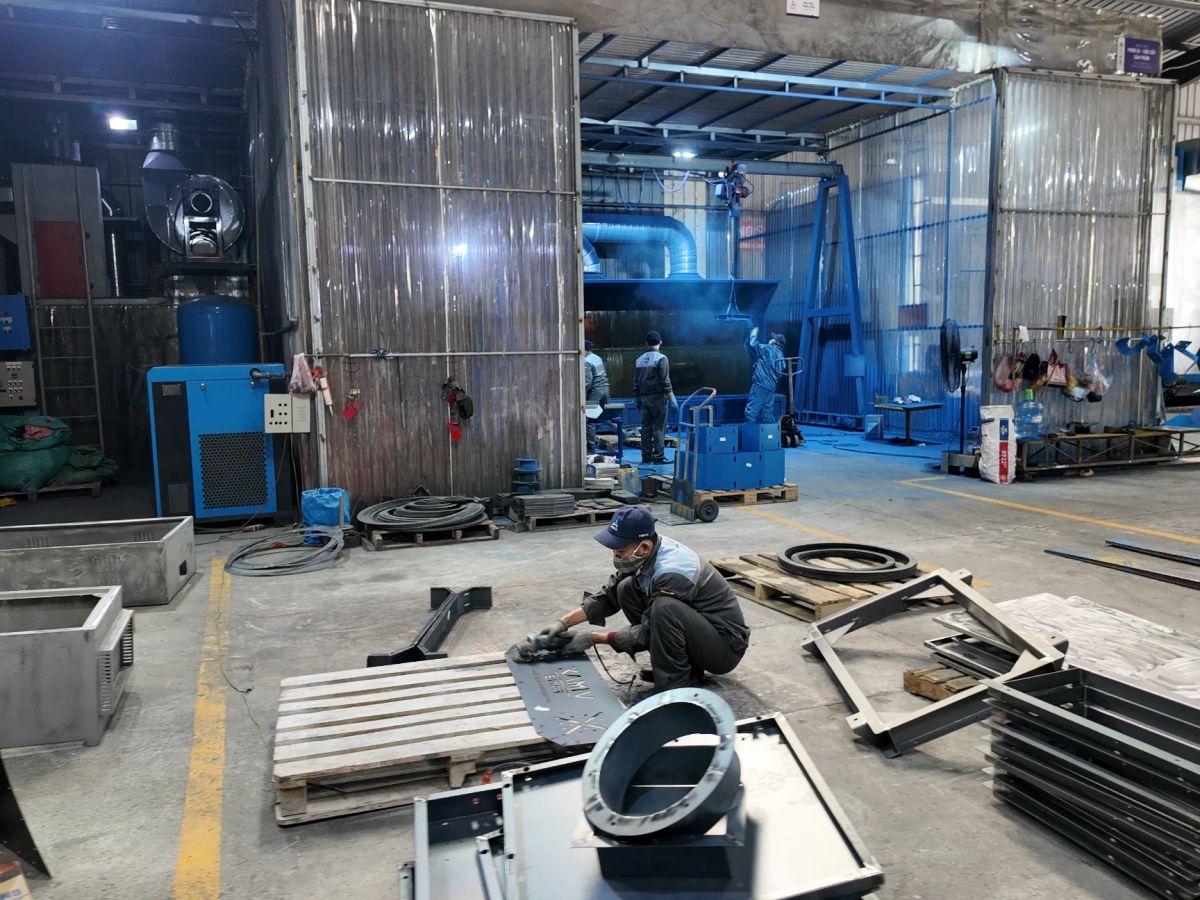
To get dust collection working right, you need to look at the main parts. It’s not just one thing; it’s how they all work together. We build our systems with industrial quality in mind, ready for export, because we know that downtime and poor performance aren’t options for serious businesses. Think of Vimax as your manufacturing partner in this. We help you get the right setup.
Key Components Driving Dust Collection Efficacy
The Central Role Of The Dust Collector Unit
The dust collector unit is the heart of the whole operation. It’s where the dirty air comes in, gets cleaned, and clean air goes out. The design of this unit matters a lot. It needs to handle the volume of air and the type of dust you’re dealing with. We focus on robust construction and efficient design, making sure our units can take a beating and keep performing. If you’re looking to improve your workshop’s air, consider our industrial air innovation. It’s about making sure the core component does its job without fuss.
Examining The Functionality Of Filtration Media
Inside the collector unit, the filtration media is what actually catches the dust. This can be anything from fabric bags to specialized cartridges. The material, pore size, and how the filters are arranged all affect how well the system cleans the air and how much pressure drop you get. Choosing the right filter media is key to balancing filtration efficiency with airflow. We use high-quality filter materials that are built for demanding industrial environments. Getting this right means less dust escaping and longer filter life, which saves you money in the long run. We can help you figure out the best dust collection system for your specific needs.
Understanding The Importance Of Air Handling Components
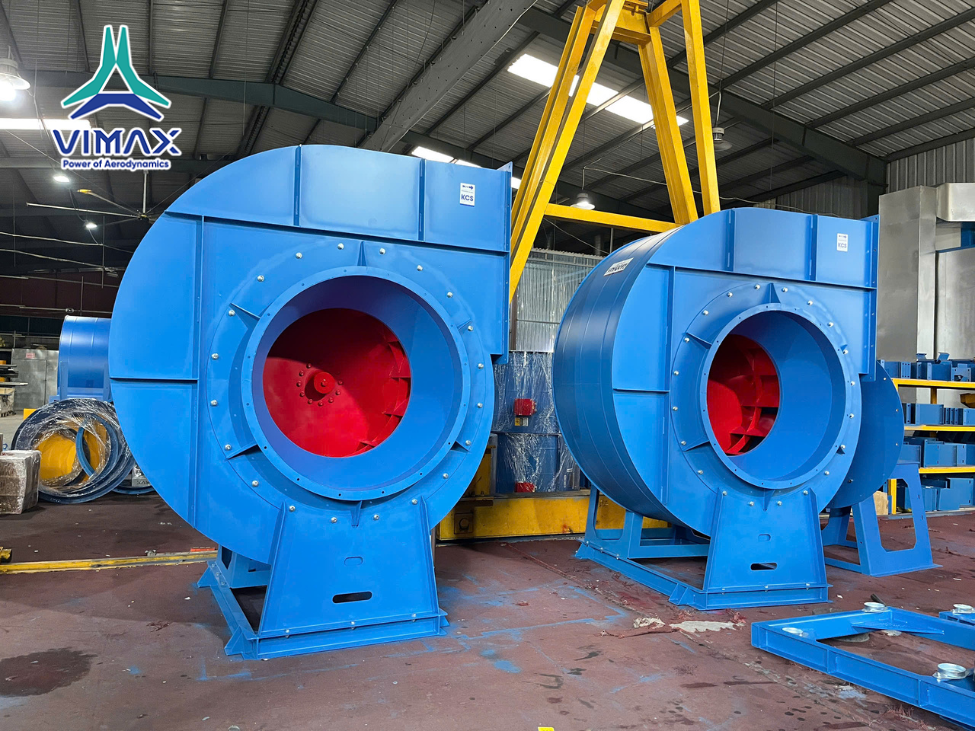
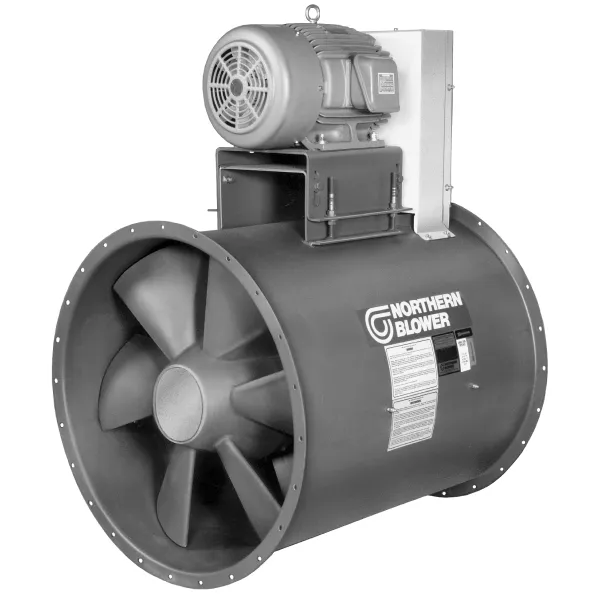
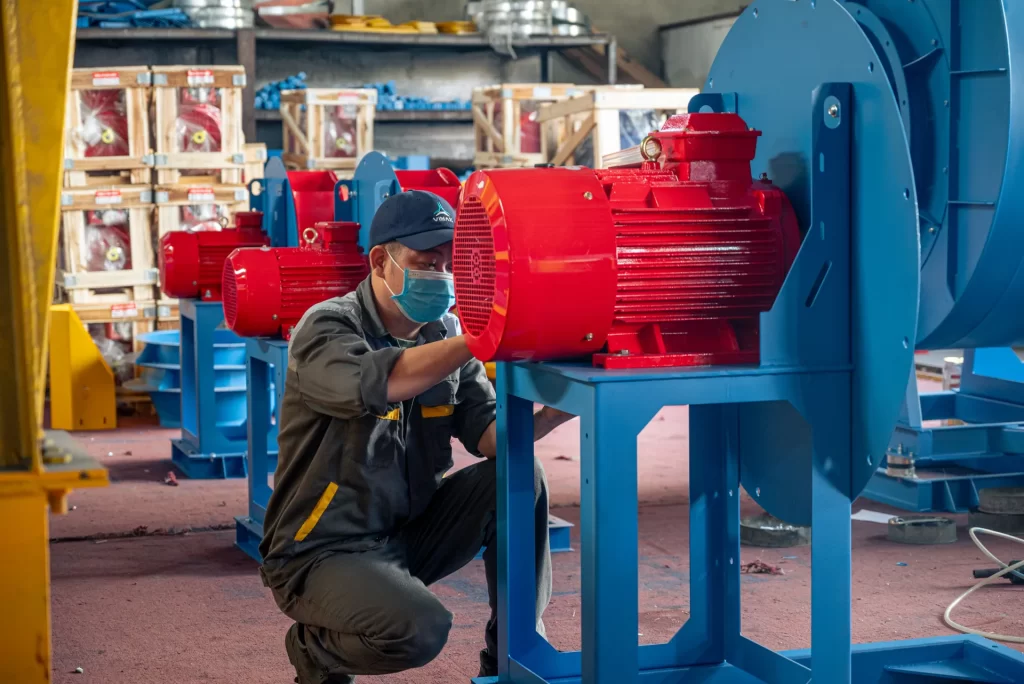
Beyond the collector and filters, you’ve got the air handling parts. This includes fans, ductwork, and hoods. The fan has to be strong enough to pull the air through the system at the right speed. The ductwork needs to be sized correctly and smooth inside to avoid dust buildup and airflow restrictions. Hoods are placed at the source of dust generation to capture it before it spreads. Properly designed air handling ensures that dust is captured at the source and moved efficiently to the collector. It’s a complex interplay, and Vimax has the engineering know-how to get it right for your operations. We’re always ready to discuss your projects and how we can partner with you.
The Process Flow: How Dust Collection Systems Operate
Initiating Airflow and Contaminant Capture
The process begins with the generation of airflow, typically driven by a fan or blower. This airflow is directed to capture airborne dust and particulate matter at its source. Think of it like a powerful vacuum, but designed for industrial settings. The system draws in contaminated air, pulling dust particles away from work areas and machinery. The effectiveness of this initial capture phase is directly tied to the system’s ability to maintain adequate air velocity at the point of dust generation. This ensures that even fine particles are drawn into the collection stream, rather than escaping into the workspace. For robust solutions that handle challenging dust capture, consider Vimax’s industrial-grade equipment.
The Journey Through the Filtration Stages
Once captured, the dust-laden air embarks on a journey through the system’s filtration stages. The primary goal here is to separate the solid contaminants from the clean air. Different technologies achieve this separation in distinct ways:
- Cyclonic Separators: These use centrifugal force to spin heavier particles out of the airstream and into a collection hopper.
- Baghouses (Fabric Filters): Air passes through fabric bags, which trap the dust on their surface. Periodically, these bags are cleaned, often by pulsing compressed air, to dislodge the collected dust.
- Cartridge Collectors: Similar to baghouses, but use pleated cartridges for filtration, offering a larger surface area in a more compact design.
Each method has specific strengths depending on the type and concentration of dust. Vimax offers a range of filtration solutions designed for high-efficiency separation, meeting stringent export readiness standards.
Efficient Removal and Disposal of Collected Dust
After the air has been filtered, the collected dust needs to be managed. The system is designed for the safe and efficient removal of this material. Collected dust typically accumulates in hoppers or bins at the base of the collector. These receptacles are designed for easy access and emptying, often incorporating features like rotary valves or screw conveyors to facilitate controlled discharge. Proper disposal is key to preventing secondary contamination. Regular emptying and maintenance of these collection points are vital for maintaining optimal system performance and preventing operational disruptions. Partnering with Vimax means you get systems built for reliable, long-term operation and straightforward waste management. We invite you to inquire about our dust collection solutions for your specific project needs.
The design of the dust collection system must account for the physical properties of the dust being handled, including particle size, density, and abrasiveness, to ensure longevity and effective operation of all components.
Evaluating Different Dust Collection Methodologies
Exploring Cyclonic Separation Techniques
Cyclonic separators are a workhorse in industrial dust collection, relying on centrifugal force to separate particles from an airstream. As dusty air enters the cyclone tangentially, it’s forced into a spiral or vortex motion. The heavier dust particles are thrown outward by centrifugal force, sliding down the inner walls of the cone and collecting at the bottom. Cleaner air, meanwhile, exits through a central outlet at the top. This method is particularly effective for larger, heavier particles and requires minimal maintenance, making it a robust choice for many applications. Vimax’s cyclonic designs are engineered for high throughput and durability, suitable for demanding export markets.
Wet Scrubbing Versus Dry Filtration Approaches
When choosing a dust collection strategy, the decision between wet scrubbing and dry filtration is significant. Dry filtration, often using baghouses or cartridge filters, captures dust on the surface or within the media. It’s generally straightforward and produces a dry dust cake for disposal. Wet scrubbers, on the other hand, use a liquid (typically water) to capture dust particles. This method is excellent for sticky, gummy, or explosive dusts, as the liquid can suppress dust and prevent ignition. It also helps cool hot gas streams. However, wet scrubbers produce a sludge or slurry that requires further treatment or disposal, adding complexity. The choice often depends on the specific dust characteristics and safety requirements. We can help you assess which approach best fits your needs.
The Application Of Electrostatic Precipitators
Electrostatic precipitators (ESPs) use electrical charges to remove fine particles from the air. The dirty gas stream passes through a high-voltage electric field, which imparts a positive or negative charge to the dust particles. These charged particles are then attracted to and collected on oppositely charged plates. ESPs are highly efficient, especially for very fine particulate matter, and can handle large gas volumes at high temperatures. They are often used in heavy industries like power generation and cement manufacturing. Vimax provides advanced ESP solutions designed for optimal performance and energy efficiency, meeting stringent international standards. If you’re considering ESPs for your facility, we invite you to inquire about our tailored solutions.
The effectiveness of any dust collection system hinges on matching the technology to the specific contaminants and operational environment. A thorough analysis of dust properties, airflow rates, and regulatory requirements is key to selecting the most appropriate and cost-effective methodology. Partnering with an experienced manufacturer like Vimax ensures you benefit from expert guidance throughout this selection process.
Optimizing System Performance And Maintenance Protocols
Keeping your dust collection system running smoothly is key to maintaining a safe and productive work environment. It’s not just about having the equipment; it’s about making sure it works right, all the time. This means paying attention to the details and having a solid plan for upkeep.
Ensuring Proper Airflow Velocity and Pressure
Airflow is the lifeblood of any dust collection system. If it’s too slow, dust won’t get pulled into the collector effectively. Too fast, and you might overwhelm the filters or cause unnecessary wear and tear. We need to monitor these levels regularly. Think of it like a well-tuned engine; everything needs to be just right. Maintaining the correct balance of airflow velocity and pressure is paramount for efficient dust capture and filtration. This often involves checking pressure gauges and airflow meters as part of a routine inspection. For systems where precise control is needed, variable frequency drives (VFDs) can help manage fan speeds to match changing operational demands, saving energy and reducing strain on components.
Ensuring Proper Airflow Velocity and Pressure
Regular Inspection and Replacement of Filter Elements
Filters are the workhorses, trapping the dust. Over time, they get clogged or damaged, which hurts performance. You can’t just forget about them. We need to inspect them often for signs of wear, such as tears or excessive buildup. Depending on the type of dust and how much you collect, filters might need cleaning or replacing on a schedule.
- Visual Inspection: Look for holes, cracks, or signs of filter media degradation.
- Pressure Drop Monitoring: An increasing pressure drop across the filter indicates it’s becoming clogged.
- Replacement Schedule: Follow manufacturer recommendations or establish a schedule based on your specific operating conditions.
Choosing the right filters is also important. High-quality filters, like those from Vimax, are built for industrial use and can handle tough conditions. They are designed for export, meaning they meet international standards. Working with a manufacturing partner like Vimax means you get reliable components that keep your system effective. If you’re looking to upgrade your filtration media, it’s worth inquiring about dust collector filter options.
Implementing Preventative Maintenance Schedules
Proactive care stops problems before they start. A good maintenance plan covers all the bases, from checking fan belts to cleaning out the dust bin. It’s about preventing downtime and costly repairs.
A well-structured preventative maintenance program is more than just a checklist; it’s an investment in operational continuity and safety. It minimizes unexpected shutdowns, protects your workforce from airborne hazards, and extends the lifespan of your entire dust collection setup.
This includes things like:
- Lubricating moving parts (fans, motors).
- Checking electrical connections for security and corrosion.
- Cleaning the collector housing and ductwork.
- Testing safety features like explosion vents or suppression systems.
Partnering with a seasoned manufacturer like Vimax can help you develop and implement these schedules. Their experience in industrial dust collection means they understand what it takes to keep systems running optimally. If you’re planning a new installation or need to optimize an existing one, consider reaching out to discuss your dust collection system maintenance.
Selecting The Appropriate System For Your Operational Needs
Choosing the right dust collection system for your factory isn’t a one-size-fits-all decision. It depends on what you’re working with and what you need the system to do. We help businesses find the right fit, every time.
Assessing Dust Characteristics and Volume
First off, you need to know what kind of dust you’re dealing with. Is it fine powder, wood chips, metal shavings, or something else? The size, density, and stickiness of the particles play a big role in how effectively a system can capture and handle them. You also need to consider the volume of dust produced. A small workshop will have different needs than a large manufacturing plant. We can help you analyze your specific dust profile to recommend the best approach. Understanding your dust generation process is key.
Matching System Capacity to Production Demands
Once you know your dust type and volume, you can look at system capacity. The system needs to be able to handle the amount of air and dust generated during your peak production times. An undersized system won’t keep up, leading to dust escaping into the work environment. An oversized system might be more expensive than necessary and could even be less efficient. We manufacture industrial-grade equipment built for demanding environments, ensuring reliable performance for your operations. Our systems are export-ready, meeting international standards.
Considering Energy Efficiency and Operational Costs
Beyond the initial purchase price, think about the long-term costs. How much energy does the system use? What are the maintenance requirements? Filter replacement costs can add up. We focus on building robust, energy-efficient dust collectors that minimize operational expenses without sacrificing performance. As a manufacturing partner, Vimax is committed to providing solutions that are both effective and economical.
Selecting the correct system means looking at the whole picture: the dust itself, how much you make, and how your production runs. It’s about finding a balance that keeps your air clean and your operations running smoothly.
We invite you to inquire about your specific project or discuss potential manufacturing partnerships with Vimax. Let’s work together to find the optimal dust collection solution for your needs.
Picking the right system for what you need to do is super important. Think about your daily tasks and what will make them easier and better. We can help you figure out the best fit for your work. Visit our website to learn more about our solutions and find the perfect match for your business needs.
Partnering for Cleaner Air
So, we’ve walked through how dust collection systems work, from grabbing dust to getting rid of it. It’s a process that makes a difference in workshops and factories. When you’re looking for a system that can handle tough jobs and keep your air clean, think about what makes a good setup. It’s about the right fan, the right filters, and a design that moves air efficiently. For businesses needing dependable air solutions, finding a manufacturing partner that understands these details is key. We at VIMAX GLOBAL are ready to help you find the right equipment for your needs, bringing our experience in industrial fans and air systems to your projects. Let’s work together to create a safer, cleaner working environment.