


Agriculture and livestock farming remain the backbone of the global economy, providing essential food, feed, and raw materials. However, these sectors constantly face significant environmental challenges, including climate change, disease outbreaks, and the need for optimized productivity.
In this context, industrial fans have emerged as a pivotal technological solution, playing a crucial role in creating and maintaining optimal environments, thereby enhancing productivity, improving animal and crop health, and optimizing operational efficiency. This article will delve into the diverse applications and superior benefits of industrial fans in modern agriculture and livestock farming.
Key Applications of Industrial Fans
2.1. In Greenhouses and Crop Cultivation
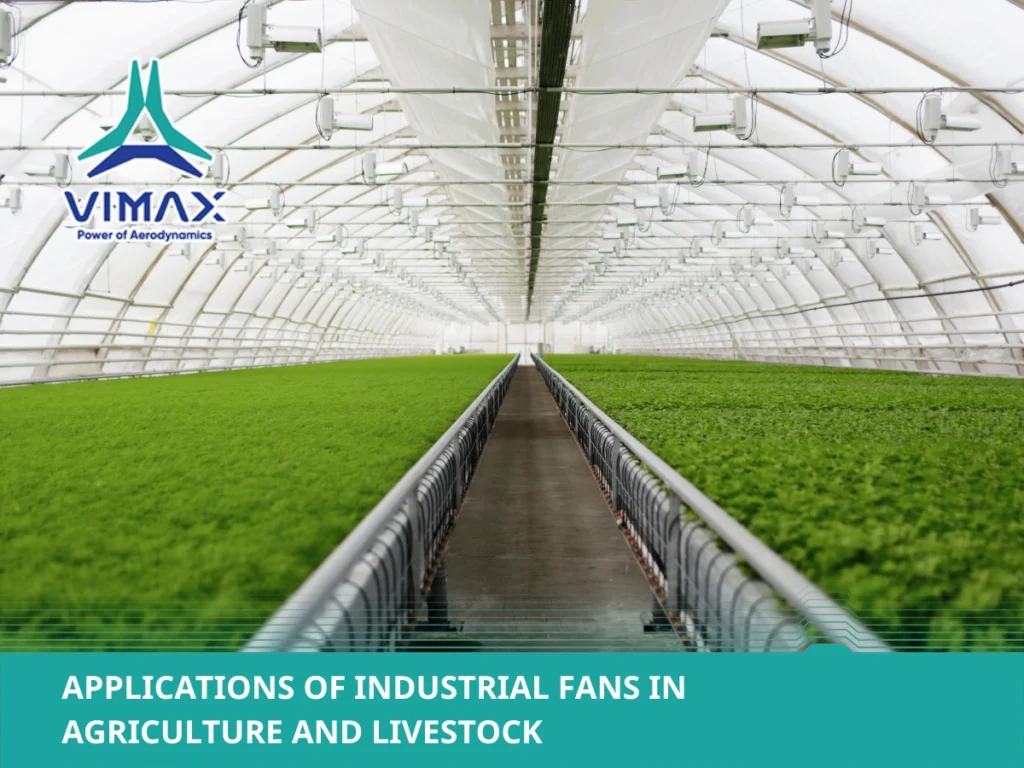
Industrial fans are indispensable for creating ideal growing conditions for crops in greenhouses. They help control climate and temperature by maintaining stable temperatures, eliminating localized hot or cold spots that can harm plants. Additionally, fans ensure effective ventilation and air circulation, providing fresh air, minimizing condensation on leaves and greenhouse structures, thereby preventing the growth of mold and plant diseases.
Notably, High Volume, Low Speed (HVLS) fans generate gentle airflow, aiding in pollination and uniform CO2 distribution throughout the space, allowing plants to photosynthesize optimally and grow vigorously.
Humidity reduction is also a crucial benefit, helping to control the microbial environment and prevent the growth of disease-causing bacteria for plants.
2.2. In Livestock Facilities
In livestock farms, industrial fans are effective tools for protecting animal health and enhancing productivity. They help reduce heat stress and provide cooling efficiently, which is particularly important for temperature-sensitive animals such as dairy cows, poultry, and pigs. Reducing ambient temperature by 4-7°C can help dairy cows maintain stable milk production and avoid heat-related health issues.
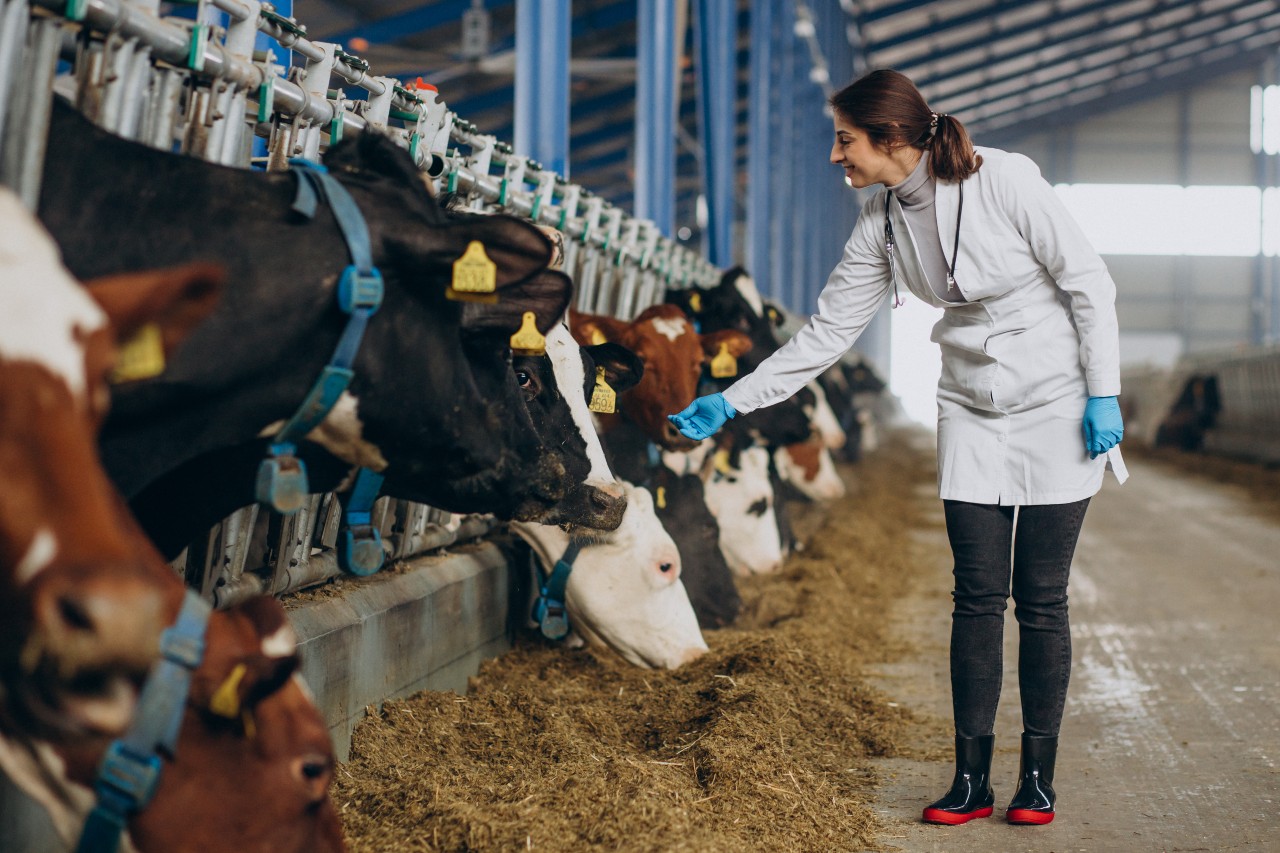
Furthermore, fans improve air quality by removing ammonia, carbon dioxide, foul odors, and other harmful gases that accumulate in barns, significantly reducing the risk of respiratory diseases in animals.
A good barn ventilation system also ensures fresh, dry air, reducing humidity, and thus preventing the spread of diseases. All these factors contribute to overall animal welfare, creating a comfortable living environment that promotes healthy growth and development.
2.3. Drying and Storage of Agricultural Products
Post-harvest, proper drying and storage of agricultural products are crucial for maintaining quality and extending shelf life. Industrial fans, often combined with heating units, are used for grain drying, helping to remove moisture quickly and uniformly, ensuring grains do not mold or spoil during storage.
Similarly, they support post-harvest processing for various other agricultural products such as fruits, vegetables, and even meat in packaging facilities. In agricultural warehouses, fans maintain a dry, well-ventilated environment, preventing the growth of mold, insects, and other harmful agents, protecting products from damage.
2.4. Dust Collection and Environmental Hygiene
Agricultural and livestock activities often generate a large amount of dust, which can affect the health of workers and animals, as well as product quality. Industrial fans are used to remove dust in feed processing facilities, storage areas, and other locations, significantly improving air quality.
Pathogen control is also enhanced as the amount of airborne dust carrying pathogens is reduced, creating a safer working and living environment.
2.5. Aeration and Waste Treatment
Industrial fans also play a vital role in aeration processes. They are used for soil and compost aeration, increasing oxygen levels in the soil, promoting healthy root development, and improving the efficiency of composting.
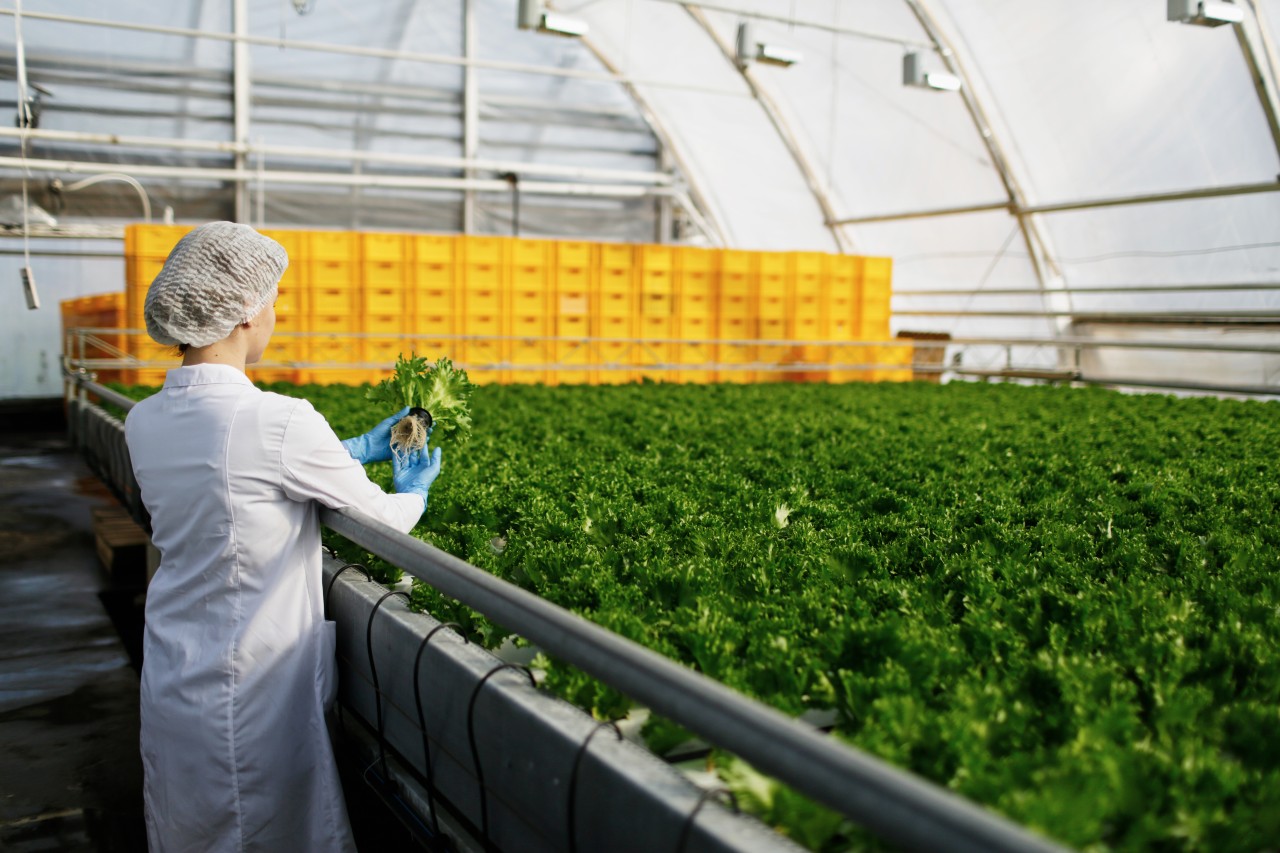
In hydroponic systems, fans ensure sufficient dissolved oxygen for plant roots in the water environment, which is crucial for plant growth. Additionally, fans support waste treatment by providing oxygen to biological decomposition microorganisms in agricultural waste treatment systems, helping to minimize environmental pollution.
Common Types of Industrial Fans in Agriculture
Choosing the right type of fan is essential for optimizing efficiency. Here are some common types of industrial fans:
| Fan Type | Key Characteristics | Typical Applications |
| HVLS Fans (High Volume, Low Speed) | Move large volumes of air at low speeds, creating gentle airflow, energy-efficient. | Large barns, greenhouses, warehouses, areas requiring wide-area cooling and ventilation. |
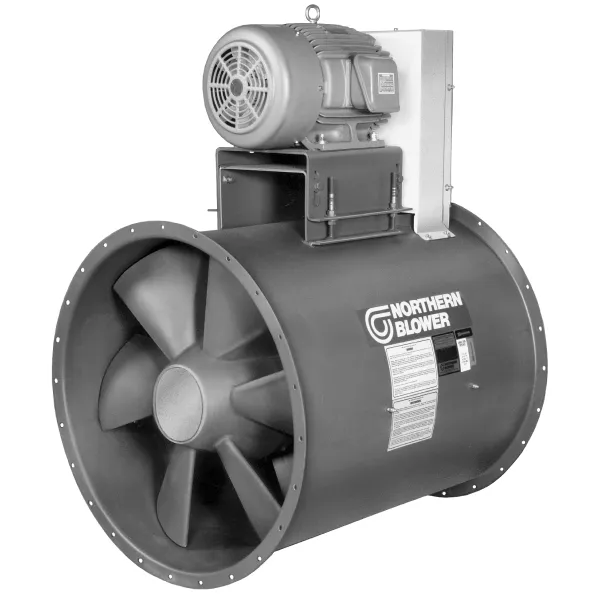
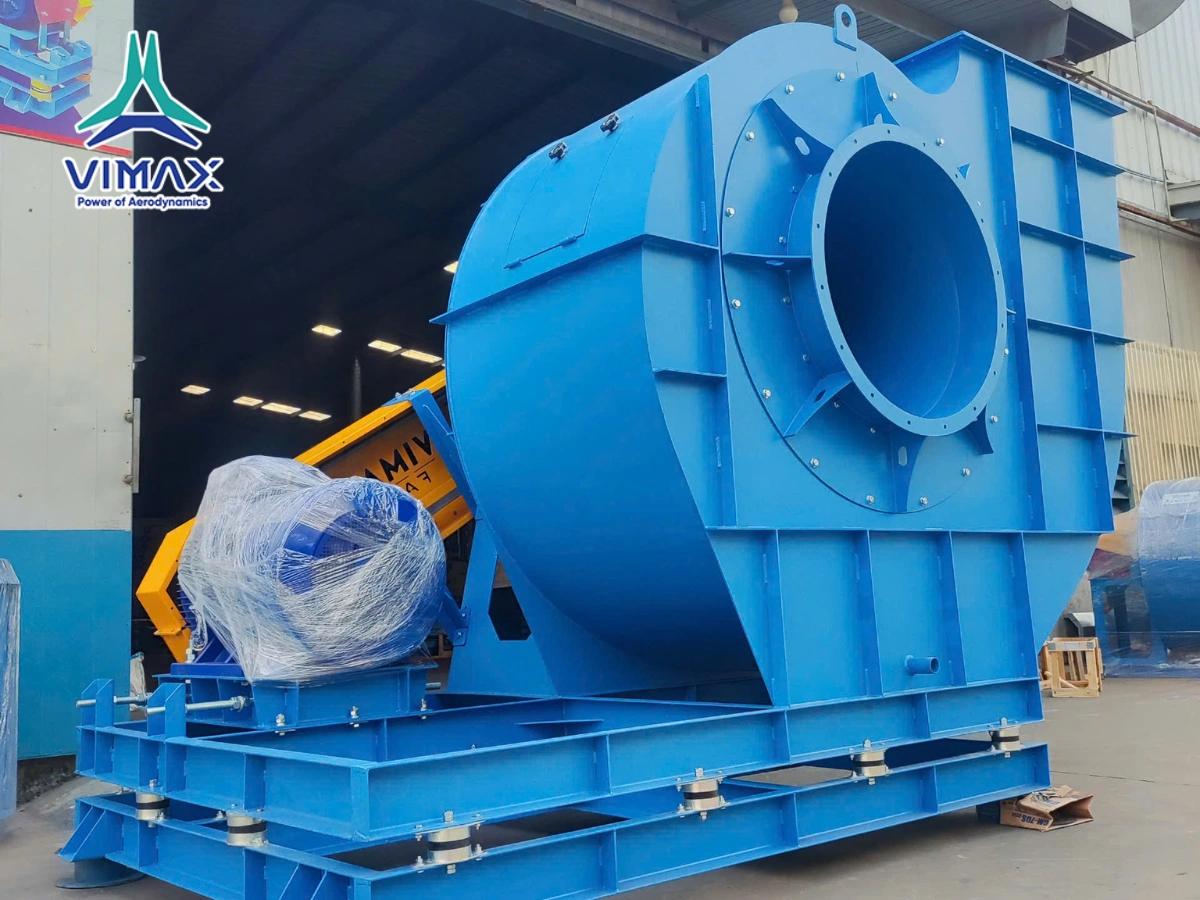
| Exhaust Fans | Extract old, polluted, odorous air, bringing in fresh air. | Livestock barns to remove toxic gases and odors. |
| Wall-mounted Fans | Mounted on walls, often used for localized ventilation, removing humidity and toxic gases. | High-humidity areas, requiring concentrated ventilation. |
| Ceiling Fans | Installed on ceilings, help circulate air evenly, preventing stagnant air. | Greenhouses, barns to maintain stable temperature and humidity. |
| Air Circulation Fans | Ensure even airflow, reduce odors, dust, and maintain a cool environment. | Agricultural warehouses, processing areas to improve air quality. |
Overall Benefits of Applying Industrial Fans
Integrating industrial fans into agricultural and livestock operations brings numerous comprehensive benefits:
- Enhanced Crop and Animal Health: An optimally controlled environment helps reduce diseases, stress, and other health issues, leading to healthier animals and better-growing crops.
- Increased Productivity and Quality: With ideal environmental conditions, animals can grow faster, yield higher outputs (e.g., milk, meat production), and crops can achieve better yields and product quality.
- Reduced Operating Costs: Compared to traditional HVAC systems, industrial fans, especially HVLS fans, consume significantly less energy
. Simultaneously, reducing heat stress and improving animal health also helps lower veterinary and medication costs.
- Improved Working Environment: Fresher air and more comfortable temperatures create a safer and more pleasant working environment for farm laborers.
- Sustainability: By optimizing energy and resource utilization, industrial fans contribute to more sustainable agricultural practices, minimizing negative environmental impacts.
Choosing the Right Industrial Fan
To achieve maximum effectiveness, selecting the appropriate industrial fan is crucial. Factors to consider include:
- Assess Specific Needs: Clearly define the space size, type of crops or livestock, and environmental issues to address (e.g., temperature control, humidity, ventilation, dust collection).
- Performance and Durability: Prioritize high-performance fans made from durable materials, capable of withstanding harsh agricultural environments (dust, humidity, chemicals).
- Energy Efficiency: Choose fan models designed to optimize energy consumption, leading to long-term electricity cost savings.
- Expert Consultation: To ensure the most optimal solution, contact reputable suppliers like VIMAX GLOBAL for specialized advice on suitable fan types and ventilation systems for your specific needs. Their expertise can guide you in making informed decisions that maximize your farm’s efficiency and profitability.
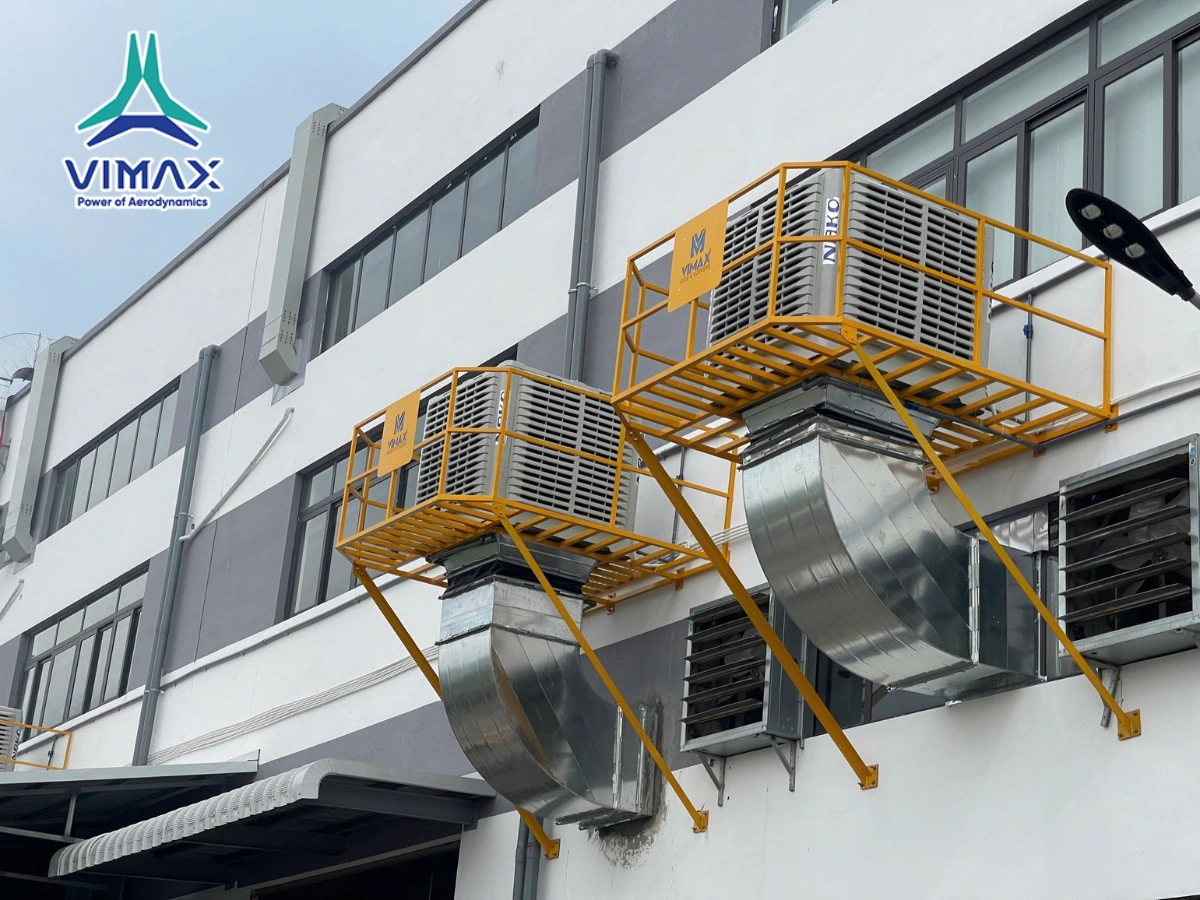
Proudly a brand from Vietnam with a global vision, VIMAX GLOBAL delivers more than just equipment – we provide world-class industrial ventilation and cooling solutions. By integrating advanced international engineering with deep local insights, we offer high-performance, durable systems that remain strictly cost-optimized. Learn more about industrial fan solutions from VIMAX GLOBAL to enhance your farm’s efficiency today!
