


Ever wondered how factories keep the air clean from all that sawdust, metal shavings, or other debris? A cyclone dust collection system is a pretty common sight in many industrial settings, and it’s not as complicated as it might seem. It’s all about using physics to separate the gunk from the air. If you’re in manufacturing and thinking about air quality, understanding how these things work is a good start. We’ll break down how a cyclone dust collection system works, what makes it tick, and why companies like VIMAX GLOBAL rely on them for export-ready solutions.
Key Takeaways
- A cyclone dust collection system works by spinning dirty air in a circle, forcing heavier dust particles to the outside and down.
- Key parts include the inlet where air enters, the main body that spins the air, and an outlet for clean air.
- The process involves air entering, spinning, particles hitting the walls, and finally, clean air exiting while dust falls.
- Getting the best results means matching the cyclone’s size to the job and choosing the right materials for it to last.
- Cyclones are often used as a first step before finer filters, making the whole air cleaning process more efficient and cost-effective.
Understanding The Fundamental Principles Of Cyclone Dust Collection
Centrifugal Force In Action
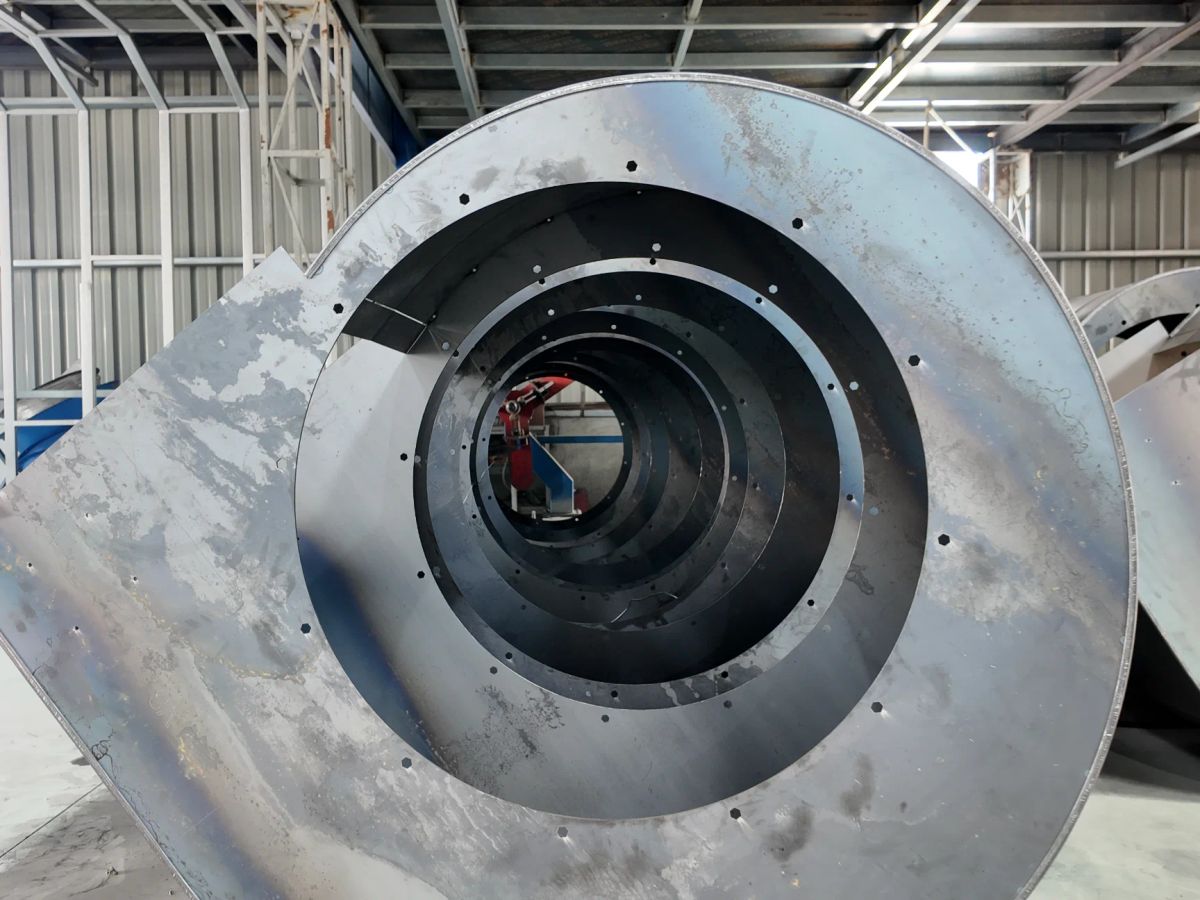
A cyclone dust collector works by using centrifugal force to separate dust particles from an air stream. Think of it like spinning a salad spinner; the faster you spin, the more the water gets pushed outwards. In a cyclone, the dirty air enters at an angle and spins rapidly down the unit. This spinning motion throws the heavier dust particles against the outer walls of the cyclone. The design forces the air to move in a spiral path, creating a strong outward force on the particles. This force is what drives the separation process, pushing the dust away from the central airflow. It’s a simple yet effective mechanical principle that forms the basis of how a cyclone separator works.
Centrifugal Force In Action
Gravity’s Role In Separation
While centrifugal force does the heavy lifting, gravity plays a supporting role in the cyclone’s operation. As the dust particles are flung to the outer walls by the spinning air, gravity helps pull them downwards. This downward movement directs the separated dust towards the collection hopper at the bottom of the cyclone. Without gravity, the particles might just cling to the walls. It’s this combination of outward force and downward pull that efficiently guides the dust away from the clean air stream. This dual action is key to the system’s ability to handle various particle sizes.
Airflow Dynamics Within The Cyclone
The way air moves inside a cyclone is quite specific and engineered for maximum separation. The air enters tangentially, creating a vortex. This vortex has two main flows: an outer, downward-moving spiral carrying the dust, and an inner, upward-moving spiral of cleaner air. The outer flow spirals down the conical body, shedding dust as it goes. The inner flow, now mostly free of particles, rises towards the top and exits through the vortex finder. Understanding these airflow patterns is important for optimizing the performance of any dust collection setup, whether it’s a standalone unit or part of a larger system like a jet dust collector.
Key Components Of An Effective Cyclone Separator
The Tangential Inlet Design
The way air and dust enter the cyclone is pretty important. A tangential inlet means the dirty air comes in from the side, not straight on. This entry point is designed to get the air spinning right away. This initial spin is what creates the powerful centrifugal force needed for separation. For industrial applications, the inlet’s shape and size are matched to the specific airflow volume to prevent bottlenecks and maintain efficiency. We build our inlets with robust materials, ready for export and demanding environments.
The Conical Body And Vortex Finder
This is where the magic happens. The main body of the cyclone is usually cylindrical at the top and then tapers down into a cone. The air, now spinning rapidly, moves down the body. As it spins, heavier dust particles get pushed outwards by centrifugal force and slide down the walls into the cone. The cleaner air, in the center, then moves upwards through a tube called the vortex finder, which extends down into the cyclone body. The dimensions of the conical section and the vortex finder are critical for effective separation. Getting these right is key to good performance, and it’s something we focus on at Vimax. We can help you select the right configuration for your needs.
The Dust Discharge Outlet
At the very bottom of the conical section is the dust discharge outlet, often called the dust trap or hopper. This is where the separated dust collects. It needs to be designed so that the collected dust can be removed without letting the clean air escape or allowing re-entrainment of dust back into the airflow. The size and shape of this outlet are important, especially for handling different types of dust. We engineer these outlets for reliable operation and easy maintenance, making our units suitable for global markets. Let us know if you want to discuss specific discharge requirements for your project.
The Operational Sequence: How Dust Is Captured
Entry and Initial Spin
When a dusty air stream enters a cyclone separator, it’s directed tangentially into the unit. This specific entry point is key. It immediately imparts a swirling motion to the air, much like water going down a drain. This initial spin is what gets the whole separation process started. The velocity of the incoming air dictates how strong this initial vortex will be, directly impacting the efficiency of particle capture. For industrial applications, consistent air velocity is a must, and Vimax can help you match the right cyclone size to your specific airflow needs.
Particle Trajectory and Wall Adhesion
As the air spins faster and faster, centrifugal force pushes the heavier dust particles outward. Think of it like being pushed against the wall of a spinning amusement park ride. These particles move away from the center of the vortex and towards the outer walls of the cyclone. Because the cyclone’s body is conical, this outward motion guides the particles downward along the inner wall. The design of the conical body is critical for directing this flow effectively. As the particles travel down, they lose momentum and eventually fall towards the bottom of the cyclone. This is where the material selection for your cyclone becomes important; robust materials resist abrasion from the dust particles.
Clean Air Exhaust and Dust Collection
While the dust particles are being forced outward and downward, the cleaner air in the center of the vortex continues its downward path. However, at the bottom of the cone, the airflow reverses direction and moves upward through the center of the cyclone, exiting through the vortex finder. This creates a double vortex effect. The dust that has settled along the walls falls into a collection hopper or bin located at the base of the cone. This collected dust can then be removed, often using a rotary airlock valve, a standard component in many dust collection systems. The clean air, now largely free of particulate matter, is then exhausted from the system. This process allows for continuous operation, effectively separating dust from the air stream. For businesses looking to improve their air quality, understanding this sequence is vital. We invite you to inquire about your specific projects or potential partnerships with Vimax to optimize your dust collection strategy.
Optimizing Cyclone Performance For Industrial Applications
Matching Cyclone Size To Airflow Requirements
Getting the size of your cyclone separator right for the specific airflow in your facility is a big deal. Too small, and it won’t handle the dust load, leading to poor separation and potential system overload. Too large, and the air velocity might drop too much, reducing the centrifugal force needed to effectively separate particles. We work with you to calculate the precise air volume your operation generates and match it to a cyclone design that performs optimally. This careful sizing is key to efficient dust capture and system longevity.
Material Selection For Durability
The materials used in cyclone construction directly impact their lifespan, especially in demanding industrial settings. For abrasive dusts, like those found in woodworking or metal grinding, hardened steel or specialized coatings are often necessary to prevent premature wear. For less abrasive applications, standard carbon steel can be perfectly adequate and more cost-effective. Vimax considers the nature of the dust, the operating temperature, and chemical exposure when recommending materials, ensuring your investment stands up to the task. We pride ourselves on export readiness, meaning our cyclones are built to meet international standards for durability and performance.
Maintaining Consistent Air Velocity
Consistent air velocity throughout the cyclone is vital for maintaining the separation efficiency. Factors like blockages in the dust discharge or changes in the dust loading can affect this velocity. Regular inspections and maintenance are important. We can help design systems with features that minimize velocity fluctuations and provide guidance on best practices for operation. Partnering with Vimax means you get a system designed for reliable performance, backed by a manufacturing partner committed to your operational success.
Proper cyclone performance relies on a delicate balance of airflow, particle characteristics, and physical design. Achieving this balance requires a thorough understanding of your specific industrial environment.
We invite you to inquire about your specific dust collection projects or explore potential partnerships with Vimax. Let’s discuss how our tailored solutions can improve your facility’s air quality and operational efficiency. Learn more about industrial air innovation and how our systems contribute to cleaner workplaces. Our commitment extends to providing robust dust collection systems suitable for global markets.
Advantages Of Cyclone Dust Collectors In Manufacturing
Cost-Effectiveness and Simplicity
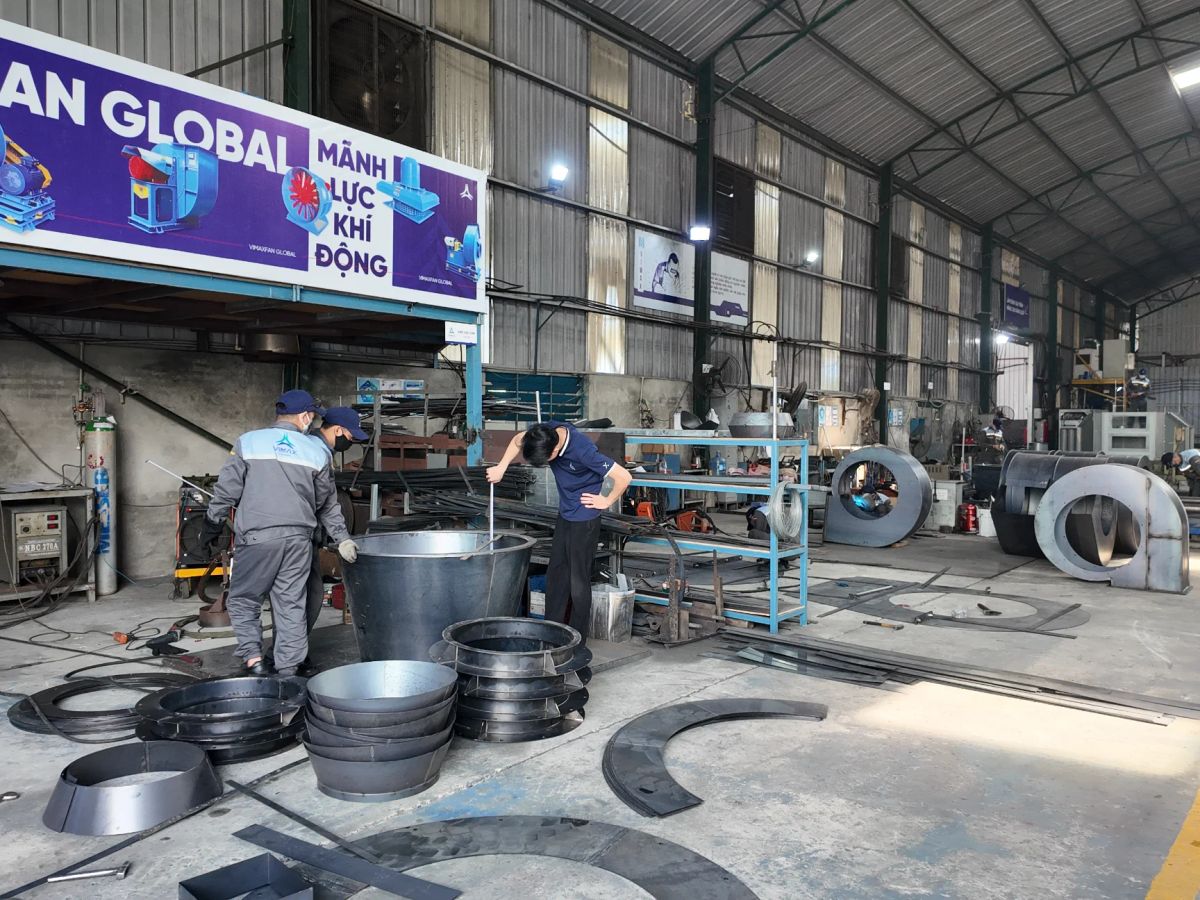
Cyclone dust collectors are a smart choice for manufacturers looking for efficient dust control without breaking the bank. Their design is straightforward, meaning fewer parts to worry about and less complexity in installation and operation. This simplicity translates directly into lower initial costs and reduced expenses over the system’s lifespan. For businesses focused on operational efficiency and budget management, the inherent cost-effectiveness of cyclone technology is a major draw. When you compare them to more complex filtration systems, the difference in upfront investment and ongoing maintenance is quite noticeable. This makes them a practical solution for many industrial settings.
Cost-Effectiveness and Simplicity
Low Maintenance Requirements
One of the standout features of cyclone separators is their minimal need for upkeep. Unlike systems that rely on filter bags or cartridges, cyclones have no moving parts that wear out and no filters to clog or replace regularly. The primary wear points are usually related to the abrasive nature of the dust itself, which can be managed with appropriate material selection. This lack of consumable parts significantly cuts down on downtime and the labor costs associated with filter changes. It means your operation can keep running smoothly with fewer interruptions.
Versatility Across Industries
Cyclone dust collectors are not limited to just one type of manufacturing. They perform well in a wide range of applications, from woodworking and metal fabrication to grain processing and chemical manufacturing. Their ability to handle large volumes of dust and particulate matter, even when the dust is abrasive or sticky, makes them a flexible solution. Whether you need to capture fine sawdust or heavier industrial debris, a properly sized cyclone can get the job done. This adaptability is why many companies rely on them as a core part of their dust control strategy. We at Vimax understand this need for adaptable solutions and work with clients to find the right fit for their specific industrial dust collection needs. We are ready to discuss your project requirements and explore how our cyclone separators can benefit your manufacturing process. Let’s partner to improve your workplace air quality.
The robust nature of cyclone separators means they can often operate effectively in harsh environments where other dust collection methods might struggle. Their ability to handle high temperatures and corrosive materials, depending on construction, adds to their appeal for specialized industrial applications.
We can help you implement an effective [dust collection system] for your facility. If you’re considering upgrading your current setup or installing a new one, reaching out to us is a good next step. We’re here to help you find the best [cyclone dust separator] solution for your unique challenges. Partnering with Vimax means you’re working with a team dedicated to your success in dust control.
Integrating Cyclones Into Comprehensive Air Quality Systems
Cyclone Pre-Separation for Baghouses
When dealing with heavy dust loads, integrating a cyclone separator before a baghouse is a smart move. Think of the cyclone as the first line of defense. It pulls out the bulk of the larger particles, which means your baghouse doesn’t get overloaded as quickly. This extends the life of your filter bags and reduces the frequency of cleaning or replacement. For manufacturers focused on uptime and cost control, this pre-separation step is a big win. We build our cyclones to handle tough industrial conditions, making them a reliable choice for export markets. If you’re looking to protect your downstream filtration equipment, let’s talk about how a Vimax cyclone can fit into your setup.
Synergy with Ventilation Systems
Cyclones work hand-in-hand with your overall ventilation strategy. They are designed to efficiently remove particulate matter from the air stream, allowing cleaner air to circulate. This improves the working environment and can help meet air quality standards. The key is matching the cyclone’s capacity to your ventilation system’s airflow. We can help you select the right size and configuration to ensure optimal performance without creating bottlenecks. Our commitment to quality means you get a system that integrates smoothly and performs reliably, even in demanding export applications. Curious about optimizing your ventilation? Inquire about a Vimax partnership.
Achieving Superior Air Filtration
Combining cyclones with other filtration technologies, like baghouses or cartridge collectors, creates a multi-stage system that offers top-tier air cleaning. The cyclone handles the heavy lifting, removing larger dust particles, while secondary filters capture the finer dust. This layered approach is often the most effective way to achieve very high levels of air purity, which is critical in many industries. This integrated approach significantly boosts the overall efficiency and longevity of your entire dust collection setup. At Vimax, we understand the complexities of industrial air quality. We manufacture robust, export-ready equipment designed for peak performance. Let’s discuss your specific air filtration challenges and explore how our solutions can benefit your operations. Reach out to discuss your next project.
Partnering for Cleaner Air
So, we’ve walked through how cyclone dust collectors work. It’s a smart system that uses spinning air to separate dust from the air. This keeps workshops cleaner and safer. For businesses needing these systems, finding a reliable maker is key. VIMAX GLOBAL is a Vietnamese company that makes these kinds of fans and air systems for export. They focus on good quality and are ready to work with international buyers. If your project needs good dust collection, think about what VIMAX GLOBAL can do.
Read more: Understanding the Basics: How Does a Dust Collection System Work?
