


Working with wood is great, but the dust? Not so much. It gets everywhere, and breathing it in isn’t good for you. That’s why having a solid dust collection setup in your woodworking shop is super important. It makes your workspace cleaner and safer. This guide will walk you through the basics of how to collect dust collection woodworking, from understanding the systems to keeping them running well. We’ll cover what you need to know to get your shop breathing easier.
Key Takeaways
- A good dust collection system is vital for a clean and healthy woodworking environment.
- Understanding the main parts of a dust collection system helps in choosing the right one.
- Proper installation and sealing are key to making sure your dust collection works effectively.
- Regular maintenance, like cleaning and checking hoses, keeps your system performing at its best.
- Consider advanced features like static control and compliance with safety rules for better dust management.
Understanding Wood Dust Collection Systems
Effective dust collection is not just about cleanliness; it’s a critical aspect of operational safety and efficiency in any woodworking environment. Fine wood dust, often invisible to the naked eye, poses significant health risks to personnel and can create hazardous conditions, including potential fire and explosion risks. Implementing a robust dust collection system is paramount for maintaining a healthy workspace and protecting your equipment. At Vimax, we understand the complexities of industrial dust control and provide solutions designed for the rigors of woodworking operations. Our systems are engineered for export, meeting stringent international standards for performance and safety, making us a reliable partner for businesses worldwide.
Understanding Wood Dust Collection Systems
The Importance of Effective Dust Collection in Woodworking
Wood dust is a pervasive byproduct of woodworking processes, from sawing and sanding to routing and finishing. Inhaling these fine particles can lead to a range of respiratory issues, including asthma, bronchitis, and long-term occupational diseases. Beyond health concerns, accumulated dust can interfere with machinery performance, increase fire hazards, and negatively impact the quality of finished products. A well-designed dust collection system is an investment in worker well-being, operational longevity, and product excellence.
Key Components of a Wood Dust Collection System
A typical industrial dust collection system comprises several interconnected components, each playing a vital role in capturing and removing airborne dust particles:
- Collection Hoods/Nozzles: These are strategically placed at dust-generating machinery to capture dust at its source.
- Ductwork: A network of pipes that transports the dust-laden air from the collection points to the central collection unit.
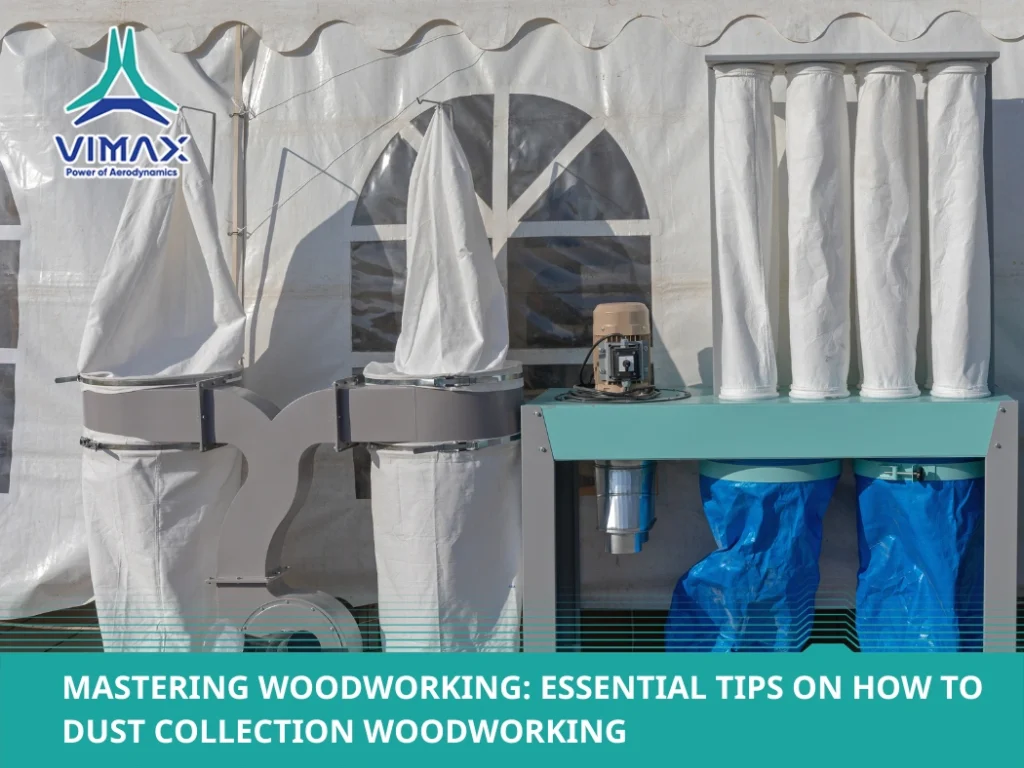
- Dust Collector Unit: This central unit houses the filtration and separation mechanisms. It typically includes a fan, filters, and a dust storage bin.
- Filtration System: High-efficiency filters, such as cartridge filters or bag filters, trap the fine dust particles while allowing clean air to pass through.
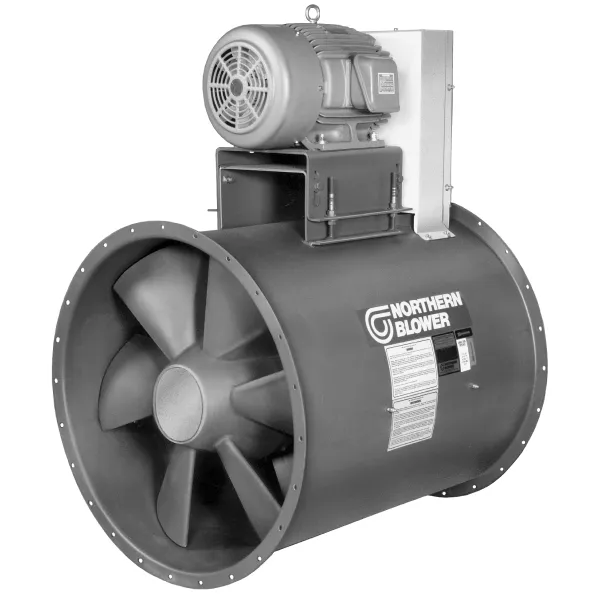
- Fan/Blower: The motor-driven fan creates the airflow necessary to draw dust through the ductwork and into the collector.
- Dust Storage: A bin or bag system where the collected dust is safely stored for disposal.
Types of Dust Collection Technologies
Several technologies are employed in industrial dust collection, each suited for different applications and dust types. Understanding these can help in selecting the most appropriate system for your needs:
- Cyclonic Separators: These use centrifugal force to separate larger dust particles from the airstream before they reach the filters, extending filter life.
- Baghouses (Fabric Filters): These systems use large fabric bags to filter dust. They are highly effective for capturing fine particles but require regular maintenance.
- Cartridge Collectors: These utilize pleated filter cartridges, offering a high surface area for filtration in a more compact design. They are often easier to maintain and replace than bag filters.
- Wet Scrubbers: These systems use a liquid (usually water) to capture dust particles. They are effective for combustible dusts and can also help control odors.
When considering industrial-grade solutions, it’s important to partner with manufacturers who understand the nuances of airflow, filtration efficiency, and material durability. Vimax offers a range of industrial fans and dust collection solutions engineered for export, designed to meet the demanding requirements of global industries. We invite you to inquire about your specific project needs or potential partnerships to achieve superior air quality in your operations.
Designing Your Woodworking Dust Collection Strategy
Developing an effective dust collection strategy is paramount for any woodworking operation aiming for a safe, clean, and efficient workspace. This involves a systematic approach to understanding your specific needs and then selecting and implementing the right solutions. As a manufacturing partner, VIMAX GLOBAL works collaboratively with clients to engineer systems that precisely match operational demands, ensuring optimal performance and compliance.
Assessing Your Workshop’s Specific Needs
Before selecting equipment, a thorough assessment of your workshop is necessary. Consider the types of woodworking machinery you operate, the volume of material processed, and the layout of your facility. Different machines produce varying amounts of dust, and their placement significantly impacts collection efficiency. Understanding these factors allows for a tailored approach, rather than a one-size-fits-all solution. For instance, stationary machines like table saws and planers require different collection points than portable tools.
Selecting the Right Collection Capacity
Choosing the correct dust collection capacity is critical. An undersized system will struggle to keep up, leading to dust accumulation and poor air quality. Conversely, an oversized system can be inefficient and costly. Capacity is typically measured in cubic feet per minute (CFM). We help clients determine the required CFM by analyzing machine specifications and airflow needs. Properly sizing your system ensures it can effectively capture dust at the source. For example, a single large machine might require a higher CFM than multiple smaller tools operating simultaneously. Consulting with experts like VIMAX GLOBAL can prevent costly oversizing or undersizing errors.
Optimizing Airflow and Filtration
Effective dust collection relies on both adequate airflow and efficient filtration. Airflow must be sufficient to transport dust through the collection system to the filter. This is influenced by ductwork design, hose diameter, and the power of the collection unit. Filtration is equally important; the system must capture fine dust particles to prevent them from recirculating into the air. We engineer systems with optimized ductwork and high-efficiency filters to meet stringent air quality standards. Consider that fine wood dust poses safety and compliance risks, and a modern dust collector can help your facility meet OSHA and NFPA 68 standards, ensuring a safer and cleaner working environment.
A well-designed dust collection system is not just about removing visible dust; it’s about capturing microscopic particles that pose health risks and can lead to combustible dust hazards. Our engineering process focuses on creating systems that are both powerful and precise.
Implementing Your Dust Collection Solution
Getting your dust collection system up and running correctly is key to its effectiveness. This stage involves careful planning and execution to make sure your workshop benefits from cleaner air and safer operations. It’s not just about buying equipment; it’s about integrating it properly into your workflow.
Proper Installation of Collection Equipment
When installing your dust collection equipment, precision matters. Industrial-grade systems, like those engineered by VIMAX, are built for durability and performance. Proper installation means following manufacturer guidelines meticulously, paying attention to electrical connections, mounting stability, and ensuring all components are securely fastened. For export readiness, understanding local electrical codes and safety standards is also important. We work with clients to meet these specific requirements.
Strategic Placement of Collection Points
Think about where dust is generated most. The effectiveness of your system hinges on placing collection points as close to the source of dust as possible. This includes hookups on woodworking machines like table saws, planers, and sanders. Consider the airflow dynamics in your shop; strategic placement helps create a more efficient capture zone. For custom solutions, we can help design the optimal layout for your specific machinery and workshop.
Ensuring System Sealing and Integrity
A well-sealed system is vital for maintaining airflow and preventing dust leaks. All connections, from the machine hoods to the main collection unit, should be airtight. This often involves using robust, industrial-grade hoses and clamps. Leaks not only reduce suction efficiency but can also redistribute fine dust back into the air. We focus on creating systems of high integrity, a hallmark of our industrial-quality manufacturing. If you have a project in mind, we encourage you to inquire about our tailored solutions.
A properly sealed system prevents fugitive dust emissions, which is critical for both worker health and maintaining a clean work environment. It also directly impacts the system’s overall efficiency and energy consumption.
Maintaining Peak Performance of Your System
To keep your woodworking dust collection system working effectively, regular upkeep is key. Think of it like servicing a high-performance machine; consistent attention prevents breakdowns and ensures it always performs at its best. This not only protects your workshop environment but also extends the life of your equipment. As a manufacturing partner, VIMAX understands the importance of reliability and offers solutions built for industrial longevity. We encourage you to inquire about our tailored maintenance programs to keep your operations running smoothly.
Regular Cleaning and Filter Replacement
Emptying the dust collector’s bin or bag is a fundamental task. How often you do this depends on your usage, but it’s best to do it before it gets too full, as this can restrict airflow. Filters are the lungs of your system. They trap fine particles, but when they get clogged, the system’s efficiency drops significantly. Depending on the filter type and the amount of dust generated, filters may need cleaning or replacement periodically. For specific guidance tailored to your VIMAX system, consult your operational manual or reach out to our support team. Proper filter maintenance is vital for maintaining air quality and system performance, much like ensuring the clean air in industrial settings, that VIMAX specializes in air filtration systems.
Inspecting Hoses and Connections
Over time, the hoses and connections in your dust collection setup can develop leaks or blockages. Cracks in hoses or loose connections can allow dust to escape back into the air or reduce the suction power reaching your tools. Regularly check all ductwork, blast gates, and fittings for any signs of wear, damage, or obstruction. A tight, sealed system is crucial for optimal airflow and collection efficiency. If you’re looking to upgrade your ducting or need robust, industrial-grade components, VIMAX can provide solutions designed for demanding environments.
Monitoring System Efficiency
Paying attention to how your system is performing can alert you to potential issues before they become major problems. Are your tools still collecting dust effectively? Has the suction power noticeably decreased? These are indicators that something might be wrong, perhaps a clogged filter, a hose issue, or a problem with the fan. Implementing a routine check of these performance metrics will help you catch issues early. For businesses looking to integrate advanced monitoring or seeking systems with built-in diagnostics, VIMAX offers collaborative engineering to meet specific performance goals. Let’s discuss how we can optimize your dust collection strategy.
Advanced Considerations for Wood Dust Control
When aiming for superior dust control in woodworking, especially in industrial settings, several advanced factors come into play. These go beyond basic collection and focus on system integration, safety protocols, and long-term performance. Integrating dust collection directly with machinery is paramount for capturing dust at its source. This proactive approach minimizes airborne particles before they can spread throughout the workshop.
Integrating Dust Collection with Machinery
Modern woodworking machinery often comes with built-in dust extraction ports. The effectiveness of these ports depends heavily on the overall dust collection system’s design and capacity. For optimal results, consider:
- Direct Machine Connections: Utilizing dedicated hoses and fittings for each machine to ensure maximum airflow and dust capture.
- Variable Speed Control: Implementing systems that can adjust airflow based on the specific machine and operation, such as using variable frequency drives (VFDs) on fans.
- Automated Blast Gates: Installing automated blast gates that open and close based on machine operation, directing airflow only where needed and conserving energy.
Understanding Static Electricity Management
Wood dust, particularly fine particles, can accumulate static electricity. This poses a fire and explosion risk. Proper grounding and bonding of all system components, including ductwork, machinery, and collection bins, is critical. Using conductive materials for ducting and ensuring regular checks of grounding connections can mitigate these risks. Static discharge can also cause dust to cling to surfaces, reducing collection efficiency.
Compliance with Safety Regulations
Adhering to safety regulations is not just a legal requirement but a commitment to worker well-being and operational integrity. Standards often dictate acceptable exposure limits for wood dust and require specific types of collection and filtration systems. For instance, understanding the capabilities of different filter types, such as those found in baghouse filters, is important for meeting these standards. As a manufacturing partner, VIMAX GLOBAL is well-versed in these regulations and can help design systems that not only comply but exceed them, ensuring your operation is export-ready and safe.
We invite you to inquire about your specific dust collection challenges or explore partnership opportunities with VIMAX GLOBAL to achieve your air quality goals.
Collaborating for Superior Dust Collection Solutions
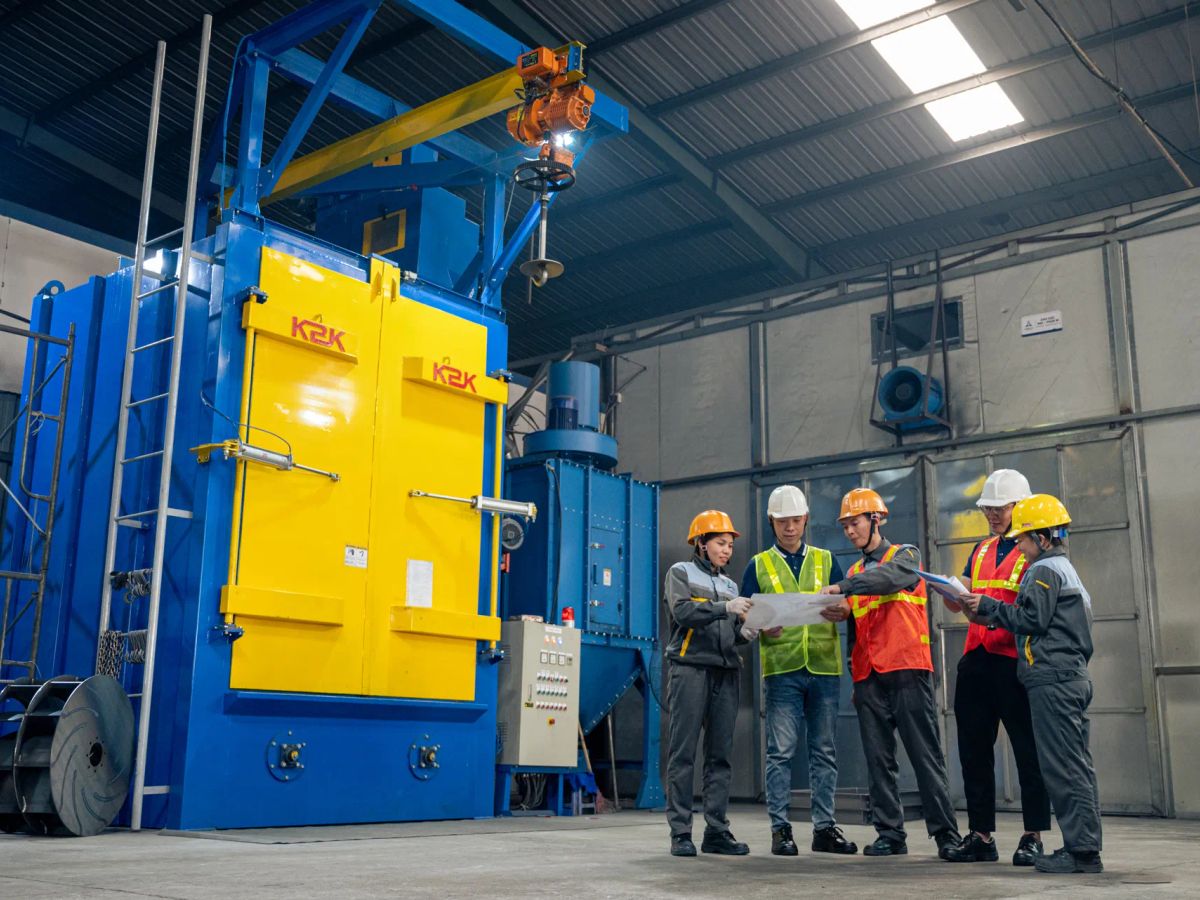
Achieving optimal dust collection in industrial woodworking settings often requires more than just selecting off-the-shelf equipment. It involves a strategic partnership with manufacturers who understand the complexities of airflow, filtration, and material handling. By working with experienced partners, businesses can develop tailored solutions that meet specific operational demands and regulatory requirements. This collaborative approach ensures that your dust collection system is not only effective but also integrated efficiently into your existing workflow, promoting a safer and cleaner working environment.
Collaborating for Superior Dust Collection Solutions
Partnering with Expert Manufacturers
When looking for a dust collection partner, consider manufacturers with a proven track record in industrial applications. Look for companies that offer custom design and engineering services, as these are key indicators of their ability to address unique challenges. A good partner will engage with you to understand your specific woodworking processes, the types of wood being processed, and the volume of dust generated. This detailed analysis is the first step toward creating a system that performs reliably and efficiently. For instance, VIMAX has worked with companies to install robust systems, demonstrating their capacity for large-scale projects and their understanding of industrial needs. Engaging with such partners can lead to significant improvements in air quality and operational safety.
Tailoring Systems to Unique Industrial Demands
Every woodworking operation has its own set of requirements. Factors such as the size of the workshop, the types of machinery used, and the specific wood species being worked with all influence the design of an effective dust collection system. Collaborating with a manufacturer allows for the creation of bespoke solutions. This might involve selecting specific filtration media, designing custom ductwork layouts, or integrating variable speed drives for optimized airflow. For example, a system designed for a high-volume furniture manufacturer will differ significantly from one needed for a small custom cabinet shop. Understanding these differences and working with a manufacturer who can adapt their designs is key to success. This ensures that the system is not just functional but also cost-effective in the long run.
Achieving Sustainable Air Quality Goals
Beyond immediate dust removal, a well-designed dust collection system contributes to long-term sustainability and compliance. Partnering with manufacturers who prioritize energy efficiency and environmental responsibility can help your business meet its green objectives. This includes selecting equipment with lower power consumption and ensuring that filtration systems effectively capture fine particles, preventing their release into the atmosphere. Accurate analysis of collected dust, often facilitated by your dust collector supplier, is also important for record-keeping and compliance purposes [2d78]. By focusing on these aspects, businesses can create a healthier workplace, improve product quality, and demonstrate a commitment to environmental stewardship. Exploring solutions that integrate advanced technologies can further support these goals, leading to a more sustainable operation overall.
Working together for better ways to handle dust is key. We create top-notch systems to keep your air clean and safe. Want to see how we can help you? Visit our website today to learn more about our dust collection solutions!
Moving Forward with Cleaner Air
So, we’ve talked about why keeping your workshop clean from wood dust is a big deal. It’s not just about making the place look nicer; it’s about your health and the quality of your work. Getting a good dust collection system in place is a smart move for any woodworker. It helps keep the air clear, makes your tools last longer, and honestly, it just makes the whole experience of woodworking more enjoyable. Think of it as an investment in your craft and your well-being. If you’re looking for reliable solutions to manage dust and improve your workshop’s air quality, consider exploring what VIMAX GLOBAL has to offer. They have a range of systems designed for different needs, and working with them means partnering with a company that understands industrial air quality.
