



Working in an industrial setting means dealing with dust. Lots of it. It’s not just a nuisance; it can be a real problem for both your equipment and the people working there. That’s where industrial dust collectors come in. But how exactly do these machines work to clean up the air? Let’s break down how an industrial dust collector works, step by step, so you can get a clearer picture of this important process.
Key Takeaways
- Industrial dust collectors draw in dirty air, separating dust particles before releasing cleaner air.
- Key components include a fan, housing, filter, and a dust collection bin or system.
- The process involves drawing air, filtering out particles, and then cleaning or disposing of the collected dust.
- Different types of collectors use various methods like fabric filters, cyclones, or wet scrubbing to remove dust.
- Proper maintenance and understanding how your specific unit operates are vital for efficient dust collection.
Understanding Industrial Dust Collection Systems
Industrial dust collection systems are designed to manage and remove airborne particulate matter generated during various manufacturing and processing operations. Their primary goal is to create a safer, cleaner work environment and to comply with environmental regulations. These systems capture dust at its source, preventing it from spreading throughout the facility and impacting air quality. The core functionality revolves around drawing contaminated air into the system, separating the dust particles, and then releasing cleaner air. As a leading manufacturer, VIMAX GLOBAL understands the critical role these systems play in industrial operations. We engineer robust, export-ready solutions tailored to diverse applications, ensuring reliability and performance. Our commitment to quality means you receive equipment built to last, meeting stringent international standards. We invite you to inquire about our dust collection solutions for your specific project needs.
The Core Functionality of Dust Collectors
At its heart, a dust collector is an air pollution control device. It functions by using a process to remove dust from the air. This typically involves drawing dusty air into the unit, passing it through a filtering medium, and then expelling the cleaned air. The captured dust is then collected in a bin or hopper for disposal or recycling. This process is crucial for maintaining workplace safety, protecting employee health, and preventing damage to equipment from abrasive dust particles. For businesses looking to improve their air quality and operational efficiency, understanding this core function is the first step.
Key Components and Their Roles
Industrial dust collectors are comprised of several key components, each performing a specific function to ensure effective dust capture:
- Inlet: This is where the dusty air enters the collector. It’s designed to direct the airflow efficiently towards the filtration media.
- Filtration Media: This is the core of the system, typically consisting of bags, cartridges, or other filtering elements that trap the dust particles. The choice of media depends on the type and size of the dust being collected.
- Housing: The outer shell that encloses all the internal components, providing structural integrity and protection.
- Cleaning System: Mechanisms like pulse-jet, shaker, or reverse-air systems are used to dislodge accumulated dust from the filter media, maintaining airflow and filter efficiency.
- Dust Discharge: A hopper or bin at the bottom of the collector where the dislodged dust accumulates for removal.
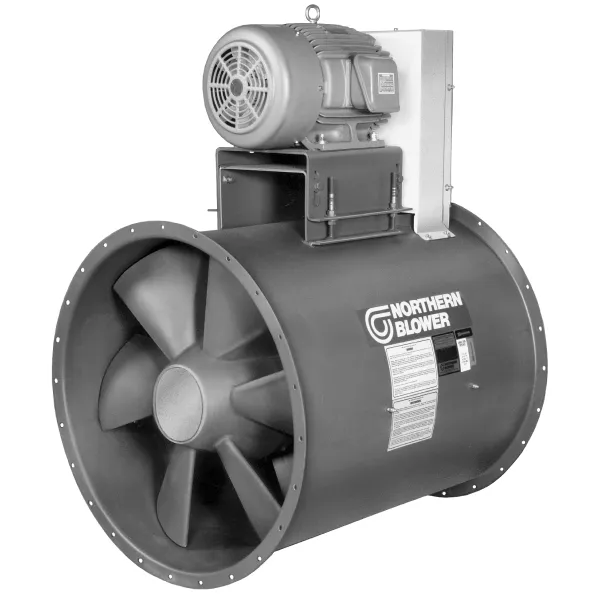
- Fan: The motor and fan assembly provide the suction needed to draw air through the system.
How Does an Industrial Dust Collector Work: A Step-by-Step Overview
- Air Intake: A fan draws contaminated air from the source (e.g., machinery, workstations) through ductwork into the dust collector.
- Particle Separation: As the air enters the collector, it passes through the filtration media. Dust particles are too large to pass through the pores of the media and are trapped on the surface.
- Air Cleaning: The filtered air, now free of most particulate matter, moves through the collector and is typically exhausted back into the atmosphere or recirculated within the facility.
- Filter Cleaning: Periodically, the filtration media needs to be cleaned to maintain optimal airflow. This is achieved through automated cleaning cycles (e.g., compressed air pulses) that dislodge the dust from the filter surfaces.
- Dust Collection: The dislodged dust falls from the filters into a collection hopper or bin located at the base of the unit.
- Dust Disposal: The collected dust is then removed from the hopper for proper disposal or further processing.
Understanding these steps highlights the integrated nature of a dust collection system. At VIMAX GLOBAL, we engineer these systems with precision, ensuring each component works in harmony for maximum efficiency and longevity. We are ready to discuss your specific operational needs and how our custom-engineered solutions can benefit your business. Reach out to us to explore a partnership.
The Mechanics of Particle Separation
Industrial dust collectors are engineered to efficiently remove particulate matter from the air. This process relies on a combination of airflow dynamics, specialized filtration media, and robust mechanisms for dust removal. Understanding these core mechanics is key to appreciating the industrial quality and export readiness of systems designed for demanding environments.
The Mechanics of Particle Separation
Airflow Dynamics in Dust Collection
The journey of airborne dust begins with its intake into the collection system. This is typically driven by powerful industrial fans, which create a negative pressure, drawing contaminated air from the source. The design of the ductwork and the fan itself dictates the velocity and volume of air processed. Proper airflow management is critical to ensure that all dust particles, regardless of size, are effectively transported to the filtration stage. Factors like static pressure, air velocity, and system resistance must be carefully calculated to optimize performance. For instance, insufficient airflow can lead to dust settling in ducts, while excessive velocity might damage filter media or reduce capture efficiency. VIMAX GLOBAL understands these nuances, integrating high-performance industrial fans into our designs to guarantee consistent and effective air movement.
Filtration Media and Efficiency
Once the dust-laden air enters the collector, it passes through filtration media, which act as the primary barrier for particle capture. The type of media used is crucial and depends on the nature of the dust, temperature, and required efficiency. Common media include:
- Woven fabrics: Often used for coarser dust particles and higher temperature applications.
- Non-woven felts: Provide a denser surface for capturing finer particles, offering higher efficiency.
- Specialty media: Such as PTFE membranes or treated materials, designed for specific chemical resistance or ultra-fine particle capture.
The efficiency of a dust collector is often measured by its ability to remove particles of a specific size. High-efficiency particulate air (HEPA) filters, for example, are designed to capture 99.97% of particles 0.3 microns in size. Our manufacturing process focuses on selecting and integrating filtration media that meet stringent international standards, ensuring reliable performance for export markets.
Mechanisms for Dust Removal and Disposal
As dust accumulates on the filter media, it must be periodically removed to maintain airflow and collection efficiency. The method of dust removal varies depending on the collector type and the characteristics of the dust. Common mechanisms include:
- Mechanical Shaking: Filters are agitated by a shaking mechanism to dislodge dust.
- Pulse Jet Cleaning: A blast of compressed air is directed at the filters, creating a shockwave that cleans the media.
- Rotary Air Locks: Used at the bottom of the collector to discharge collected dust into hoppers or containers without allowing air to escape.
These systems are designed for durability and ease of maintenance, reflecting our commitment to industrial quality. Efficient dust disposal is not only vital for the collector’s operation but also for safe handling and environmental compliance. We engineer our systems with robust disposal components, ready for global deployment.
The effectiveness of a dust collection system hinges on the synergy between its components. From the initial air intake managed by powerful fans to the final disposal of captured particulates, each stage is meticulously designed to work in concert. This integrated approach ensures optimal performance and longevity, even in the most challenging industrial settings. Partnering with VIMAX GLOBAL means collaborating with a manufacturer that prioritizes these mechanical intricacies for your operational success. We invite you to inquire about our tailored solutions for your specific dust collection needs.
Types of Industrial Dust Collectors
Choosing the right industrial dust collector is key to effective air quality management. Different types of collectors are designed for specific dust characteristics and operational needs. Understanding these distinctions helps in selecting a system that offers optimal performance and longevity for your facility.
Exploring Different Collection Technologies
Several primary technologies are used in industrial dust collection, each with its strengths. Baghouses, for instance, are robust and handle large volumes of fine dust effectively. They use fabric bags to filter the air, and these bags are periodically cleaned to release the collected dust. Cartridge collectors, on the other hand, are more compact and use pleated cartridges for filtration. They are often favored for their ease of maintenance and suitability for a wider range of dust types. Wet scrubbers, or wet collectors, use a liquid (usually water) to capture dust particles. This method is particularly useful for combustible dusts or when high-temperature gases are involved, as it can also cool the air and absorb certain gases. Each technology has specific applications where it excels, making the choice dependent on the nature of the dust and the process.
Selecting the Right Collector for Your Application
When selecting a dust collector, consider several factors. The type and size of dust particles are critical; fine, sticky, or abrasive dusts require different filtration media and housing designs. The volume of air to be processed dictates the required capacity of the collector. Additionally, consider the operating temperature and moisture content of the air stream, as well as any potential fire or explosion hazards. VIMAX GLOBAL offers tailored solutions, working collaboratively with clients to engineer systems that precisely match unique industrial challenges. Our team can help assess your specific needs, whether for material processing, food and beverage, or energy sectors, to recommend the most suitable dust collection systems.
Wet vs. Dry Dust Collection Systems
Dry dust collection systems, like baghouses and cartridge collectors, separate dust from the air using dry filtration media. The collected dust is then typically discharged as a dry powder. These systems are common in many industries due to their efficiency and relatively straightforward operation. Wet dust collection systems use a liquid medium to trap dust. This method is advantageous for managing combustible dusts, as it can reduce explosion risks, and for capturing fine particles that might otherwise be difficult to filter. It also offers the benefit of cooling hot gases and absorbing some airborne contaminants. The choice between wet and dry systems often depends on safety requirements, the nature of the dust, and downstream processing needs. For businesses looking for reliable, export-ready solutions, partnering with a manufacturer like VIMAX ensures access to high-quality cartridge dust collectors and other advanced air filtration technologies. We invite you to inquire about your specific project needs or explore potential partnerships.
Optimizing Performance and Maintenance
To get the most out of your industrial dust collector, consistent upkeep is key. Think of it like any complex machinery; regular attention prevents bigger problems down the line and keeps things running smoothly. This section covers how to keep your system in top shape.

Optimizing Performance and Maintenance
Ensuring System Longevity Through Proper Care
Proper care means more than just fixing things when they break. It’s about proactive steps that extend the life of your equipment and maintain its effectiveness. This includes regular inspections, cleaning, and replacing parts before they fail. For example, checking filter bags for wear and tear, cleaning out dust hoppers, and lubricating moving parts like fans are all vital tasks. Adhering to a strict maintenance schedule, often outlined by the manufacturer, is the best way to avoid unexpected downtime and costly repairs. Partnering with a manufacturer like VIMAX, which understands the importance of industrial quality and export readiness, means you get systems built for durability and backed by support.
Troubleshooting Common Dust Collector Issues
Even with the best maintenance, issues can arise. Common problems include reduced airflow, increased pressure drop, and excessive dust leakage. Reduced airflow might point to clogged filters, fan problems, or leaks in the ductwork. An increased pressure drop usually indicates that the filters are becoming too full and need cleaning or replacement. Dust leakage often suggests damaged seals or worn-out filter media. Identifying the root cause quickly is important. For instance, if you notice a persistent drop in airflow, a thorough inspection of the filter media and ductwork integrity is a good starting point. Understanding these common issues helps in quick diagnosis and repair, keeping your operations efficient.
Achieving Peak Efficiency in Particle Capture
Peak efficiency in particle capture is about fine-tuning your system. This involves several factors. First, selecting the correct filter media for the specific dust type is critical. Different materials have different efficiencies and lifespans. Second, maintaining optimal airflow velocity through the collector is important; too fast can reduce capture efficiency, while too slow can lead to dust settling in the ducts. Finally, regular monitoring of system performance, perhaps using digital tools for real-time data, can help identify deviations from optimal performance. Embracing digitalization can significantly boost plant performance by providing smarter monitoring and control systems for your dust collection systems. If you’re looking to optimize your current setup or need a new system designed for maximum efficiency, consider reaching out to VIMAX for collaborative engineering solutions.
Collaborative Engineering for Air Solutions
Tailored Designs for Unique Industrial Challenges
At VIMAX, we recognize that no two industrial environments are identical. That’s why our approach to dust collection systems is rooted in collaborative engineering. We work closely with your team to understand the specific particulate matter, airflow requirements, and operational constraints of your facility. This allows us to develop bespoke solutions that precisely address your unique challenges, moving beyond generic systems to provide truly effective air quality management. Our engineering process includes advanced simulation tools like Finite Element Analysis (FEM) and Computational Fluid Dynamics (CFD) to predict system behavior and optimize performance before manufacturing even begins. This meticulous approach ensures that the final product is not only functional but also robust and long-lasting.
Partnering for Performance and Environmental Goals
Achieving optimal dust collection performance and meeting environmental regulations requires a strategic partnership. VIMAX GLOBAL is committed to working alongside your organization to align our engineered solutions with your specific performance targets and sustainability objectives. We believe in creating systems that not only capture dust efficiently but also contribute to a healthier workplace and a reduced environmental footprint. Our commitment extends beyond initial installation; we provide ongoing support and consultation to help you maintain peak operational efficiency and adapt to evolving industry standards. We are proud to be a manufacturing partner that helps industries achieve their green goals.
Global Standards in Air System Manufacturing
As a global supplier, VIMAX GLOBAL adheres to stringent international quality standards in every aspect of our air system manufacturing. Our dust collectors and associated components are designed and built to meet rigorous performance and safety benchmarks, making them export-ready for diverse markets. We understand the importance of reliability and consistency, especially in demanding industrial applications. Each system undergoes thorough testing in our advanced testing facilities to verify its performance and durability. This dedication to quality assurance means you can trust VIMAX GLOBAL to provide industrial-grade solutions that perform exceptionally, anywhere in the world. If you’re looking for a reliable partner for your air quality needs, we invite you to inquire about our solutions and explore potential collaborations.
Working together on air solutions makes things better. We team up to create amazing air systems that help industries run smoothly and cleanly. Want to see how we can improve your air quality? Visit our website to learn more about our innovative approaches and discover how we can help your business.
Putting It All Together
So, we’ve walked through how industrial dust collectors work, from pulling in dirty air to cleaning it up. It’s a pretty neat process that keeps workplaces safer and healthier. Understanding these systems is key for any business looking to improve air quality. If you’re thinking about getting a dust collection system or need to upgrade your current setup, remember that quality and reliability matter. Companies like VIMAX GLOBAL, with their focus on custom solutions and global standards, are great partners to consider for your air system needs. They know their stuff and can help you find the right fit for your specific situation.
Read more: Mastering Woodworking: Essential Tips on How to Dust Collection Woodworking
