


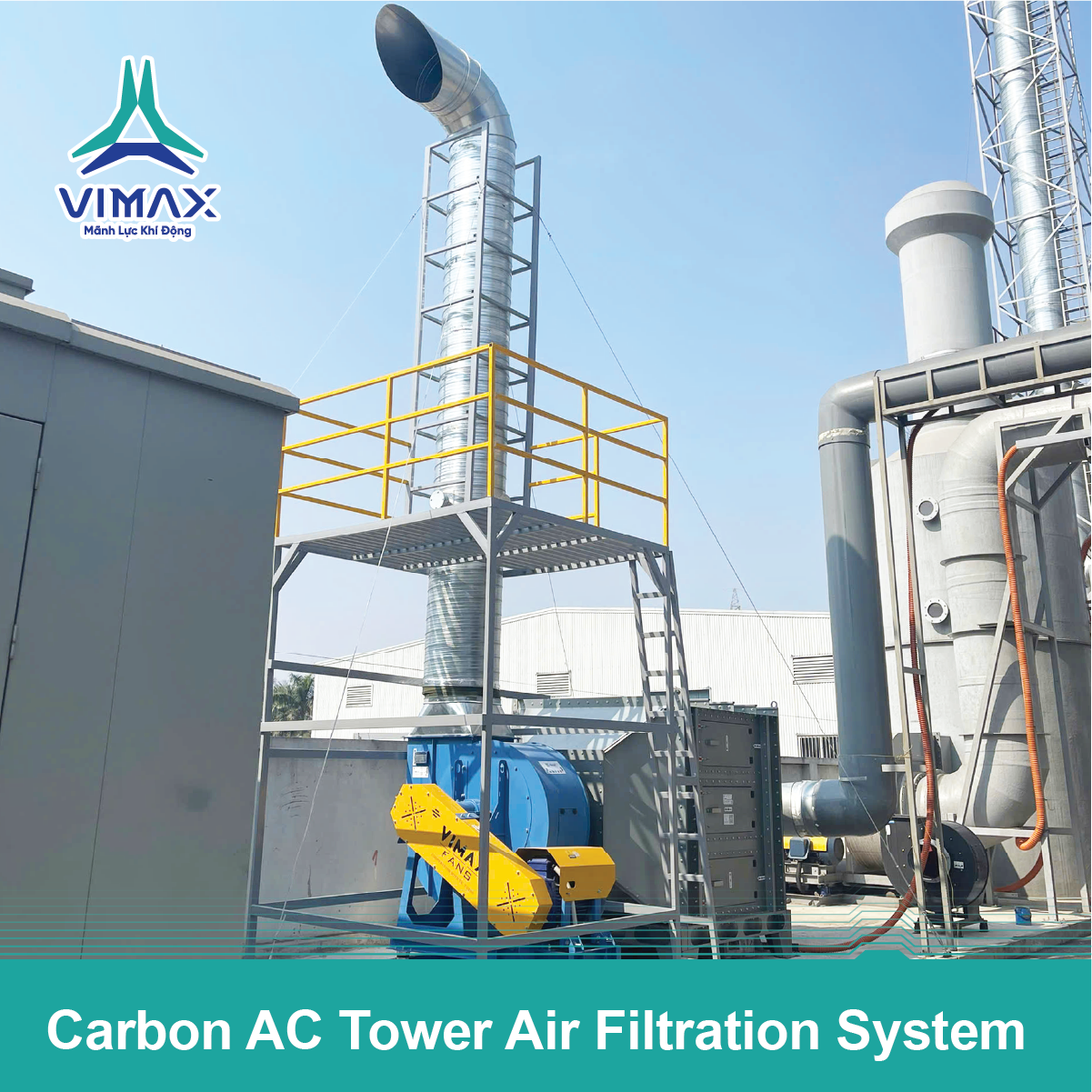
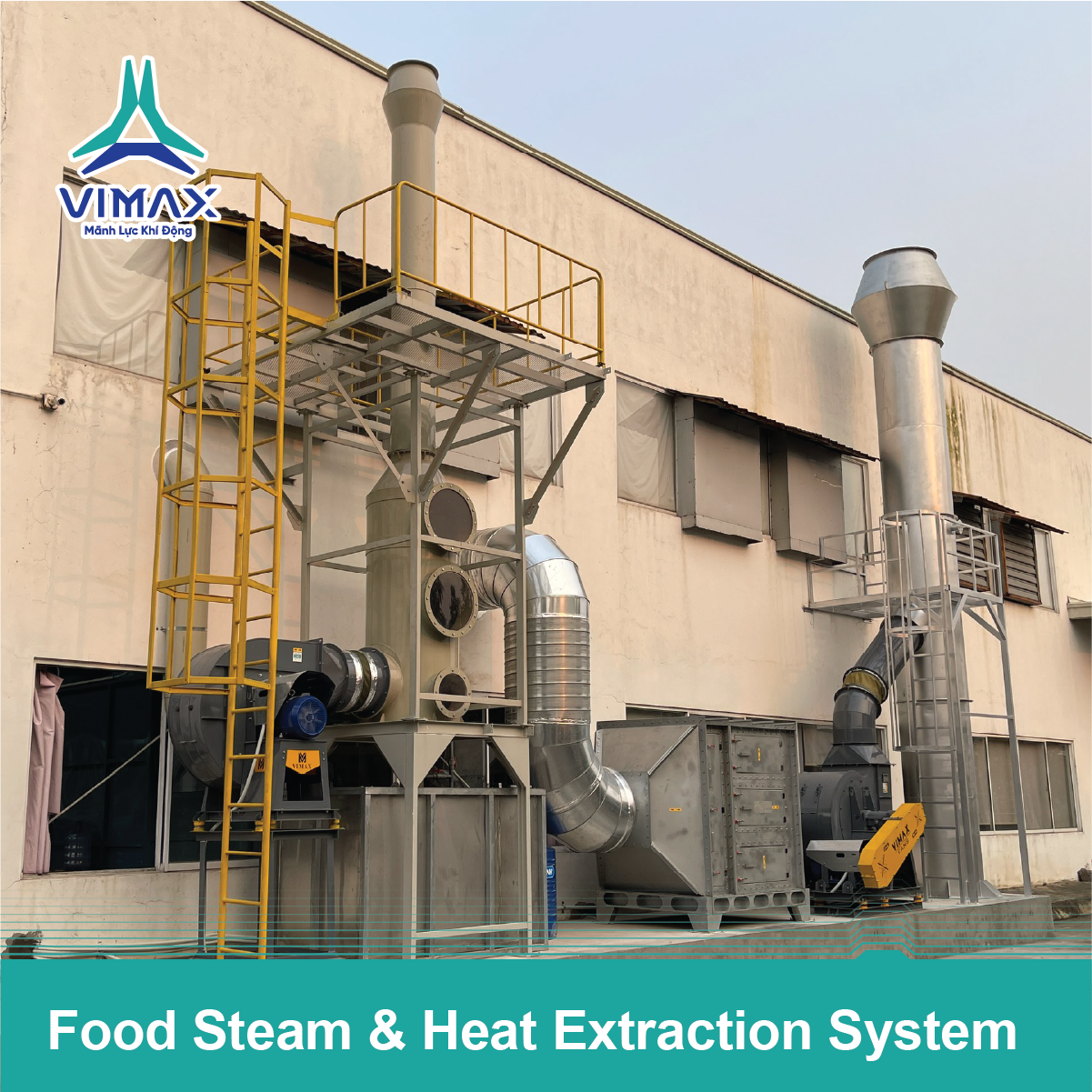




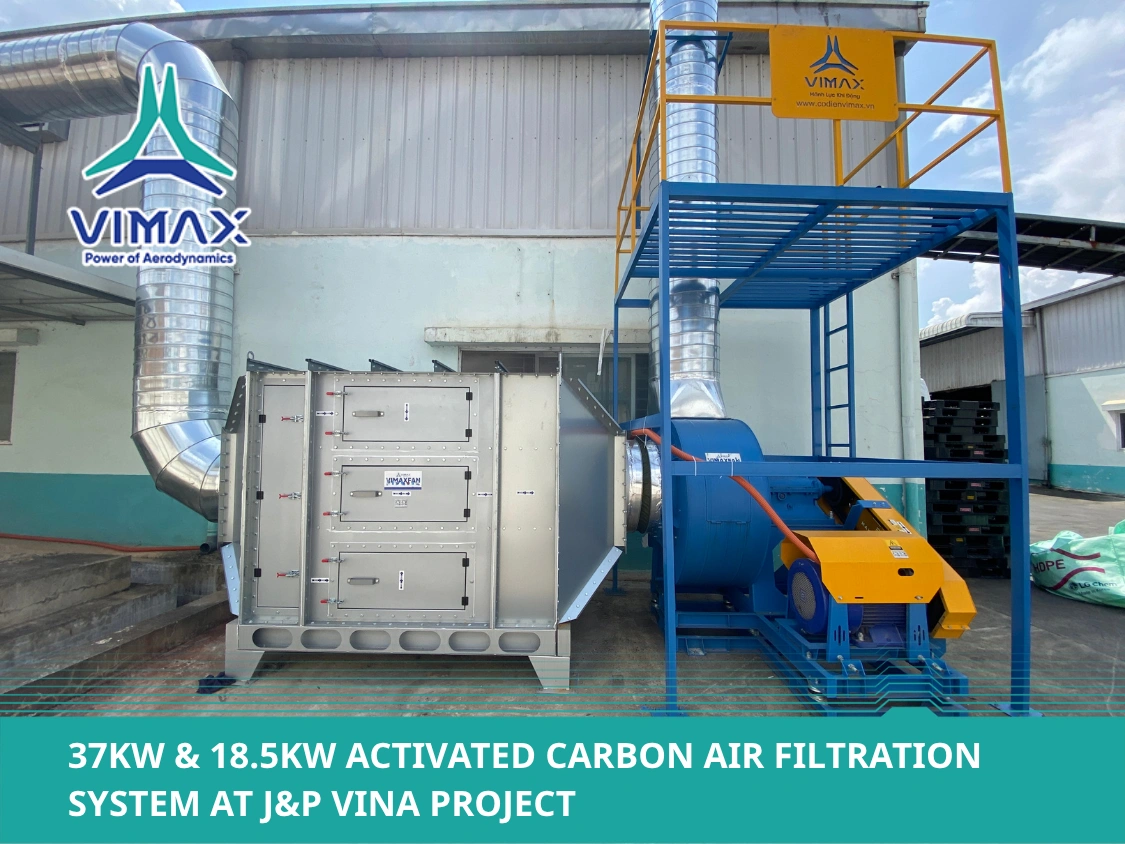
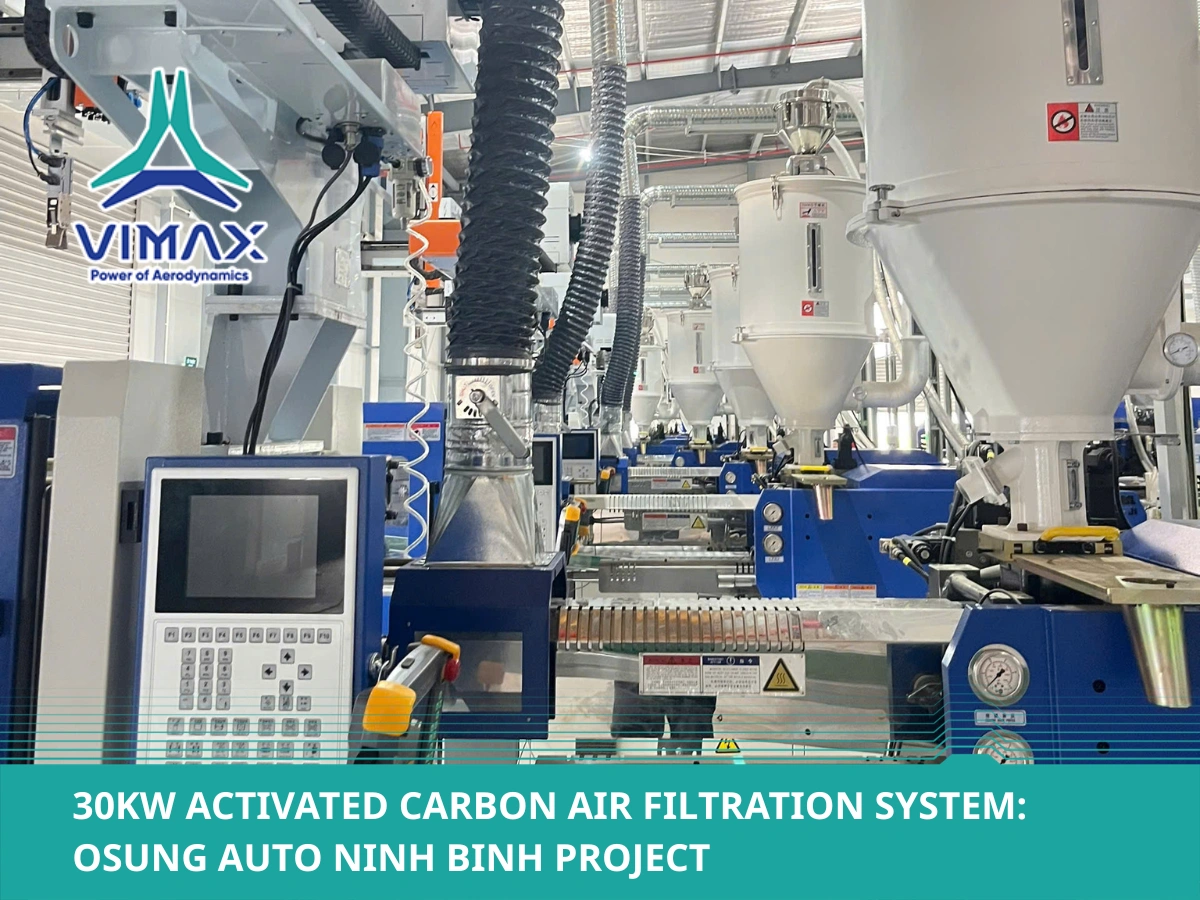
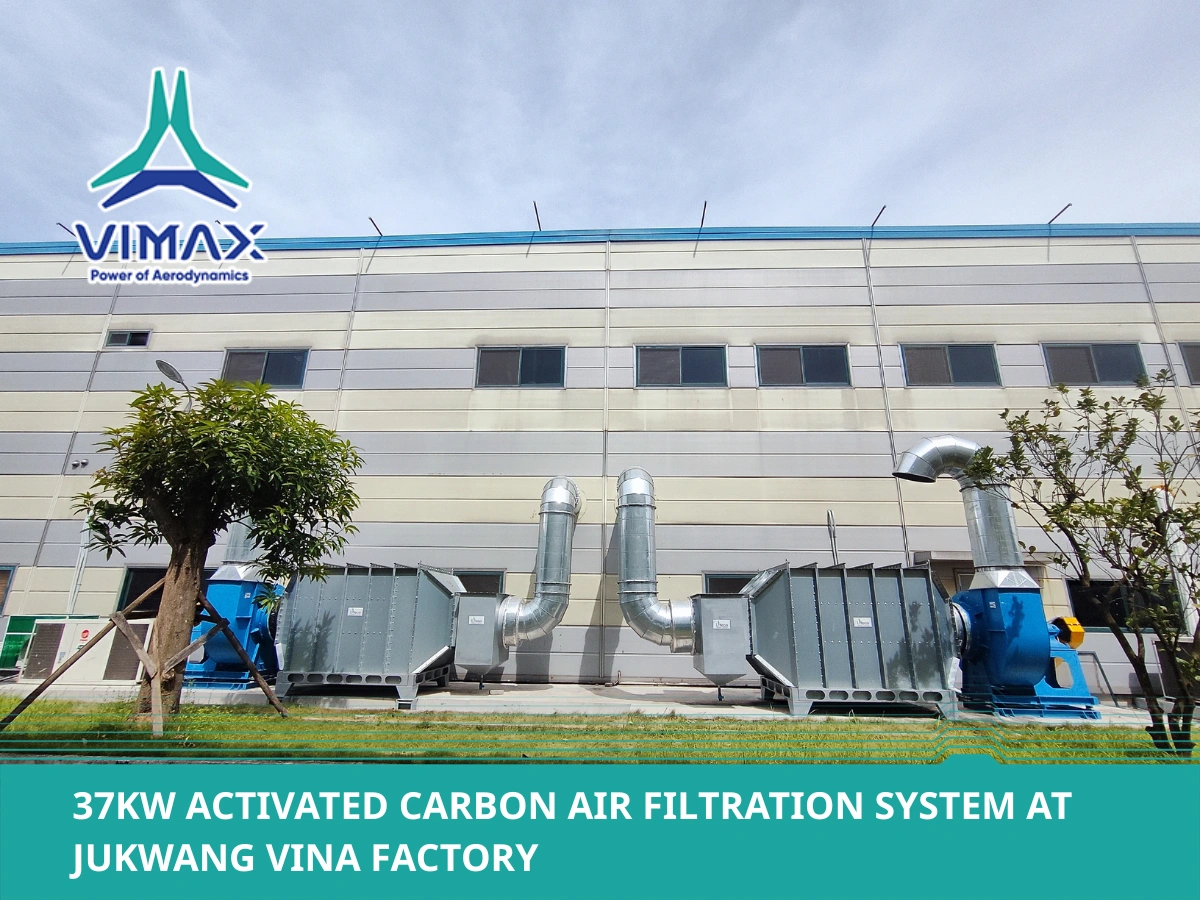
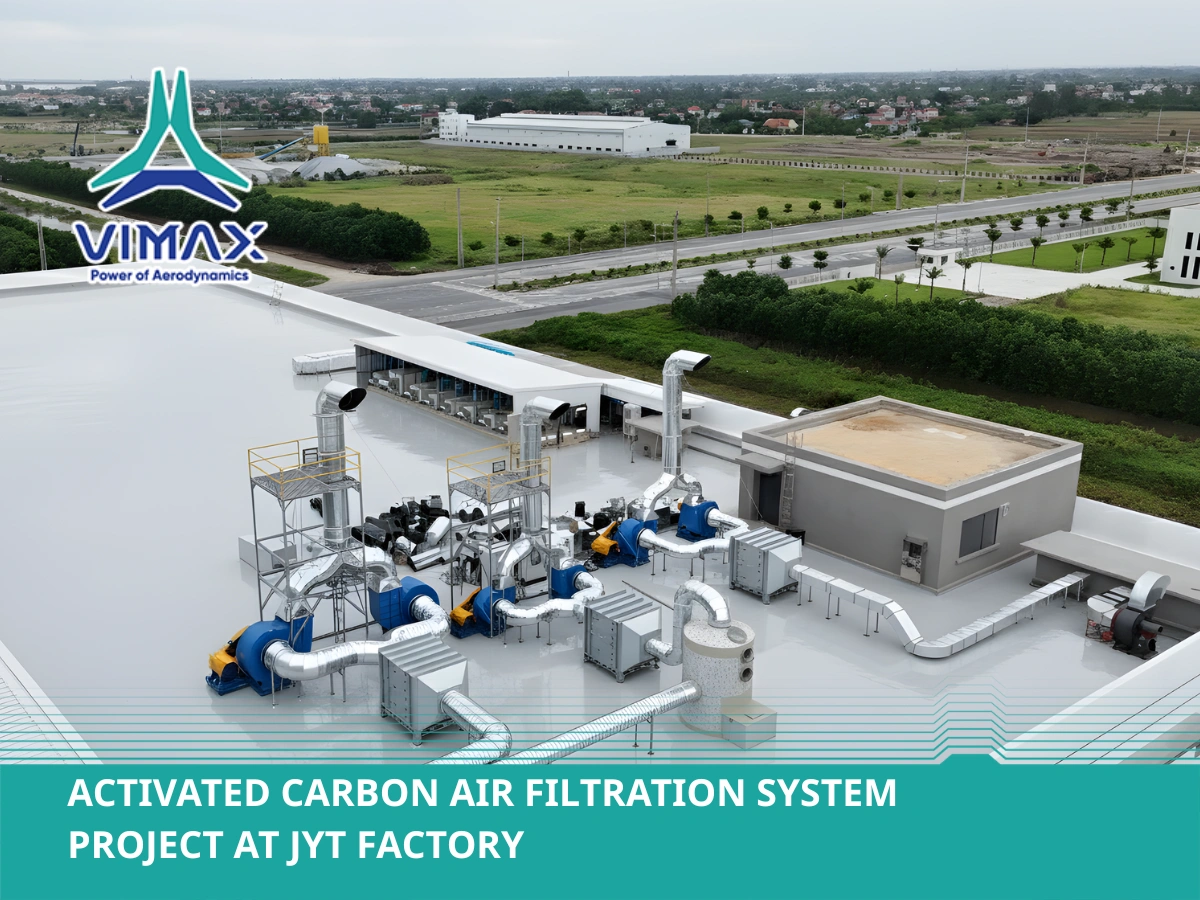
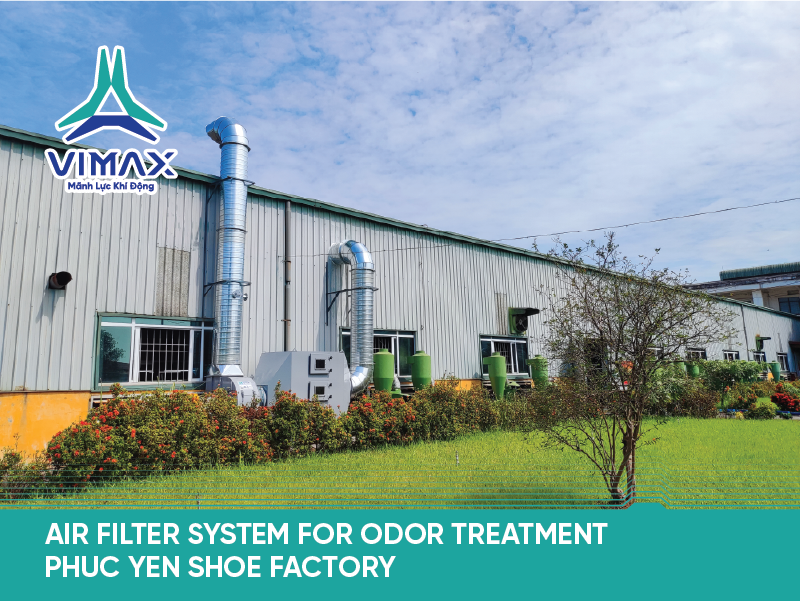

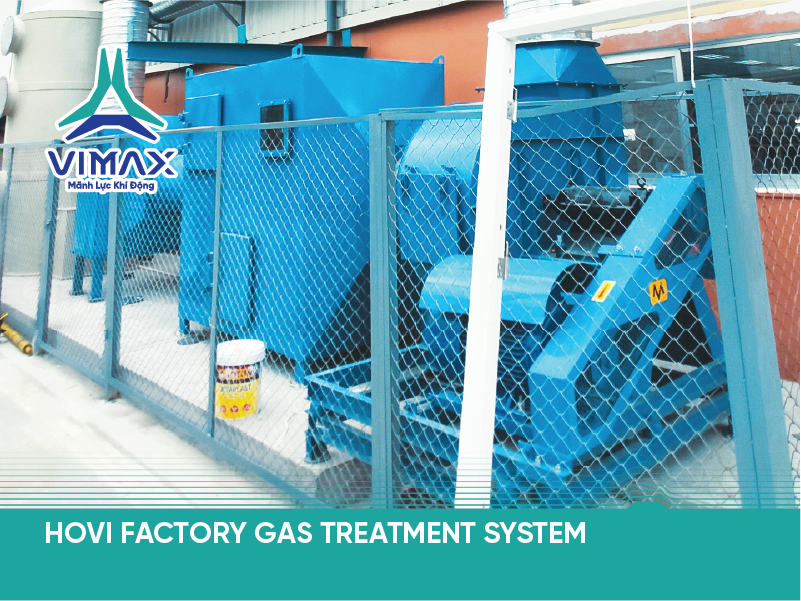
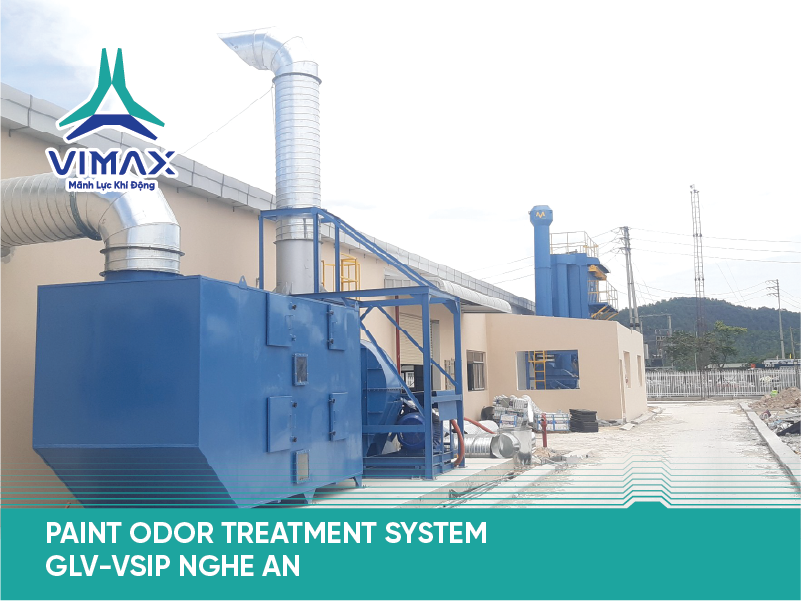
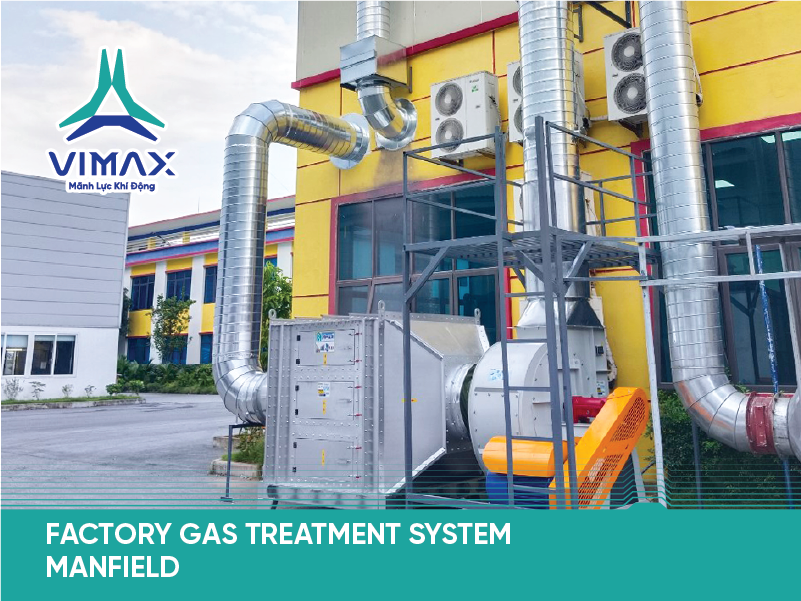
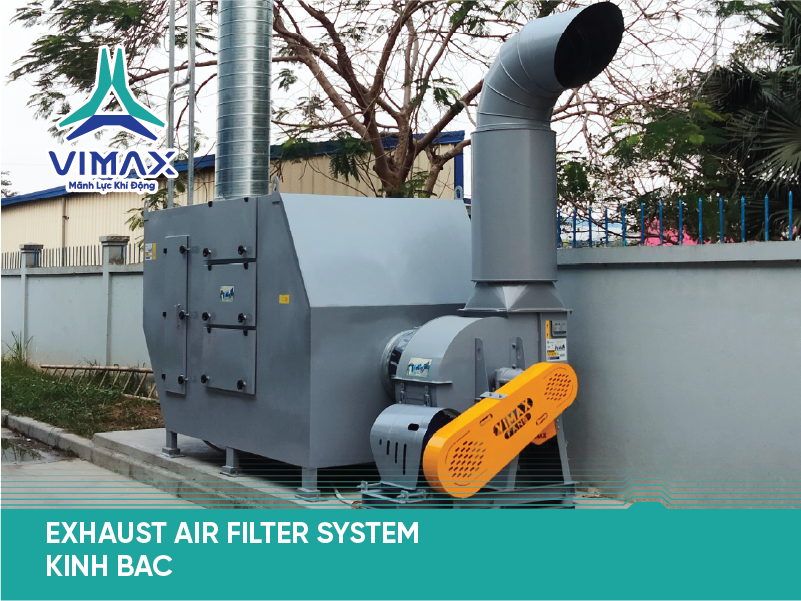

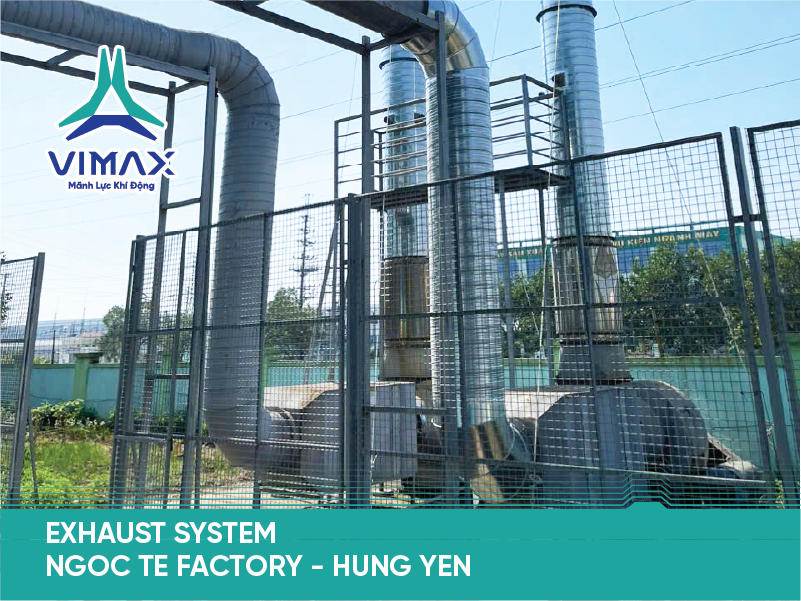
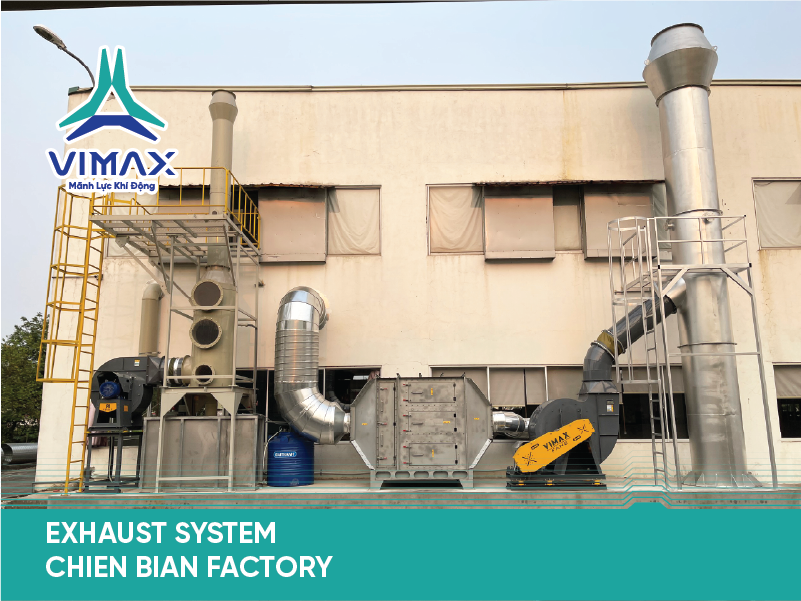
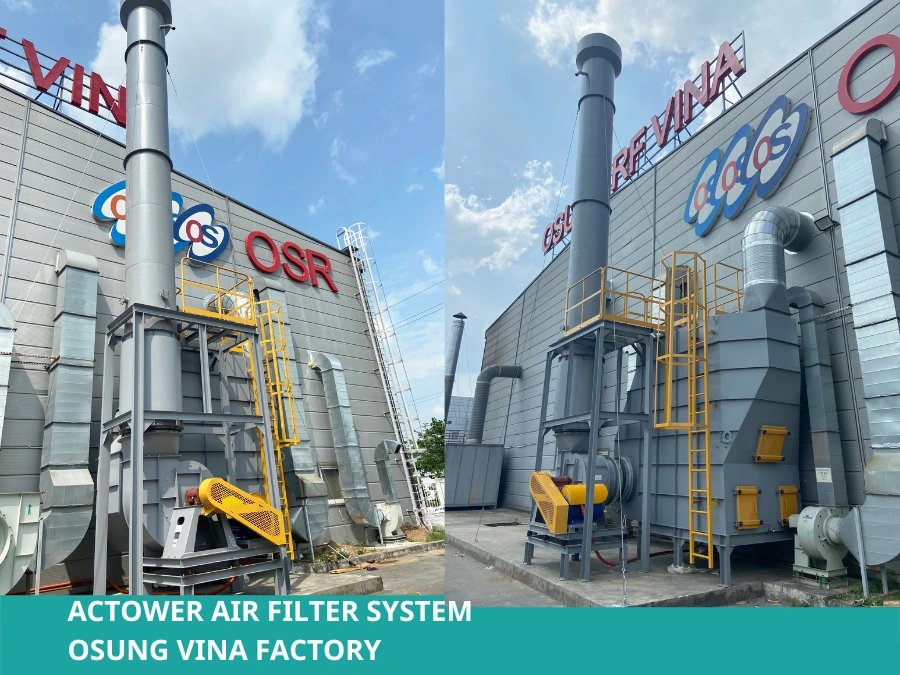
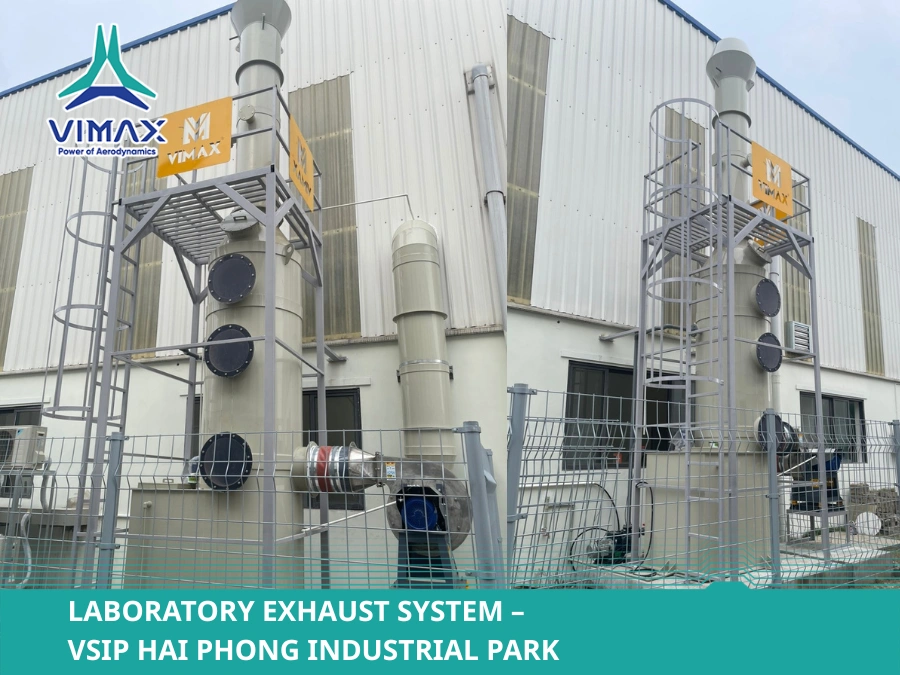
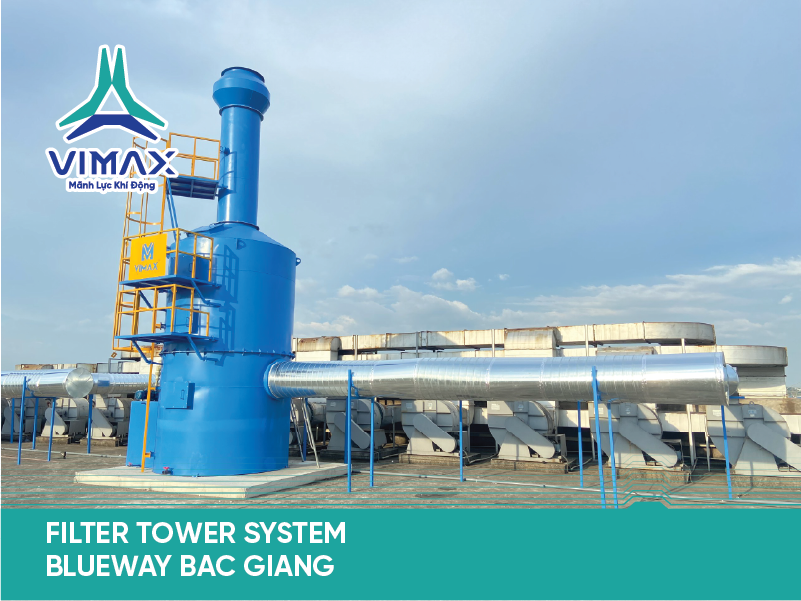
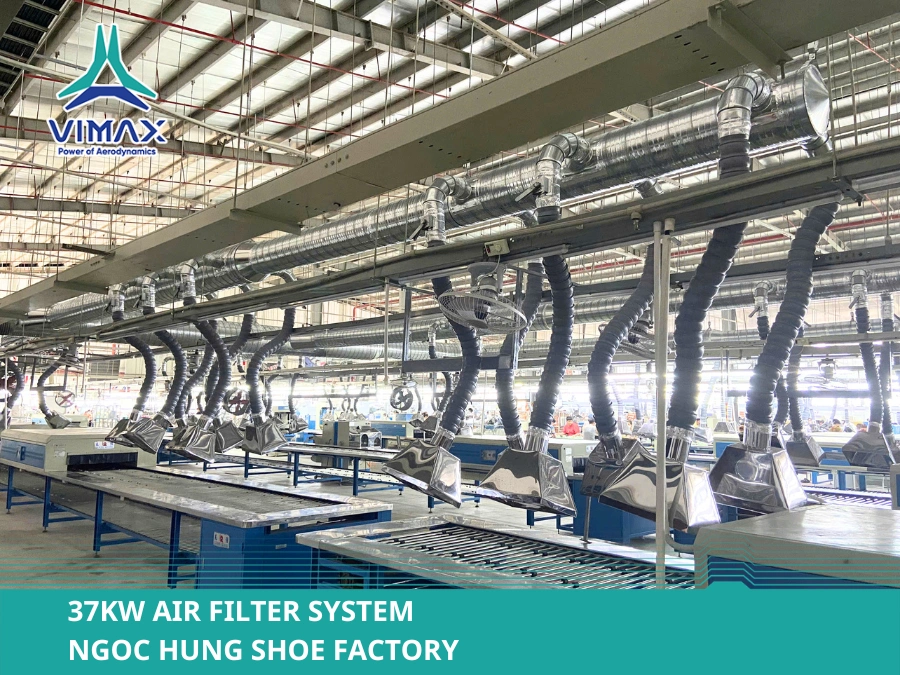
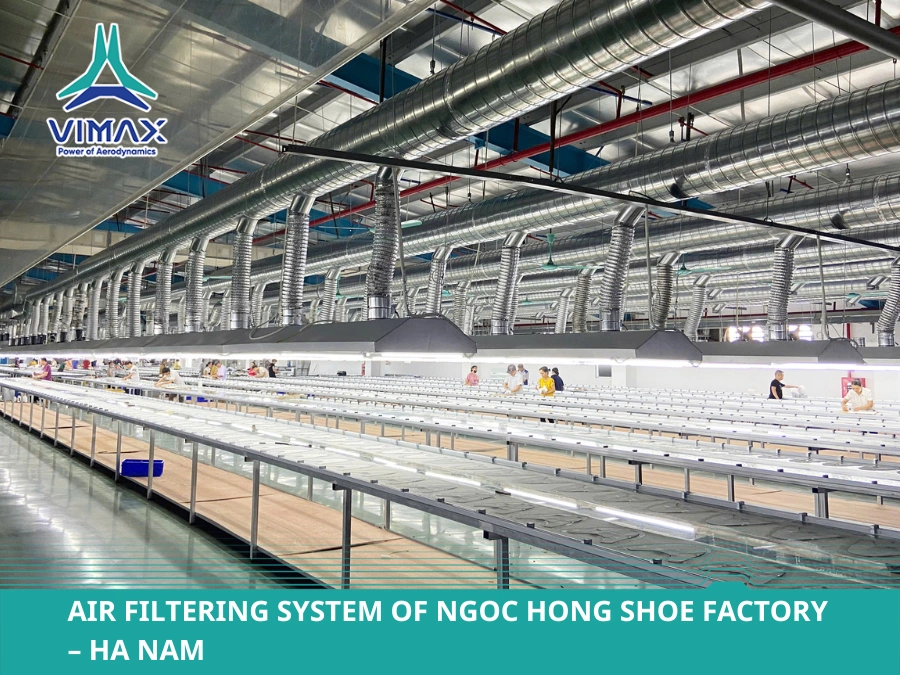
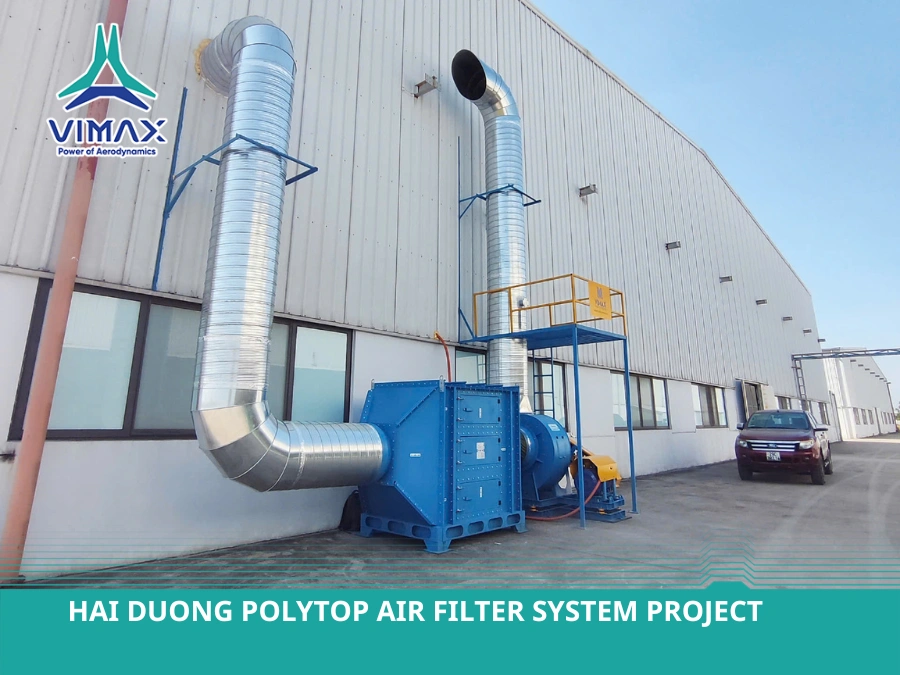
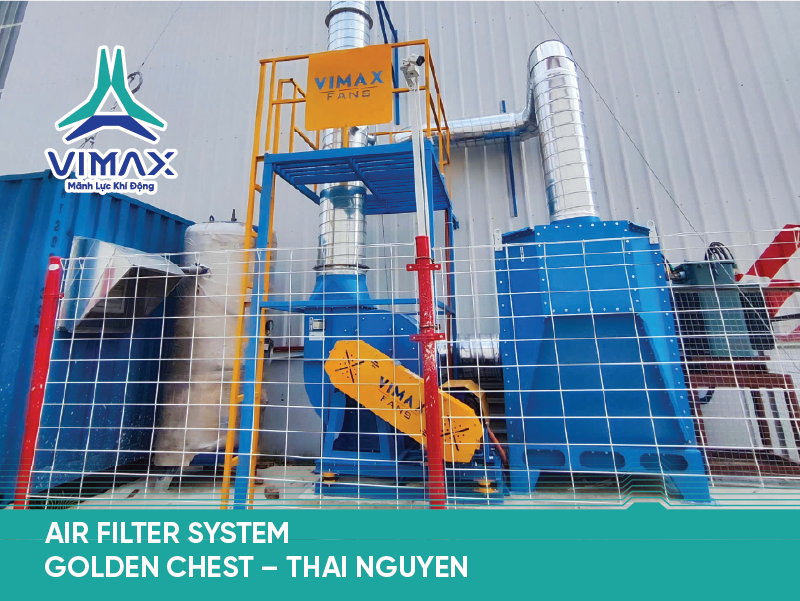
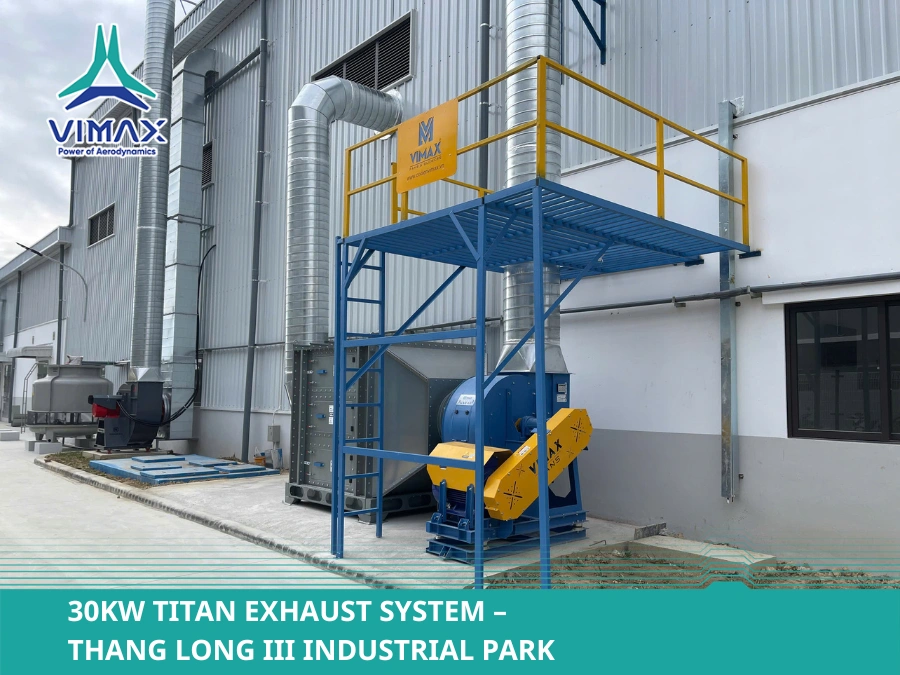
An air filtration system is a device or system that removes contaminants from the air. In an industrial setting, this involves a powerful fan pulling air through a series of complex filters designed to capture specific pollutants like fine dust, smoke, oil mist, chemicals, and odors.
A dust collector (like a cyclone or baghouse) is built to handle high volumes of heavy dust at the source. An air filtration system is built to handle lower volumes of microscopic particles (like fine dust, smoke, and gases) from the ambient air. They are often used together.
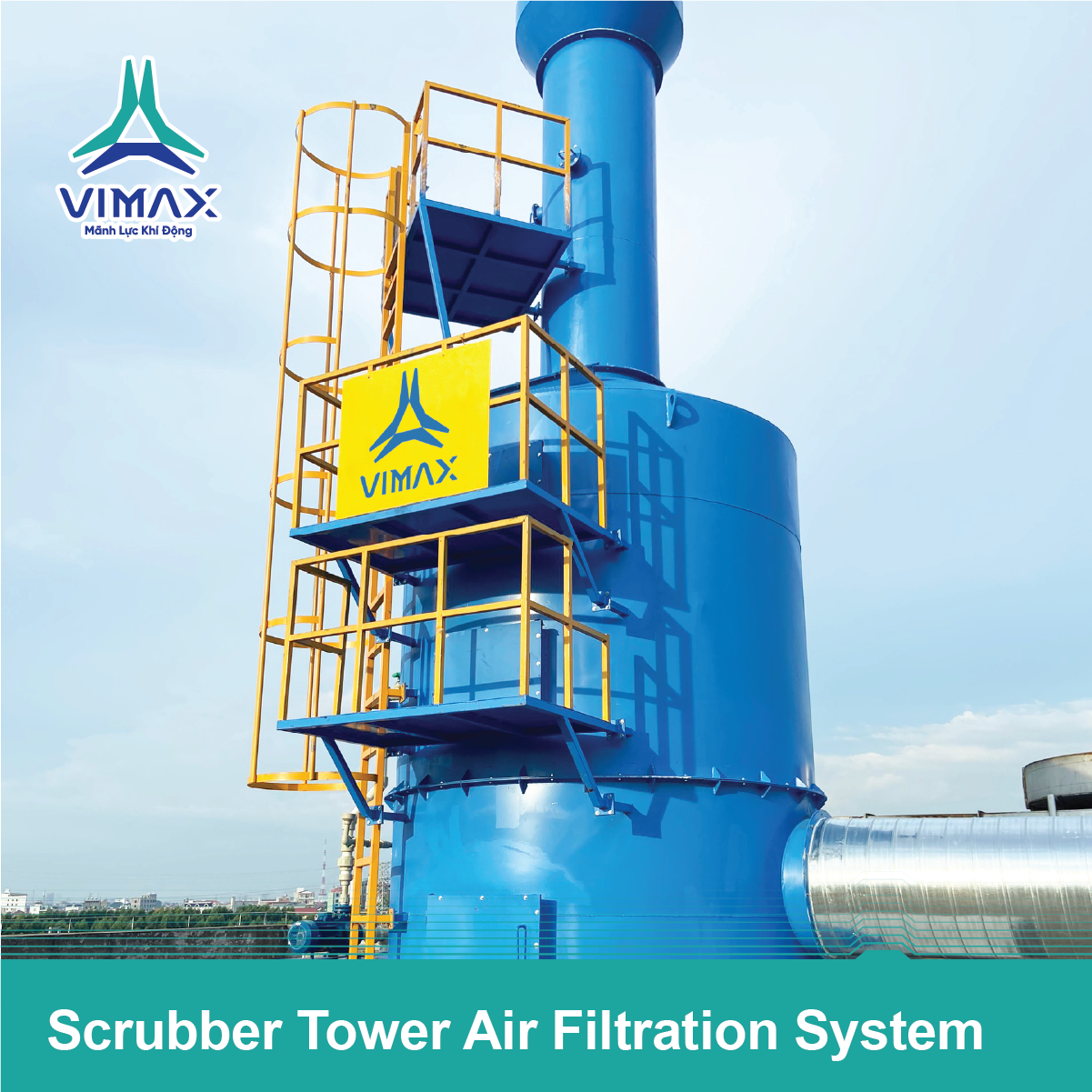
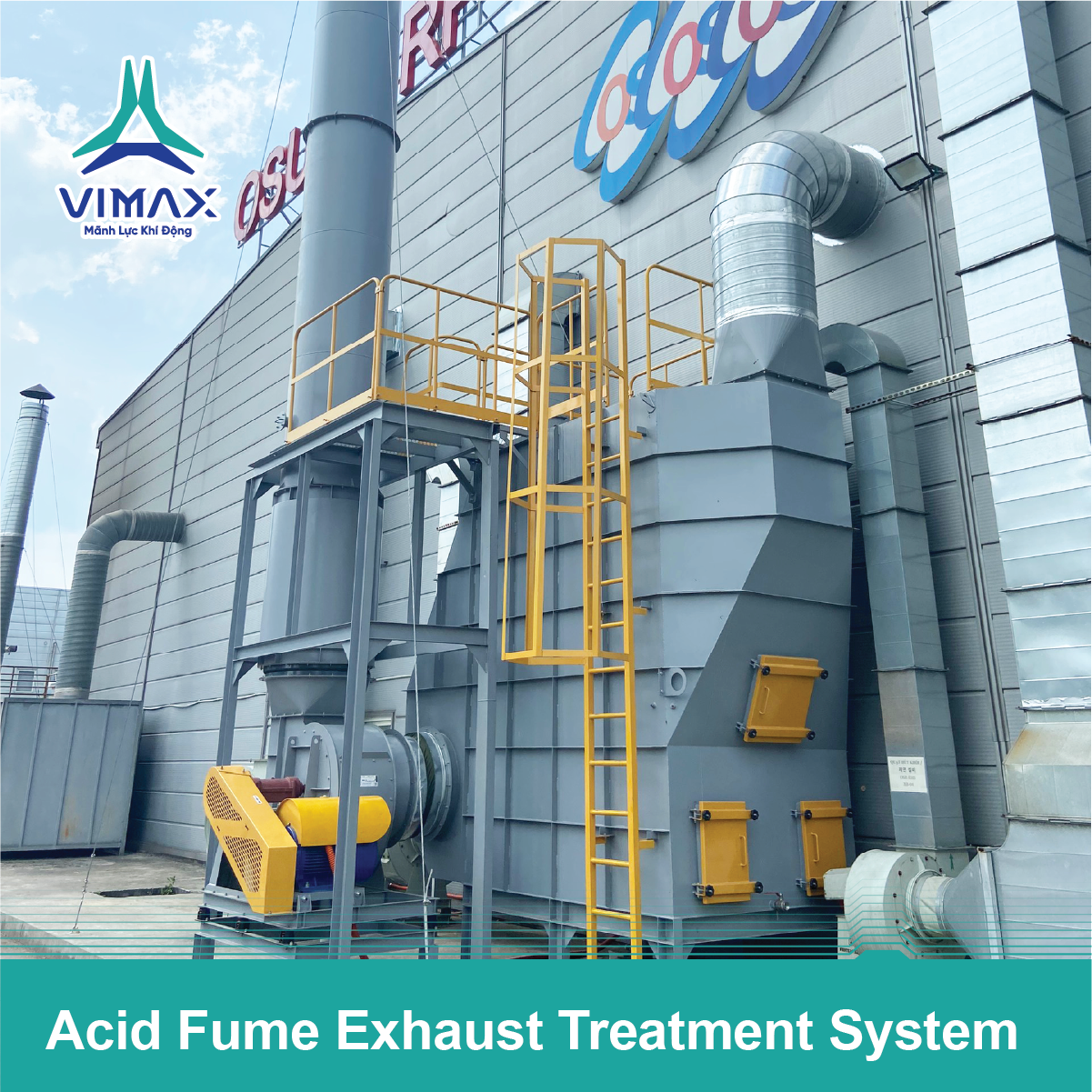
An industrial air scrubber is a type of air purification system that primarily uses a liquid (usually water) to “scrub” pollutants from the air. It’s extremely effective at removing toxic gases, chemicals, and acids that can’t be caught by a dry filter.
Sizing depends on your facility’s volume (m³), the rate of contaminant generation, and the required number of “Air Changes per Hour” (ACH). Our engineers perform a detailed analysis to calculate these needs and recommend a system that is both effective and energy-efficient.
Filter lifespan depends on the contaminant load and hours of operation. Our systems are designed with smart controls, including pressure gauges, that tell you exactly when a filter is full, so you don’t waste money by changing them too early or risk safety by changing them too late.
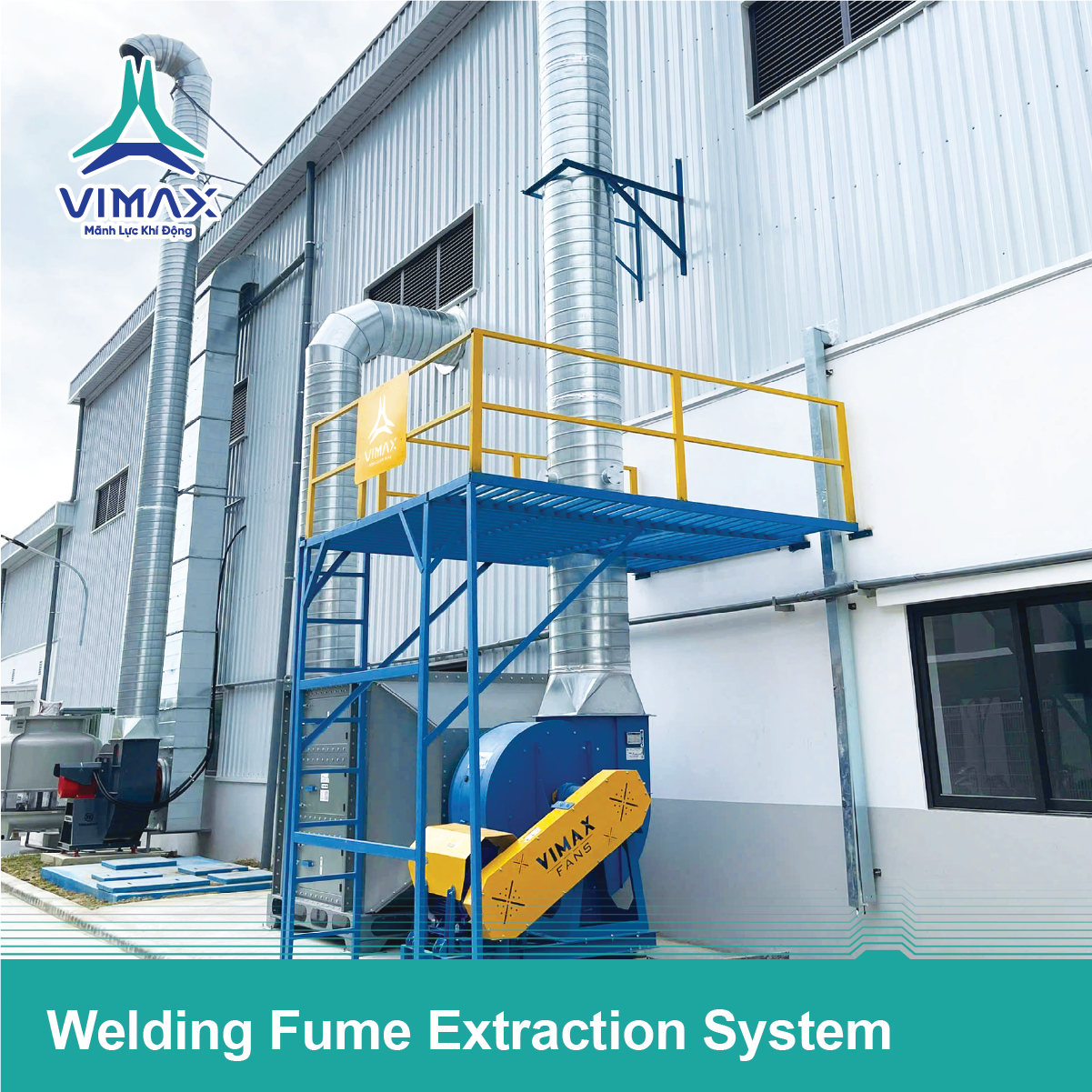
Yes. An industrial smoke filtration system is a specific type of air filtration system that uses high-efficiency filters (like HEPA) or electrostatic precipitators to capture the sub-micron particles that make up smoke and fumes from welding, cutting, or oil mist.
