


Working with dust in any industrial setting can be a real hassle, right? You’ve probably seen it floating around, settling on everything, and maybe even wondered if there’s a better way to handle it. That’s where a dust collection system comes in. Think of it as your go-to solution for cleaning up the air in your workspace. This article will break down what exactly a dust collection system is and why having one is a pretty smart move for any operation.
Key Takeaways
- A dust collection system is designed to capture and remove airborne particles from your work environment.
- These systems are vital for making workplaces safer and healthier for everyone.
- Implementing a good dust collection setup can actually make your business run smoother and more productively.
- Choosing the right system means looking at the type of dust you deal with and how much air needs cleaning.
- Regular upkeep is important to keep your dust collection system working its best.
Understanding What Is A Dust Collection System
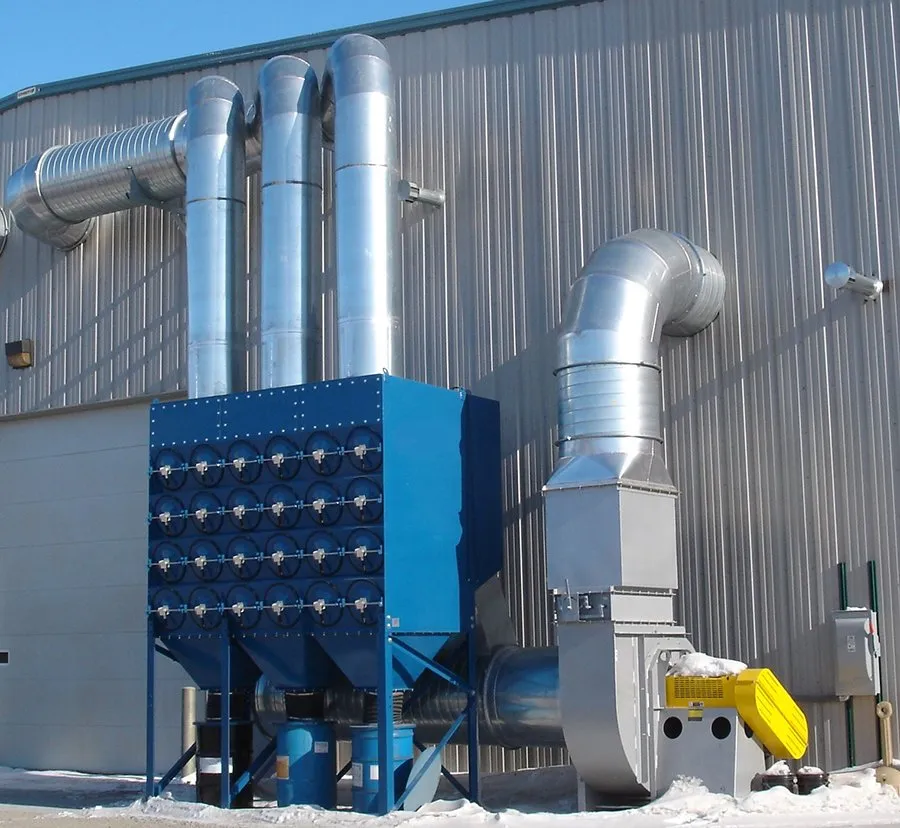
In industrial settings, managing airborne particles is more than just tidiness; it’s about safety, efficiency, and compliance. A dust collection system is essentially an engineered setup designed to capture and remove dust, fumes, and other particulate matter from the air within a workspace. These systems are critical for maintaining a healthy environment and protecting both personnel and equipment. They work by drawing contaminated air through ductwork, filtering out the unwanted particles, and then returning cleaner air to the environment or exhausting it safely.
Defining Industrial Dust Collection
Industrial dust collection refers to the specialized equipment and processes used in manufacturing, processing, and other industrial operations to control airborne contaminants. Unlike simple shop vacuums, industrial systems are built for continuous operation, high volumes of dust, and often handle materials that can be hazardous or explosive. They are a key part of a facility’s infrastructure, directly impacting air quality and operational integrity. For businesses looking to improve their air quality, exploring industrial dust collection systems is a necessary step.
Core Components of a Dust Collection System
Most industrial dust collection systems share a common set of core components, though their specific design and scale can vary greatly:
- Hoods and Capture Devices: These are positioned at the source of dust generation (e.g., cutting machines, conveyor transfer points) to capture particles before they disperse into the air.
- Ductwork: A network of pipes that transports the dust-laden air from the capture points to the collection unit.
- Dust Collector: The central unit where the actual separation of dust from the air occurs. This can include various technologies like baghouses, cyclones, or wet scrubbers.
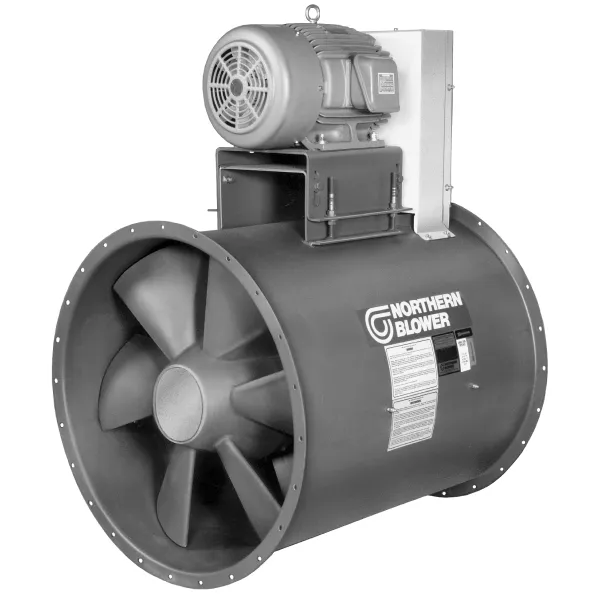
- Fan/Blower: The power unit that creates the airflow needed to move the dust-laden air through the system.
- Discharge System: Mechanisms for safely removing the collected dust from the collector, such as rotary valves or screw conveyors.
The Fundamental Purpose of Dust Collection
The primary goal of any dust collection system is to remove harmful or nuisance dust from the air. This serves several vital functions:
- Worker Health: Reducing exposure to airborne particles that can cause respiratory illnesses or other health problems.
- Equipment Protection: Preventing dust buildup on machinery, which can lead to overheating, malfunctions, and premature wear.
- Fire and Explosion Prevention: Many types of dust are combustible. Effective collection minimizes the risk of dust explosions.
- Product Quality: In some industries, dust can contaminate finished products, affecting their quality and marketability.
Implementing a robust dust collection strategy is not merely an operational upgrade; it’s a foundational element for a safe, efficient, and compliant industrial facility. It directly addresses potential hazards at their source, creating a more controlled and productive work environment. For those seeking reliable air handling solutions, understanding the role of extractor fans within these systems is also important.
If you’re considering a dust collection solution for your facility, we encourage you to reach out to discuss your specific project needs. Partnering with experienced manufacturers like VIMAX GLOBAL can provide the tailored, export-ready systems required for superior air quality.
Essential Benefits of Implementing Dust Collection
Implementing a dust collection system isn’t just about tidiness; it brings real advantages to your industrial operations. These systems are designed to protect your people and your equipment. They play a big part in keeping your workplace safe and healthy, which is a top priority for any responsible business. When dust is controlled, you reduce the risk of respiratory problems for your workers and minimize the chance of combustible dust explosions. Think about the long-term health of your team and the potential costs associated with dust-related illnesses or accidents. A good dust collection setup directly addresses these concerns. Beyond safety, these systems also help your operations run more smoothly. Less dust means less wear and tear on machinery, fewer interruptions for cleaning, and a generally more pleasant environment for everyone. This can translate into better productivity and a more efficient workflow. Finally, staying on the right side of regulations is always important. Many industries have specific rules about air quality and dust levels. Having a proper dust collection system in place helps you meet these requirements, avoiding potential fines or shutdowns. It shows you’re committed to responsible industrial practices. If you’re looking to improve your facility’s air quality and operational performance, exploring dust collection systems is a smart move. We can help you find the right solution for your needs. Let’s talk about your project.
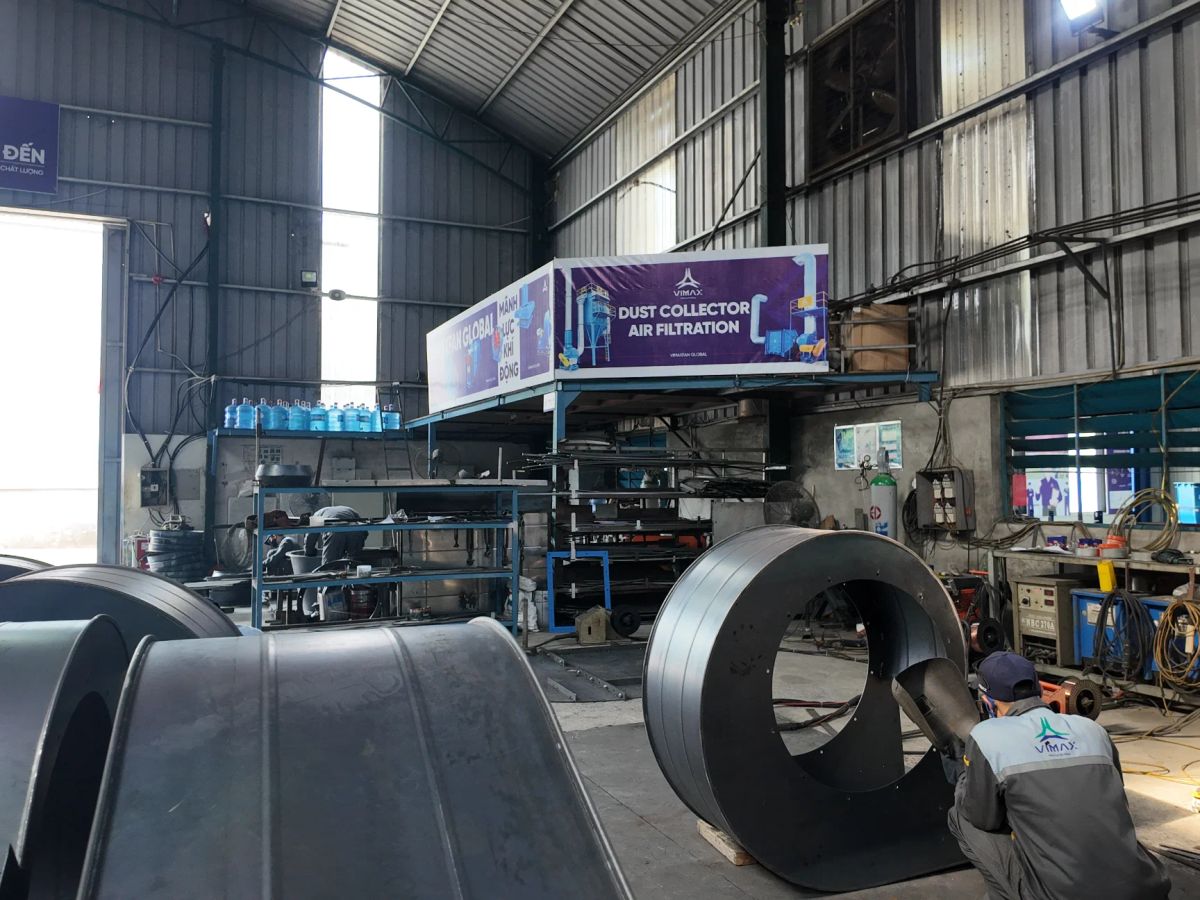
Essential Benefits of Implementing Dust Collection
Key Considerations for System Selection
Selecting the right dust collection system is a big step for any industrial operation. It’s not just about picking a machine; it’s about finding a solution that fits your specific needs and keeps your workplace safe and productive. We need to look at a few things before making a choice.
Assessing Your Specific Dust Profile
First off, what kind of dust are you dealing with? Is it fine wood dust, metal shavings, or something else entirely? The size, density, and stickiness of the particles really matter. Some systems are better for fine dust, while others handle heavier debris. Knowing your dust helps pick the right filter and collector type. For workshops with two to three power tools, a one-horsepower, 700 CFM dust collector is the ideal choice. Larger workshops with multiple stationary power tools will require a more robust system.
Evaluating System Capacity and Airflow
Next, think about how much air needs to be moved. This is measured in Cubic Feet per Minute (CFM). You need enough CFM to capture dust effectively from all your machines. Too little CFM means dust escapes into the air. Too much can be wasteful and might even pull valuable materials away. We need to match the system’s capacity to your tools and workspace size.
Determining Filtration Efficiency Requirements
How clean does the air need to be? This is where filtration efficiency comes in. Different applications have different standards. For some, capturing 99% of particles might be enough. For others, especially with hazardous materials, you might need 99.9% or even higher. The type of filter media used plays a big role here. We can help you figure out what level of filtration meets your operational and safety goals.
Choosing the correct system upfront saves a lot of trouble and money down the line. It’s about getting the performance you need without overspending.
Types of Dust Collection Technologies
When you’re looking at dust collection, there are a few main ways the equipment works to get that dust out of the air. Each type is good for different jobs and different kinds of dust. Picking the right one really matters for keeping your workplace safe and your machines running well. We build industrial-grade equipment, and we know how important it is to get this right for your specific needs. Let’s look at the common technologies.
Baghouse Filters for Particulate Capture
Baghouse filters, also known as fabric filters, are a workhorse in industrial dust collection. They use fabric bags, or sleeves, to catch dust particles from the air. Dirty air comes into the baghouse, and the dust sticks to the outside of the bags while the clean air passes through. The bags are cleaned periodically, usually by pulsing them with compressed air or by shaking them, which makes the dust fall into a collection hopper below. These systems are really effective for fine dusts and are a common choice for many manufacturing processes. They are a great option if you need high filtration efficiency. If you’re looking for reliable particulate capture, a baghouse is often the way to go.
Cyclonic Separators for Bulk Dust Removal
Cyclonic separators, or cyclones, work a bit differently. They use centrifugal force to separate dust from the air. Air and dust spin around inside a cone-shaped chamber. The heavier dust particles get thrown to the sides and fall down into a collection bin, while the cleaner air moves up and out. Cyclones are best for removing larger, heavier dust particles and are often used as a pre-cleaner before air goes into a baghouse or other filter. This helps to reduce the load on the finer filters. They don’t filter out the really fine dust, but they’re great for handling large volumes of material. We build robust cyclones ready for export.
Wet Scrubbers for Hazardous Dusts
Wet scrubbers, also called wet collectors, use a liquid, usually water, to remove dust from the air. The dirty air is passed through a spray of water or a pool of liquid. The dust particles get wet and stick to the water droplets, which then fall out of the air stream. This method is particularly useful for collecting dusts that are sticky, explosive, or hazardous, as the water can also help to cool the air and suppress dust explosions. They can also capture some gases. While effective, they do create a sludge or wastewater that needs to be managed. If you’re dealing with hazardous dusts, a wet scrubber might be your best bet. We can discuss your specific project needs to find the right solution.
Optimizing Performance and Maintenance
Keeping your dust collection system running smoothly is key to maintaining a safe and productive workplace. It’s not just about setting it up and forgetting it; regular attention makes a big difference. Think of it like maintaining any piece of industrial equipment – consistent care prevents bigger problems down the line.
Routine Inspection and Cleaning Protocols
Regular checks are your first line of defense. You should have a schedule for looking over the system. This means checking filters for wear and tear, making sure ductwork is clear of blockages, and inspecting the fan and motor for any unusual noises or vibrations. Cleaning out collected dust from bins and hoppers is also a must. A clean system is an efficient system. Following a set protocol helps catch small issues before they become major breakdowns.
Monitoring System Performance Metrics
How do you know if your system is working as well as it should be? You need to track certain numbers. This could include airflow rates, pressure drops across filters, and motor amperage. These metrics give you a snapshot of the system’s health. If the pressure drop across a filter starts climbing too high, it’s a sign the filter might be clogged or damaged and needs attention. Keeping an eye on these numbers helps you make informed decisions about maintenance.
Proactive Maintenance Strategies
Instead of waiting for something to break, a proactive approach saves time and money. This involves planning maintenance activities based on expected wear, not just when a problem arises. For example, knowing the typical lifespan of your filters allows you to schedule replacements before they fail. It also means addressing minor issues, like a small leak in ductwork, right away. This kind of forward-thinking maintenance is what separates a well-run operation from one that’s constantly reacting to emergencies. For businesses looking to export, this level of operational discipline is often a requirement. Partnering with a manufacturer like VIMAX GLOBAL can help establish these robust maintenance plans, ensuring your equipment meets international standards. If you’re considering a new system or need to optimize your current one, reach out to discuss your project needs.
Consistent maintenance isn’t just about keeping things clean; it’s about preserving the integrity and efficiency of your entire operation. It directly impacts worker safety and the quality of your end products. Investing time in upkeep pays dividends in the long run.
Partnering for Superior Air Quality Solutions
Selecting a Trusted Manufacturing Partner
When it comes to industrial air quality, choosing the right manufacturing partner is key. You need a company that understands the complexities of dust collection and can provide reliable, high-quality equipment. Look for manufacturers with a proven track record in industrial applications and a commitment to robust engineering. A good partner will work with you to understand your specific needs, offering tailored solutions rather than one-size-fits-all approaches. They should also be able to demonstrate their capacity for large-scale production and adherence to international standards, especially if your operations involve export.
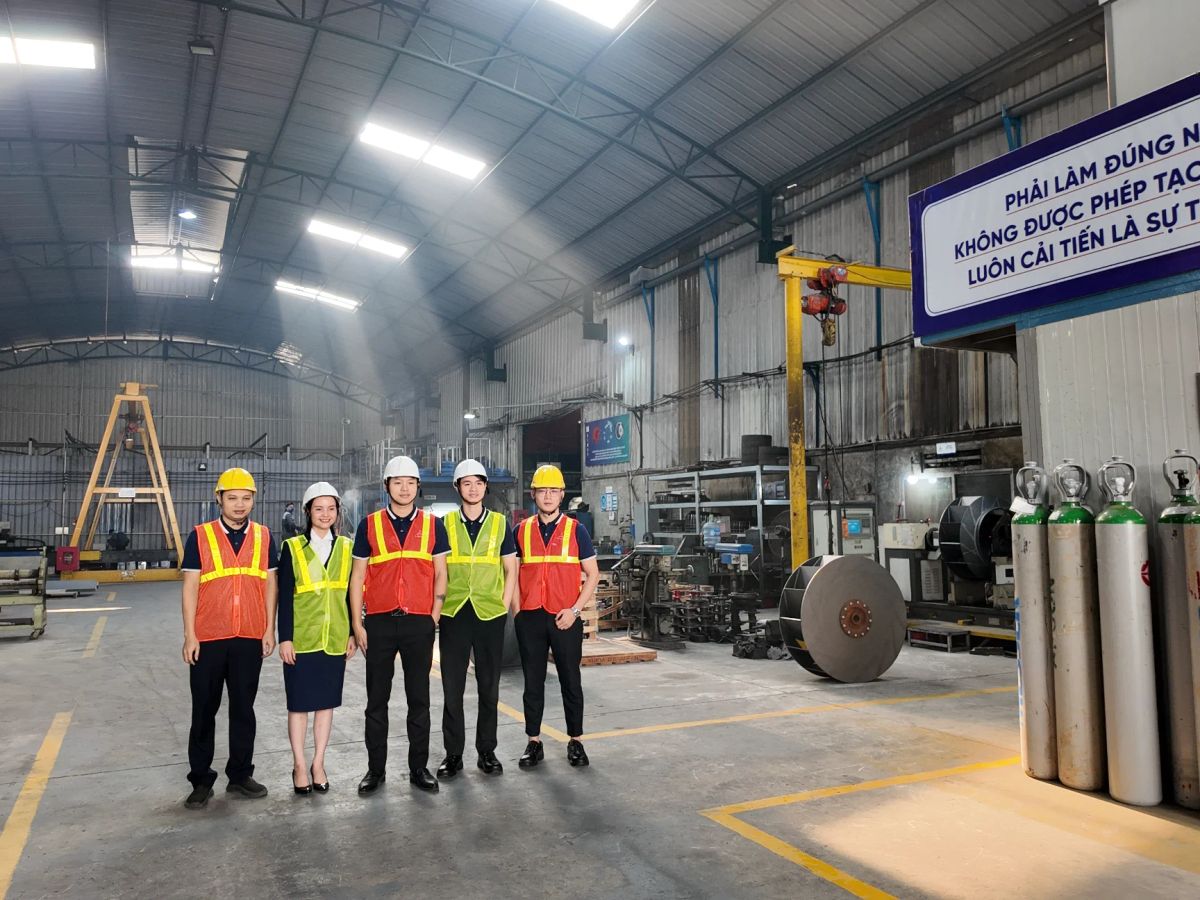
Selecting a Trusted Manufacturing Partner
The VIMAX GLOBAL Advantage in Air Systems
At VIMAX GLOBAL, we pride ourselves on being more than just a supplier; we are your dedicated partner in achieving superior air quality. Our focus on industrial-grade equipment means you get systems built for durability and performance in demanding environments. We specialize in creating solutions that meet stringent export requirements, making us an ideal choice for businesses with international operations. Our commitment to innovation and quality control ensures that every system we provide is designed for maximum efficiency and reliability. We help you build a cleaner workshop with our industrial air innovation.
Collaborating for Export-Ready Solutions
Successfully exporting manufactured goods often means meeting diverse international air quality and safety regulations. Partnering with VIMAX GLOBAL means you gain access to dust collection systems designed with global markets in mind. We understand the nuances of different regional standards and build our equipment to comply, simplifying your export process. Our collaborative approach involves working closely with your engineering and operations teams to develop systems that not only meet current needs but also anticipate future challenges. Let’s discuss your project requirements and explore how our export-ready solutions can benefit your business. We can help you understand how dust collection systems function in detail.
Choosing a partner who understands both your immediate dust control needs and your long-term global market strategy is a smart business decision. It ensures your operations are compliant, safe, and efficient, no matter where your products are headed.
Investing in Clean Air for Your Business
So, we’ve talked about what dust collection systems are and why they matter. It’s clear that managing dust isn’t just about keeping things tidy; it’s about worker safety, equipment longevity, and the overall quality of your operations. For businesses looking to improve their air quality and create a safer working environment, a good dust collection system is a smart move. When you’re ready to explore options that fit your specific industrial needs, consider partnering with a manufacturer known for quality and reliability. A well-chosen system can make a real difference, and finding the right supplier is key to getting the most out of your investment.
Read more: How Does a Cyclone Dust Collection System Work? A Comprehensive Guide
