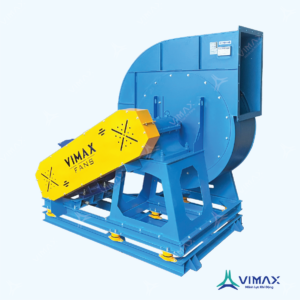
Efficiency and Power
in Every Spin

VIMAX centrifugal fans are designed for high-pressure industrial air movement, making them ideal for dust collection, fume extraction, and chemical gas treatment applications. Engineered for environments with heavy dust loads and challenging airflows, our centrifugal fans ensure reliable performance, energy efficiency, and durability even in the most demanding conditions.

Applications

Application Recommended VIMAX System
Wood Dust Collection Wood Workshop Dust Collection System
Plastic Dust Collection Plastic Dust Collection System
Metal Dust Removal Aluminum Dust Collection System, Welding Fume Extraction System
Cement Dust Collection Cement Dust Collection System
Stone Powder Dust Collection Stone Powder Dust Collection System
CNC Oil Mist Extraction CNC Oil Mist Extraction System
Mobile Dust Collection Mobile Dust Collector
Acid & Chemical Fume Treatment Acid Fume Exhaust Treatment System, Scrubber Tower Air Filtration System
VOC & Odor Removal Carbon AC Tower Air Filtration System
Semiconductor Cleanroom Dust Control Electrostatic Dust Collection System

Overview of Industrial Centrifugal Fans

Industrial centrifugal fans play an essential role in ensuring stable airflow, pressure control, and ventilation across factories, production lines, and heavy-duty environments. Many businesses choose stainless steel centrifugal fan models because of their durability and strong performance. As industrial blower fans continue to evolve in efficiency and design, they are widely used for dust extraction, exhaust management, and clean-air applications.

Construction & Parts of a Centrifugal Fan

Understanding centrifugal fan construction helps operators evaluate performance and maintenance needs. The main parts of centrifugal fan systems include the housing, impeller, inlet, bearings, and drive assembly. For demanding environments, high temperature centrifugal fan models are built with reinforced shafts, heat-resistant materials, and specialized coatings to maintain safe operation under extreme thermal conditions.

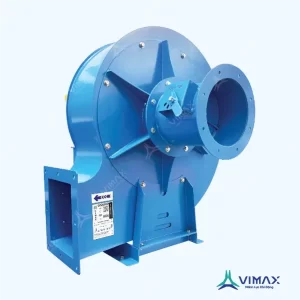
Centrifugal Fans Constructions Vimax

Centrifugal Fan Constructions

Types of Industrial Centrifugal Fans

Industries require various models such as centrifugal extractor fan industrial systems used for dust extraction and fume control. Large facilities often deploy industrial centrifugal extractor fan units for strong pressure output and stable ventilation. Depending on system requirements, manufacturers supply multiple pressure categories including Low Pressure, Medium Pressure, and High Pressure centrifugal fans to ensure the right balance between airflow and static pressure. For dust-heavy environments, specialized Dust Collector fan models are used to capture particles and maintain clean air quality.

For compact applications, small industrial blower fan models are preferred, while heavy-duty operations rely on industrial centrifugal air blower units designed for high airflow, exhaust handling, and process ventilation. Heating systems such as boilers and kilns often work with induced draft fan manufacturers that supply fans capable of managing hot flue gases safely under negative pressure.

Installation & Technical Specifications

Correct centrifugal fan installation is critical for achieving optimal performance. Engineers must ensure proper alignment, secure foundations, and balanced ducting. Following industrial fan specification standards ensures compatibility with system requirements related to airflow, pressure, motor capacity, and efficiency. When installed properly, industrial centrifugal blower systems deliver stable, long-lasting performance.

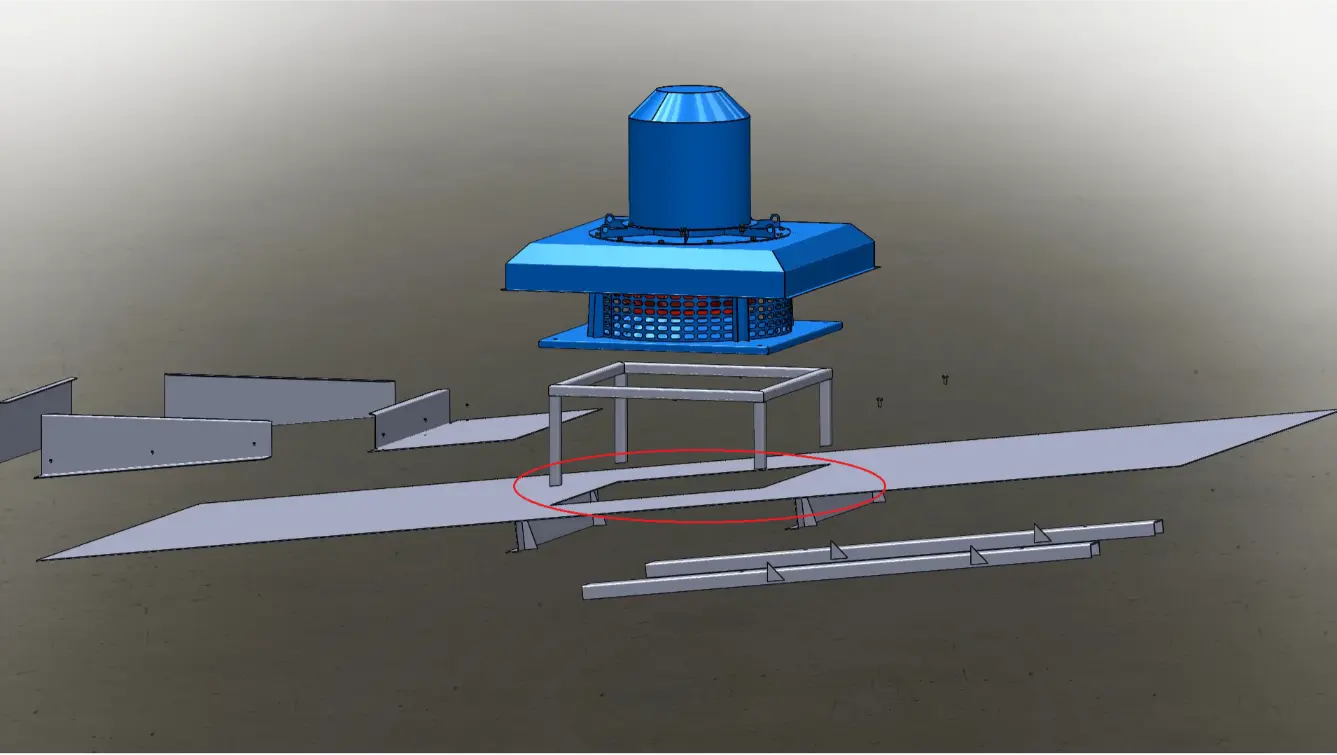
Centrifugal Fan Installation - Vimax - Step 1

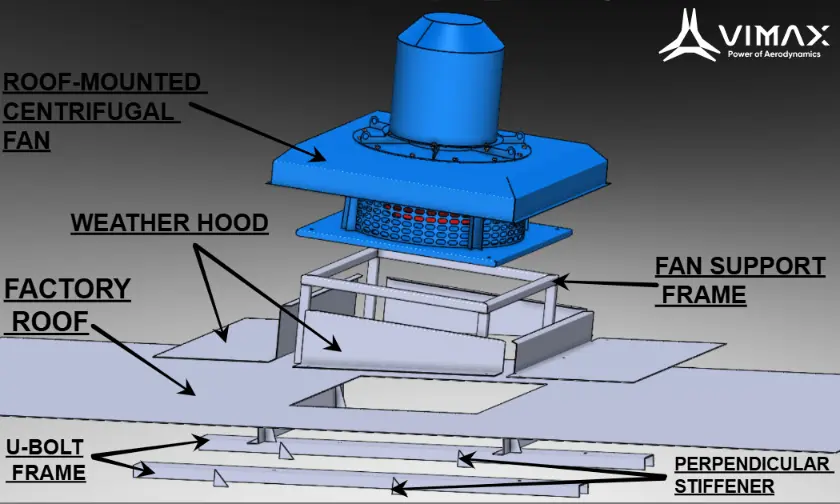
Step 1: Based on the size of the selected fan type, cut a hole in the workshop roof

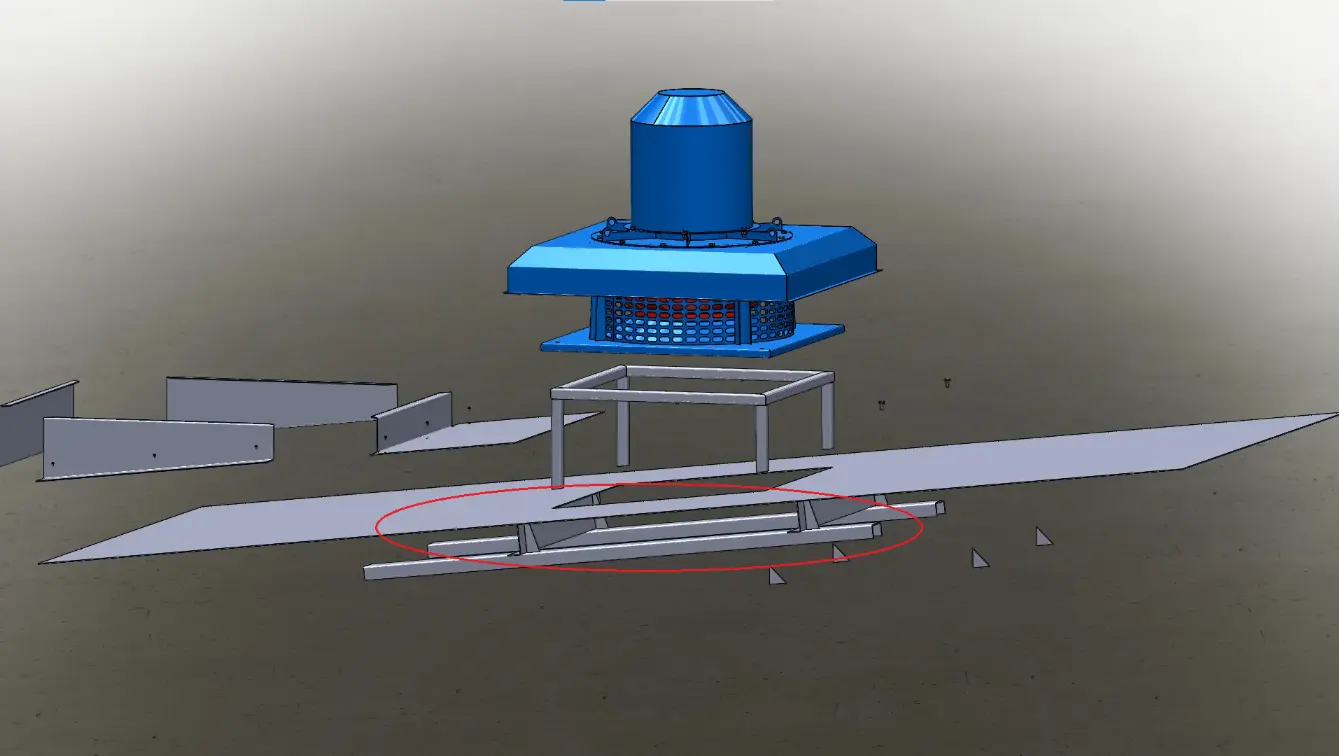
Centrifugal Fan Installation - Vimax - Step 2

Step 2: Install the auxiliary purlin into position, and securely weld the auxiliary purlin to the workshop purlin

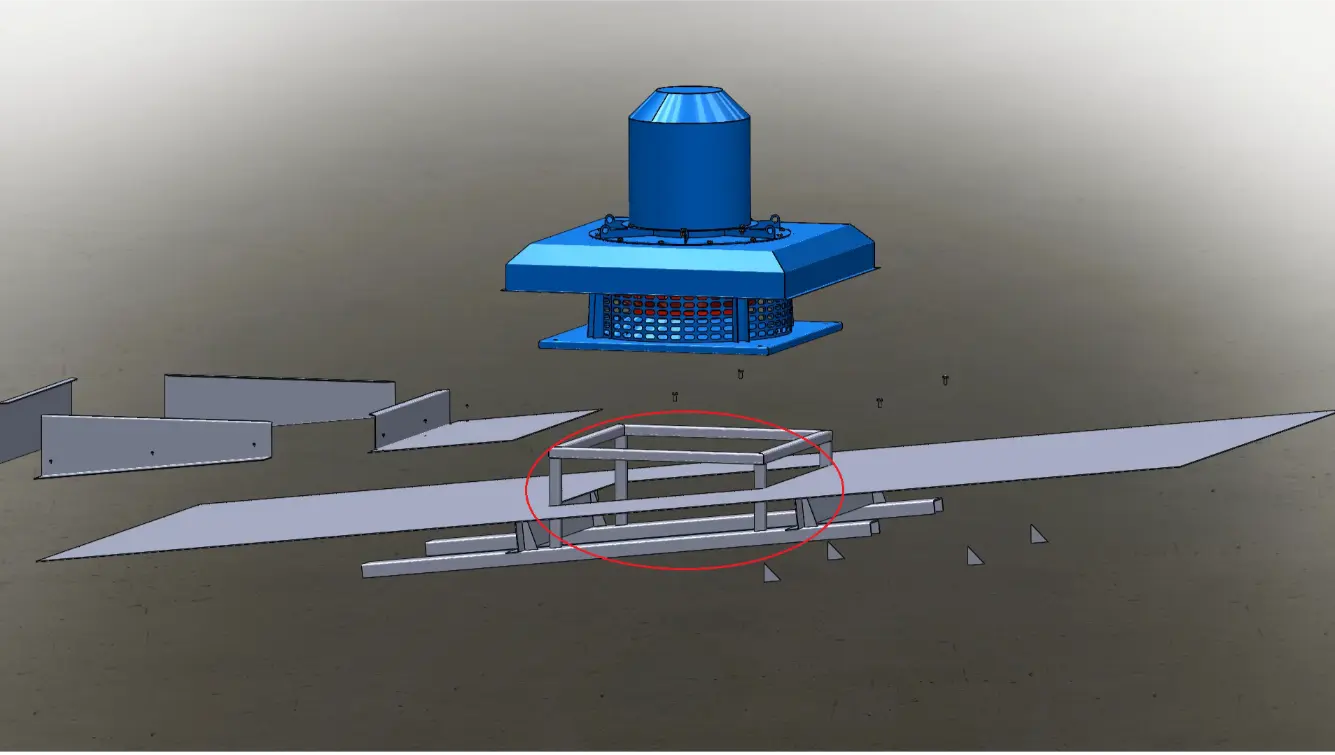
Centrifugal Fan Installation - Vimax - Step 3

Step 3: Install the fan support frame into position, and securely weld the support frame

Centrifugal Fan Installation - Vimax - Step 4

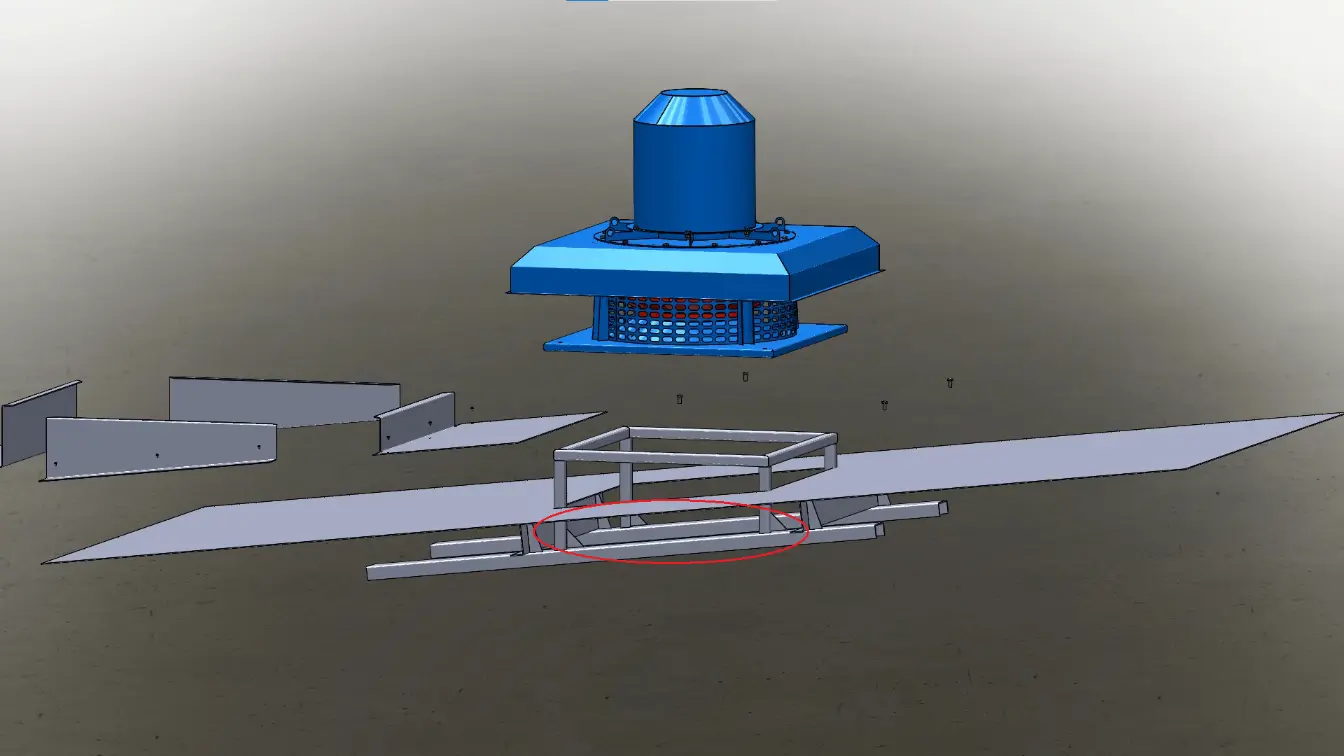
Step 4: Weld additional stiffeners onto the fan support frame, and securely weld the stiffeners to the auxiliary purlin

Centrifugal Fan Installation - Vimax - Step 5

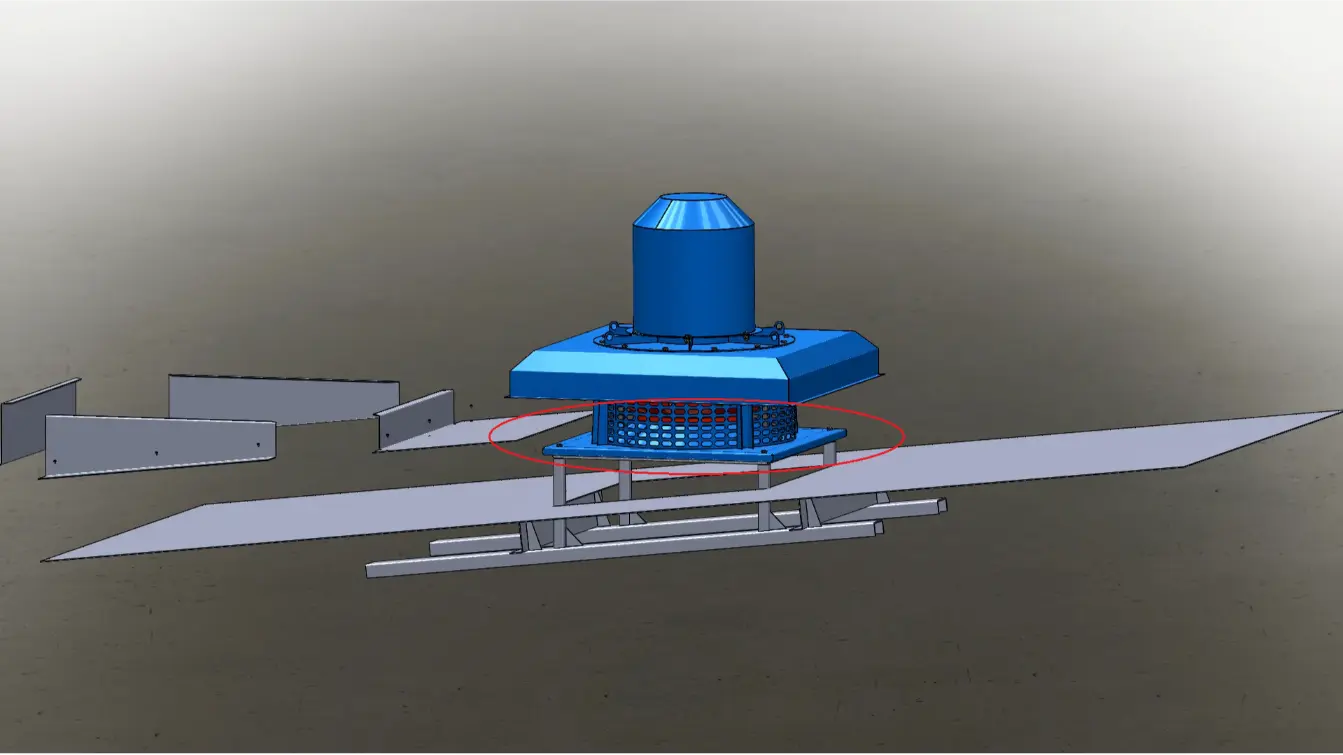
Step 5: Place the roof-mounted centrifugal fan into position

Centrifugal Fan Installation - Vimax - Step 6

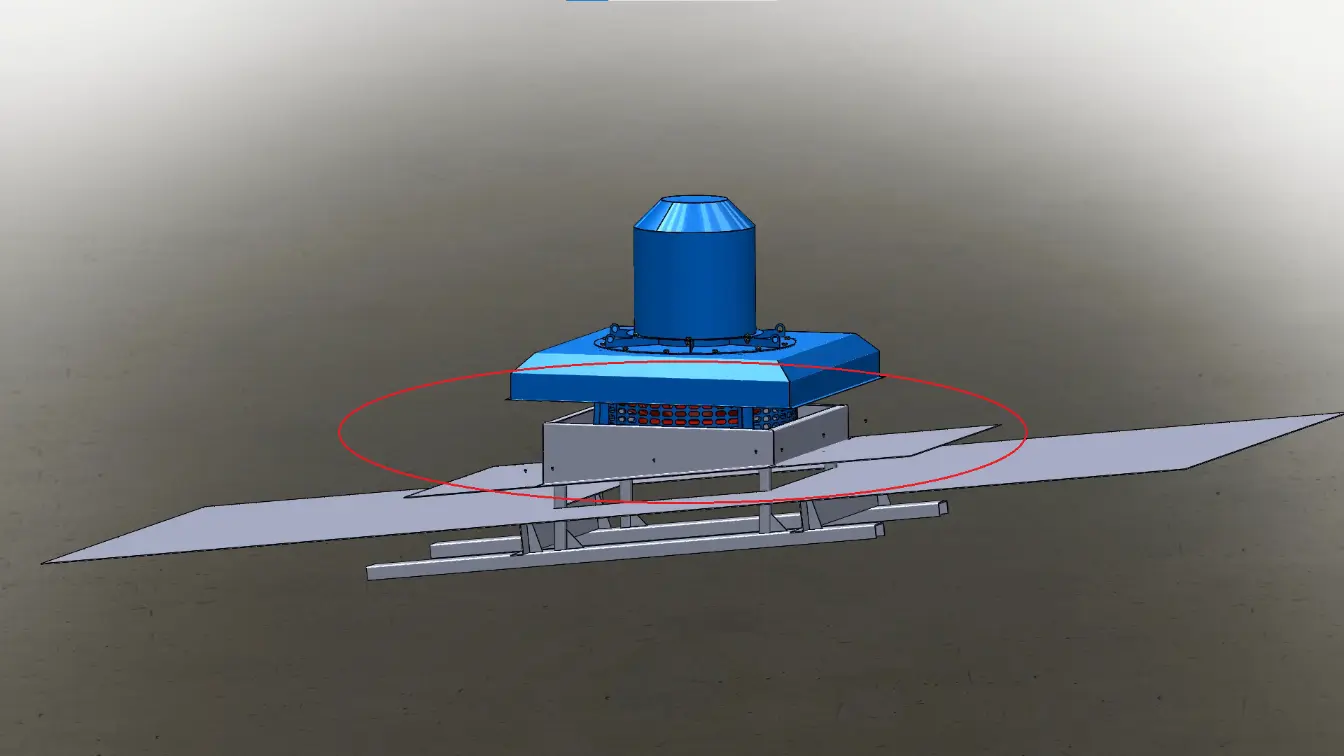
Step 6: Install the rain protection unit for the fan

Centrifugal Fan Installation - Vimax - Step 7

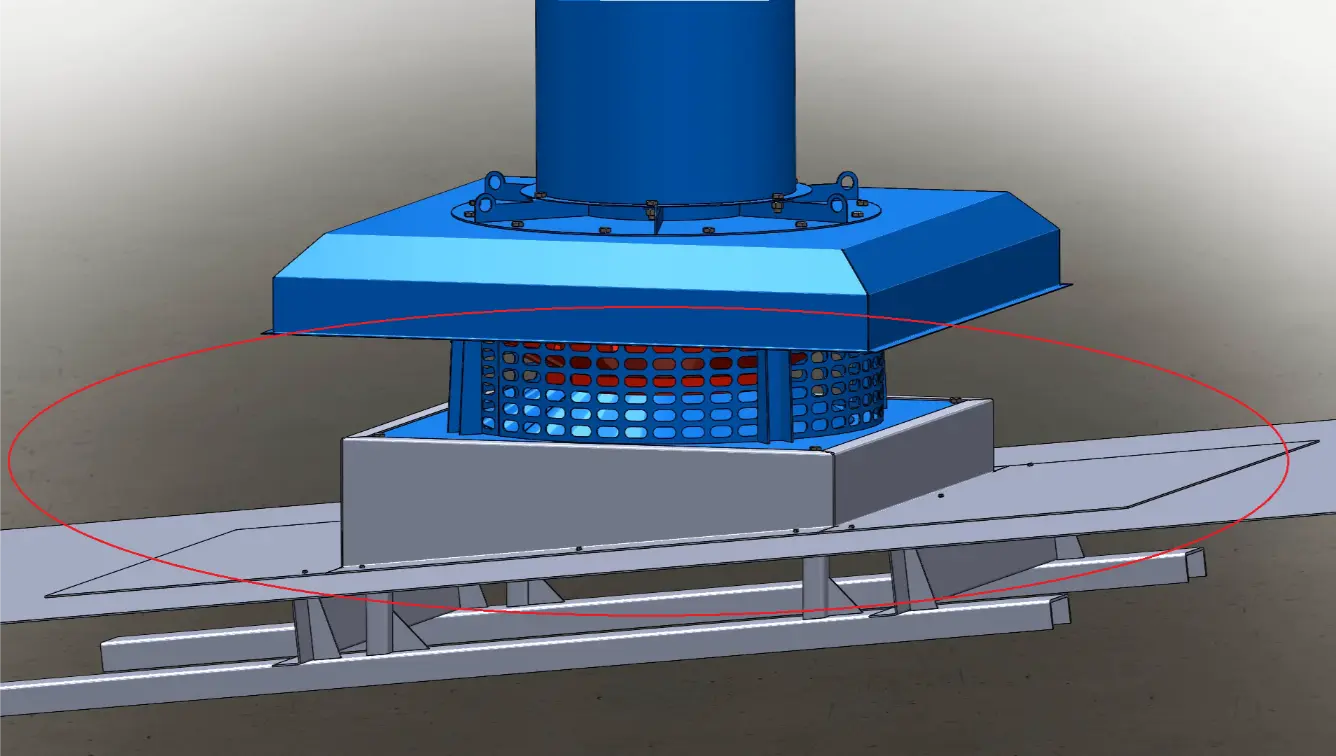
Step 7: Apply waterproof sealant to the joints between the rain covers and the fan, and the workshop roof, ensuring no water leakage

Refer to the simulated installation process of the rooftop-mounted centrifugal fan provided by Vimax.

Centrifugal Fan Theory & Fan Laws

Centrifugal fan theory explains how rotational energy from the impeller generates airflow and static pressure. The centrifugal fan laws (fan affinity laws) describe predictable relationships between speed, pressure, and power. Engineers rely on these laws to size, select, and optimize industrial centrifugal fans for maximum efficiency.

Showing 13–13 of 13 results


Have a specific question we didn’t answer?

Yes, an exhaust fan helps reduce heat by removing hot air and improving airflow in a room or industrial space.

Yes, a fan can help get rid of smoke by moving it out of a space. Smoke exhaust fans or smoke extractor fans are specifically designed to remove smoke efficiently from industrial, commercial, or emergency environments.


An exhaust fan should be located near the source of heat, smoke, or odors—typically high on walls, ceilings, or rooftops—to efficiently remove hot air, smoke, and contaminants from the space

Exhaust fans lead air, smoke, or fumes out of a space to the outdoors or into a designated duct system, ensuring proper ventilation and removal of heat, smoke, or contaminants from the building.

Yes. Our fans follow ISO 9001, ISO 45001, and AMCA standards. We also consider OSHA and NFPA guidelines.

Yes. Our fans are compatible with variable speed drives (VSD) and building management systems (BMS).