


Protecting People and Performance in Aluminum Production
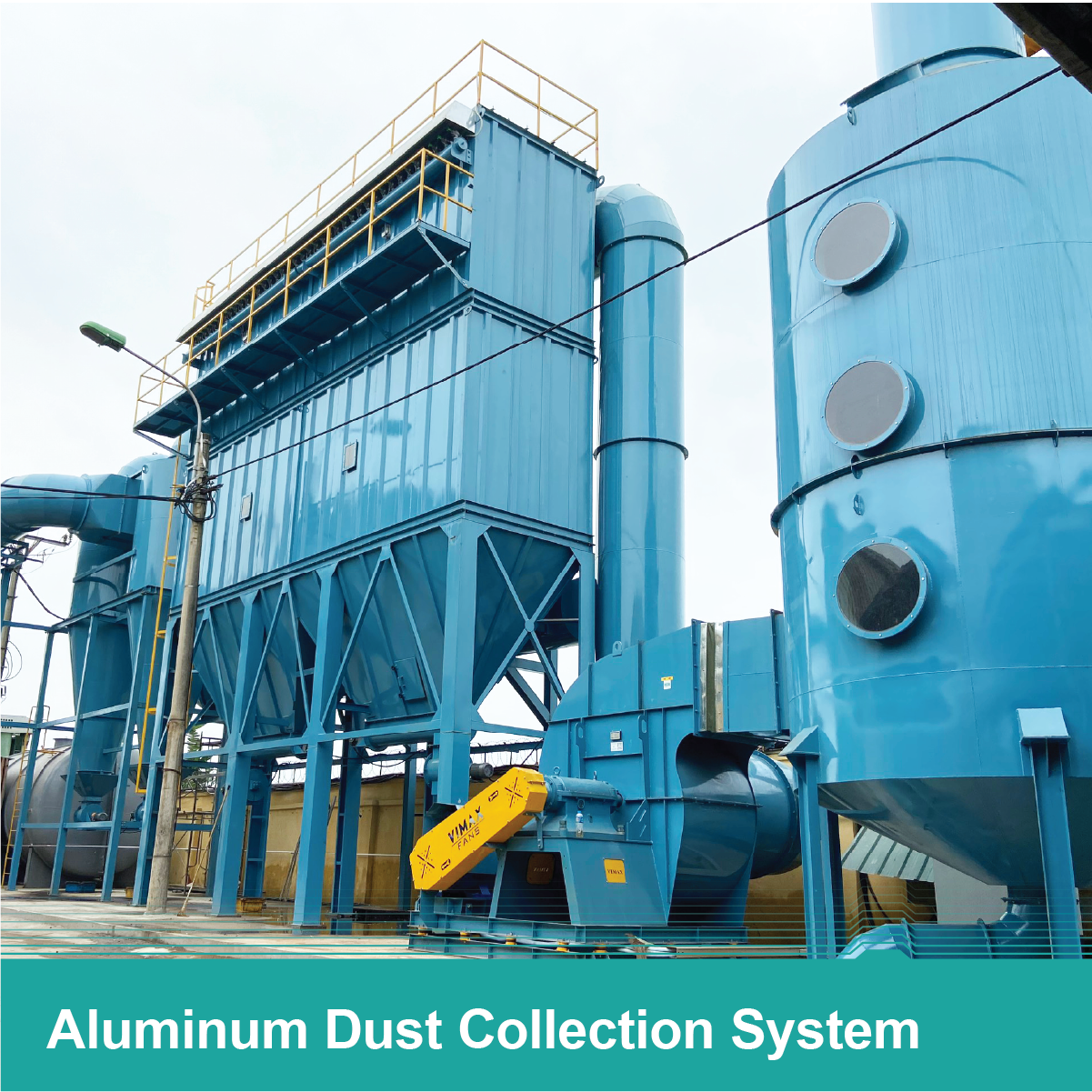
At VIMAX, we engineer aluminum dust collection systems to handle the specific hazards of fine metal dust generated during aluminum cutting, grinding, welding, and machining. Aluminum dust is not only harmful to workers’ respiratory health but also highly combustible, posing serious fire and explosion risks. Our solution captures aluminum dust efficiently at the source — helping manufacturers maintain clean air, safe conditions, and regulatory compliance.
Applications
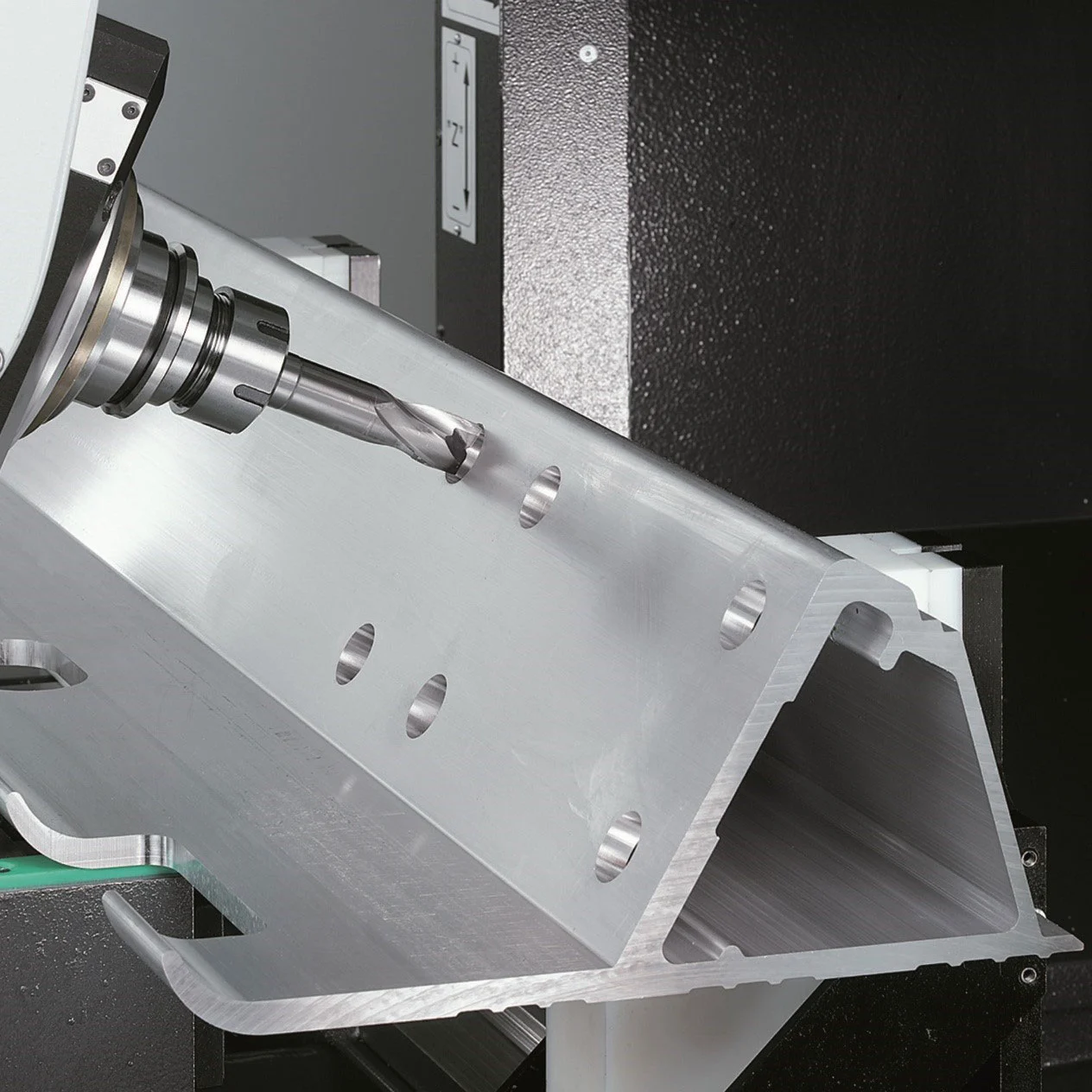
Aluminum Machining Industry
Removes aluminum dust from cutting, grinding, and fabrication processes in manufacturing plants.

Electronics & Automotive Housing Production
Maintains clean air quality in facilities producing aluminum housings for electronic devices and vehicles, protecting product finish and integrity.
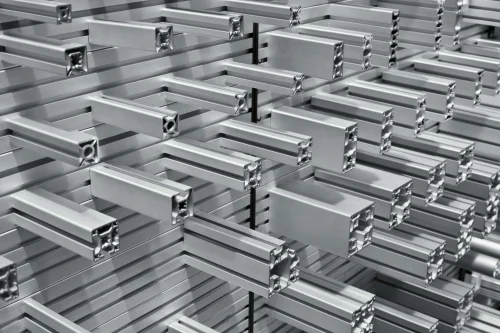
Aluminum Doors & Construction Materials
Used in factories manufacturing aluminum windows, doors, and building components to eliminate dust during processing and finishing.
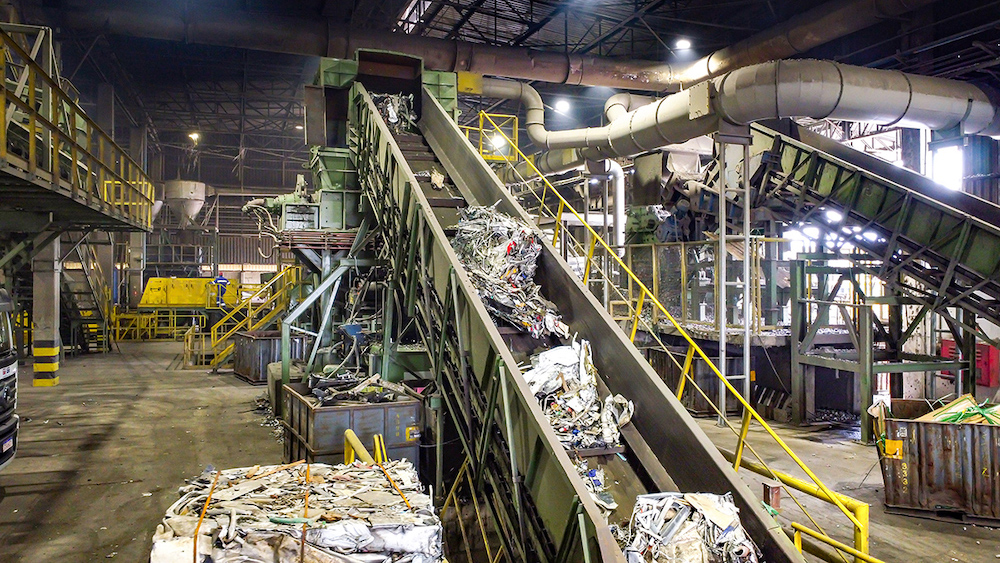
Aluminum Recycling Facilities
Filters airborne particles and contaminants during the recycling of aluminum materials into reusable forms.
Our Unique Edge

Innovative Craftsmanship
Every system is designed with the latest technology for peak performance.

Eco-Conscious Approach
We prfioritize sustainable designs that reduce your carbon footprint.

Global Standards
Compliant with international certifications for safety and efficiency.
Why Our Aluminum Dust Collector System Stands Out.

Worker Health Protection
Removes harmful airborne aluminum dust to prevent respiratory illnesses and ensure a healthier workplace.

Fire & Explosion Risk Reduction
Aluminum dust is highly flammable — our system minimizes buildup and significantly reduces ignition risks.

Equipment Protection
Prevents dust accumulation inside sensitive machinery, improving operational efficiency and extending equipment life.

Enhanced Product Quality
Keeps the production environment clean to ensure surface integrity and final product quality.

Compliance with Safety & Environmental Regulations
Supports adherence to workplace safety and environmental standards, helping avoid fines and maintain a responsible brand image.
Let’s Innovate Together
Your next step toward an optimized, efficient future begins here. VIMAX’s Cooling Ventilation System combines performance, sustainability, and reliability to give you an unmatched edge in your industry.
Request Your Quote TodayProducts
Products for
Any Application.
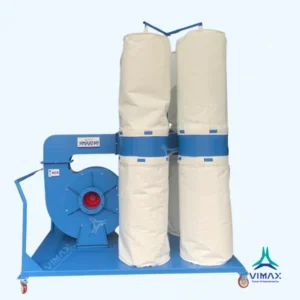
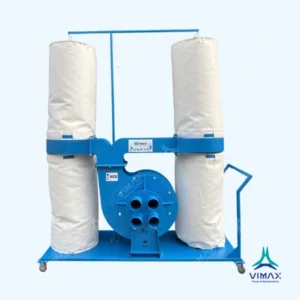
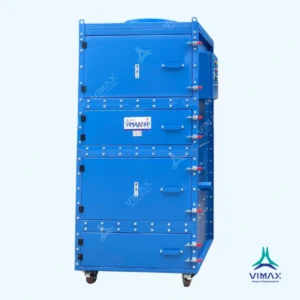
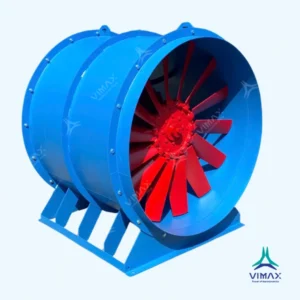
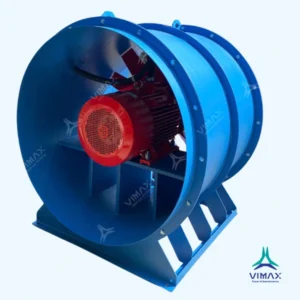
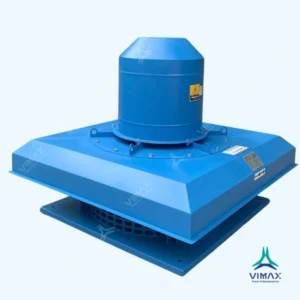
Your facility demands reliable and innovative systems to keep operations running smoothly. VIMAX offers an extensive range of systems and products tailored to meet any industrial need. Whether you require precision cooling for data centers, effective dust collection for manufacturing plants, or dependable fire protection for critical infrastructure, VIMAX has the expertise to deliver.
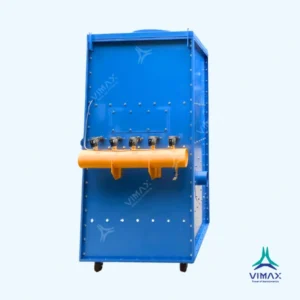
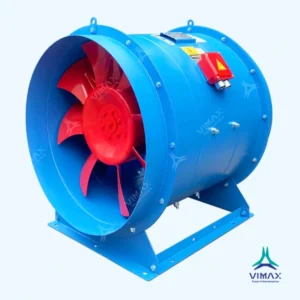
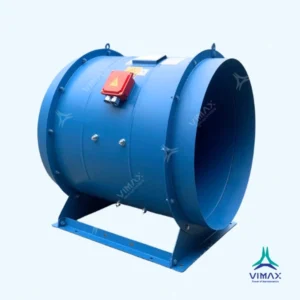
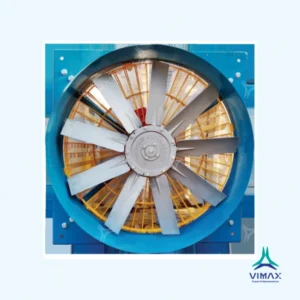
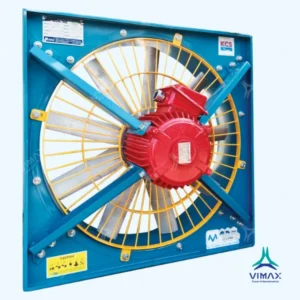
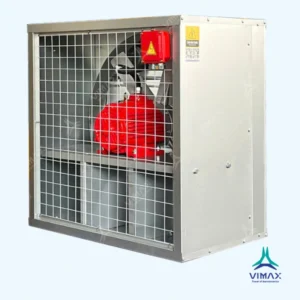
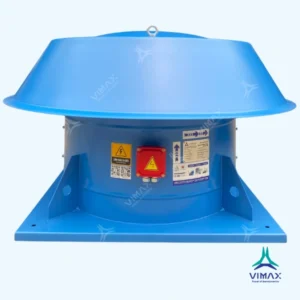
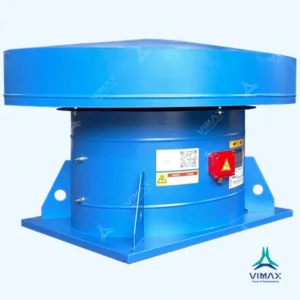
New Insights & Updates.
Stay ahead of industry trends and see how VIMAX is shaping the future of industrial systems. Check out our latest case studies, innovations, and partner success stories:



FAQs About Aluminum Dust Extraction System
Is aluminum dust combustible ?
Yes, aluminum powder is highly flammable and combustible, posing a significant risk of fire or explosion when suspended in air.
Key safety considerations:
- Fire Hazard: Aluminum powder is classified as a flammable solid. It can burn violently, especially when fine particles are airborne.
- Explosion Risk: Airborne aluminum dust can form explosive mixtures.
- Water Reactivity: Moist aluminum powder can ignite spontaneously in air.
It is essential to prevent the accumulation of dust in workplaces and keep it away from heat, sparks, and open flames.
Why can't I use a standard dust collector for aluminum?
Standard collectors lack explosion protection. Aluminum dust is highly combustible; a single spark from static electricity or a foreign object can trigger a devastating dust explosion.
Should I use a Wet Scrubber or a Dry Collector for Aluminum Dust?
Both systems are viable under NFPA 484 standards, but they have distinct requirements:
Wet Collectors (Scrubbers): Often preferred for aluminum because they “drown” the dust in a water tank, removing the contact with oxygen and cooling the particles to neutralize the explosion risk.
Pro: Inherently safer for indoor installation
Con: Requires careful venting to prevent hydrogen gas buildup and regular sludge removal.
Dry Collectors: Generally must be located outside the building to vent potential explosions away from personnel.
Pro: More efficient at capturing ultra-fine particles and easier to maintain.
Con: Requires extensive safety hardware like explosion vents, isolation valves, and grounded filter media.
