


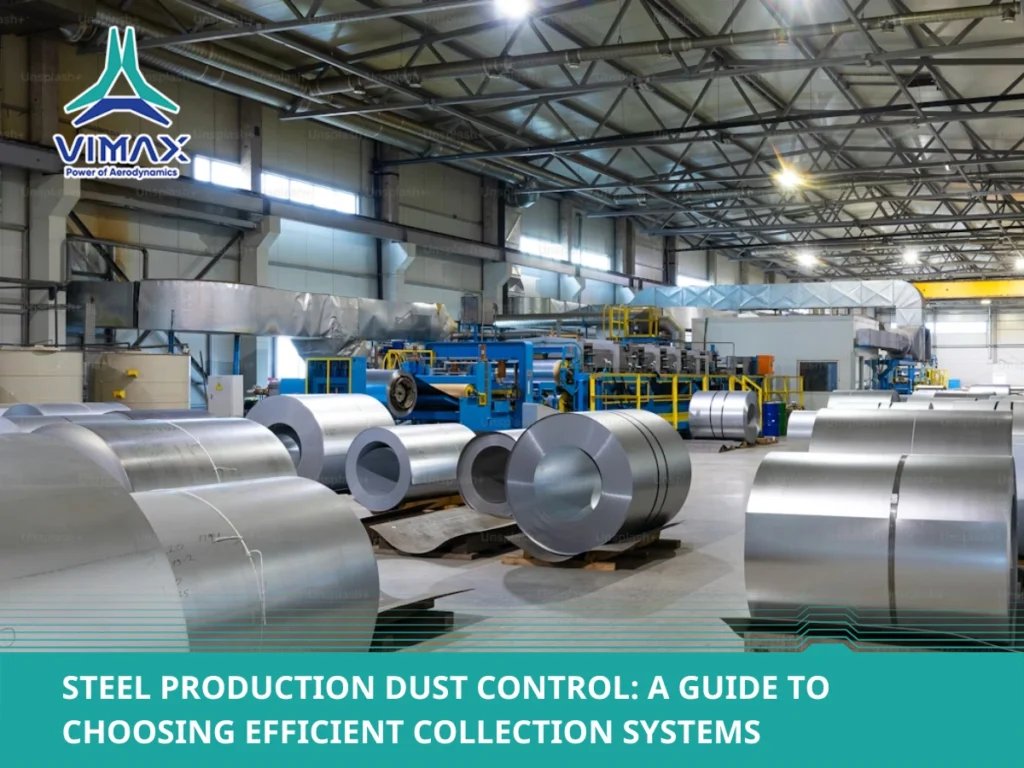
The steel fabrication industry is a cornerstone of modern infrastructure, but it comes with significant environmental and safety challenges. One of the most pervasive issues is the generation of airborne particulate matter during processes like welding, cutting, and grinding.
Implementing an effective dust collector for steel fabrication facility is not just a regulatory requirement; it is a critical investment in the health of your workforce and the longevity of your equipment. This comprehensive guide explores the essential aspects of steel plant dust control solutions, helping you navigate the complexities of choosing the right system for your operations.
The Critical Need for Dust Control in Steel Fabrication
The environment within a steel fabrication facility is inherently demanding. The processes involved generate substantial amounts of particulate matter, which pose multifaceted risks if not properly managed. Understanding these risks is the first step toward implementing effective mitigation strategies.
Health Hazards: Is Steel Dust Harmful?
A common question among facility managers is, is steel dust harmful or is steel dust toxic? The unequivocal answer is yes. Inhaling fine steel particles, especially those generated during welding (welding fumes) or grinding, can lead to severe respiratory issues.
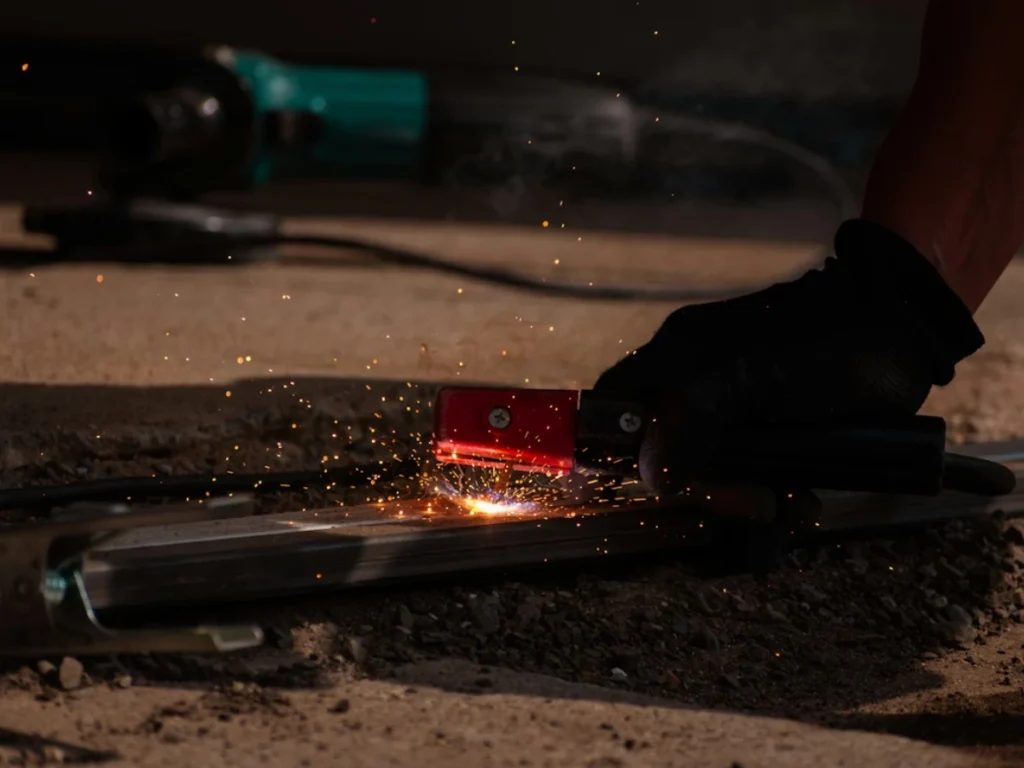
These particles often contain heavy metals such as chromium, nickel, and manganese, which are known health hazards. Prolonged exposure without adequate protection and ventilation can result in chronic conditions like siderosis (welder’s lung) and other serious respiratory diseases. Therefore, a robust steel dust collector is essential to maintain a safe breathing environment for workers.
Safety Risks: The Threat of Combustible Dust
Beyond health concerns, steel dust presents a significant safety hazard. Facility operators frequently ask, is steel dust combustible or is stainless steel dust combustible? While solid steel is not flammable, fine metal dust suspended in the air can be highly explosive under certain conditions.
When a specific concentration of combustible metal dust mixes with oxygen and encounters an ignition source – such as a spark from a grinder or a welding arc – it can trigger a catastrophic explosion. Regulatory bodies like OSHA and the NFPA (National Fire Protection Association) have strict guidelines (e.g., NFPA 484) regarding the handling of combustible metal dusts to prevent such disasters.
Operational Efficiency and Compliance
Effective dust control is also a matter of operational efficiency. Airborne dust can settle on sensitive machinery, causing premature wear, increasing maintenance costs, and leading to unexpected downtime. Furthermore, adhering to environmental and occupational safety regulations is mandatory. Failure to implement adequate steel plant dust control solutions can result in hefty fines and legal liabilities.
Understanding Steel Dust Characteristics
To select the most appropriate dust collection system, it is crucial to understand the nature of the dust generated in your facility. Different processes produce particles of varying sizes, shapes, and chemical compositions.
Welding fumes, for instance, consist of extremely fine particles that require high-efficiency filtration. Grinding and cutting operations produce larger, heavier particles. Stainless steel fabrication presents unique challenges; the dust generated often contains higher levels of hazardous alloys and can be particularly abrasive. Therefore, systems designed for standard carbon steel might not be fully adequate for stainless steel applications without specific modifications.
Types of Dust Collection Systems for Steel Fabrication Facilities
Choosing the right technology is paramount for effective dust management. Several types of systems are commonly employed in the steel industry, each with its specific strengths and applications.
Cartridge Dust Collectors: The Industry Standard for Fine Fumes
In modern steel fabrication, cartridge dust collectors are the most widely used solution for capturing fine particulate matter, such as welding fumes and laser cutting dust. These systems utilize pleated filter media to provide a large filtration surface area in a compact footprint.
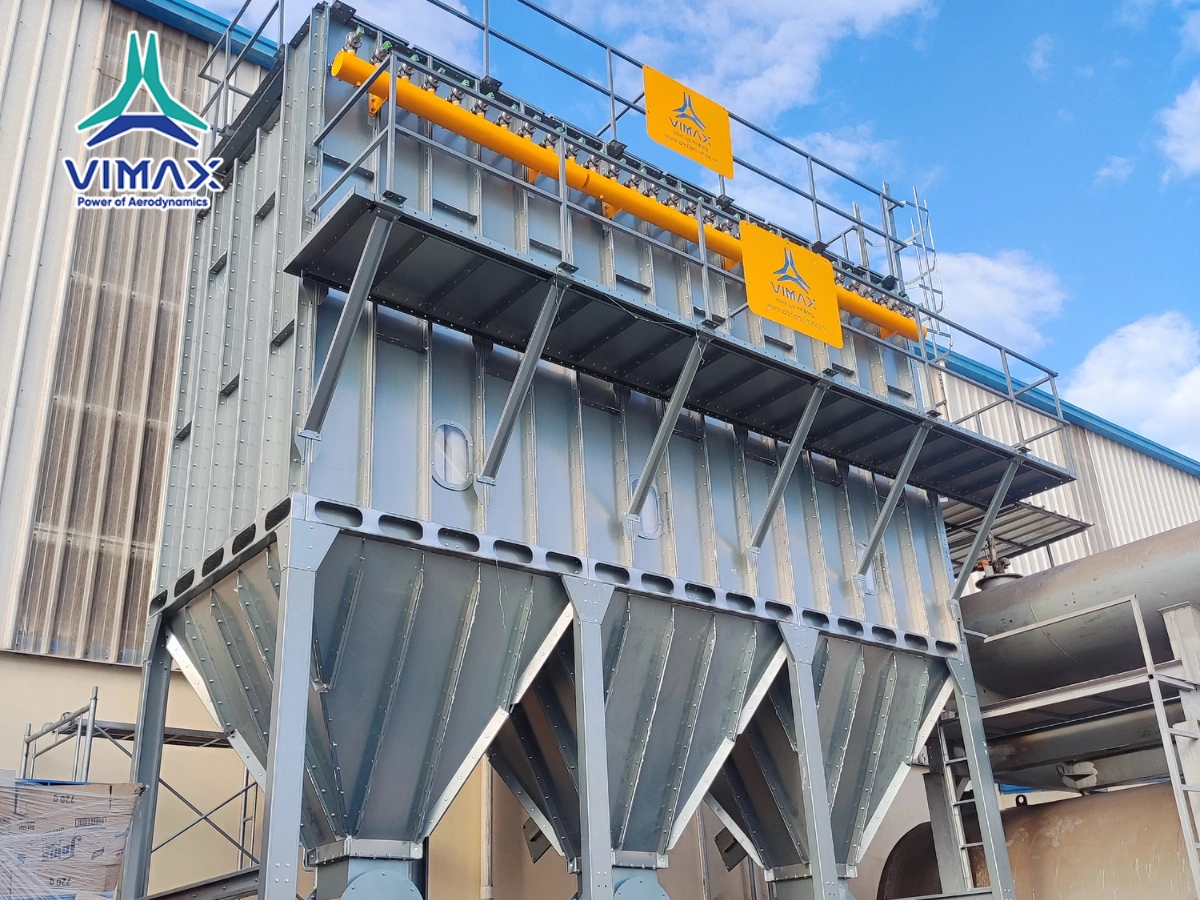
Cartridge collectors are highly effective for sub-micron particles, offering filtration efficiencies often exceeding 99.9%. However, they require careful selection of filter media (e.g., flame-retardant or anti-static) and integrated explosion protection systems (like fire sprinklers or explosion vents) when handling potentially combustible steel dust.
Wet Dust Collectors: Essential for Combustible and Explosive Dust
A stainless steel wet dust collector (or wet scrubber) is the definitive choice when safety is the top priority for combustible metal dusts. Unlike dry systems, wet collectors draw dust-laden air through a high-energy water curtain or spray. This process encapsulates the particles in water, neutralizing the risk of ignition or explosion.
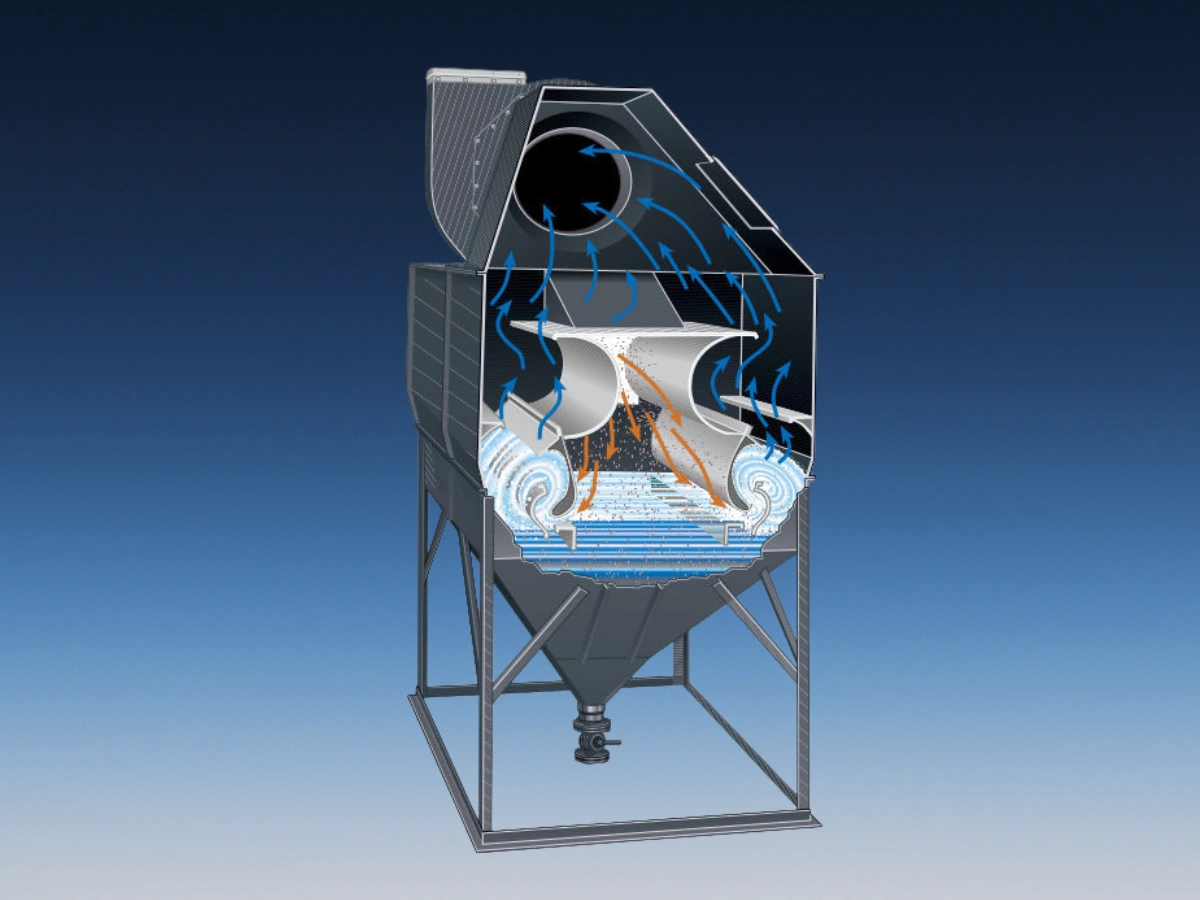
These systems are particularly effective for “sticky” dusts or processes that generate sparks, such as heavy-duty grinding or polishing of stainless steel. While they eliminate the need for expensive explosion venting, they do require a water management system to handle the resulting sludge and must be constructed from high-grade stainless steel to prevent corrosion.
Cyclone Dust Collectors: High-Load Pre-Separators
A stainless steel cyclone dust collector is an essential component for facilities dealing with high dust loads or large, abrasive debris. By using centrifugal force to spin particles out of the air stream, cyclones can remove up to 90% of heavy material before the air reaches the secondary high-efficiency filters.
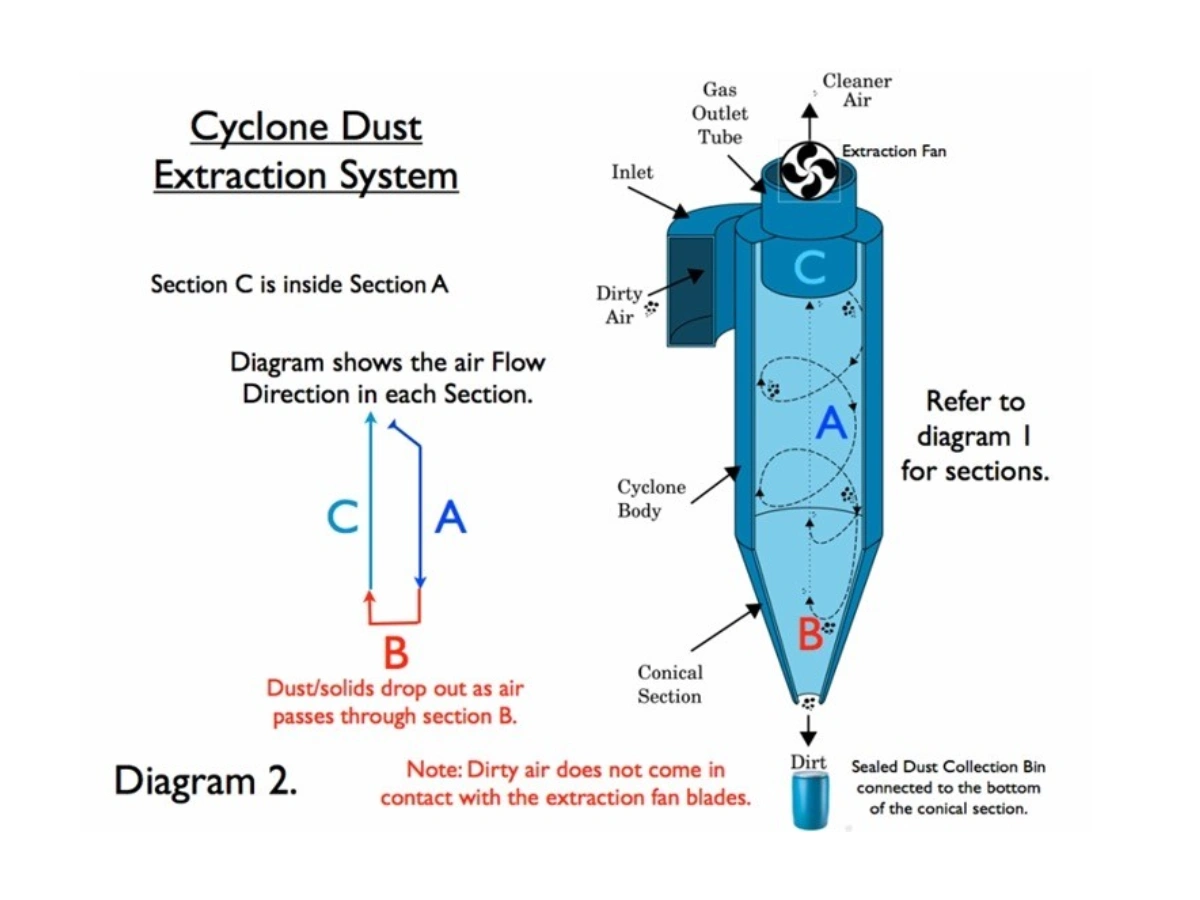
Cyclones are virtually maintenance-free due to their lack of moving parts and filter media. In a multi-stage steel plant dust control solution, the cyclone acts as a “sacrificial” first stage, protecting more expensive cartridge filters from premature wear and clogging.
Read more: How Does a Cyclone Dust Collection System Work? A Comprehensive Guide
Source Capture Systems: Extraction at the Point of Origin
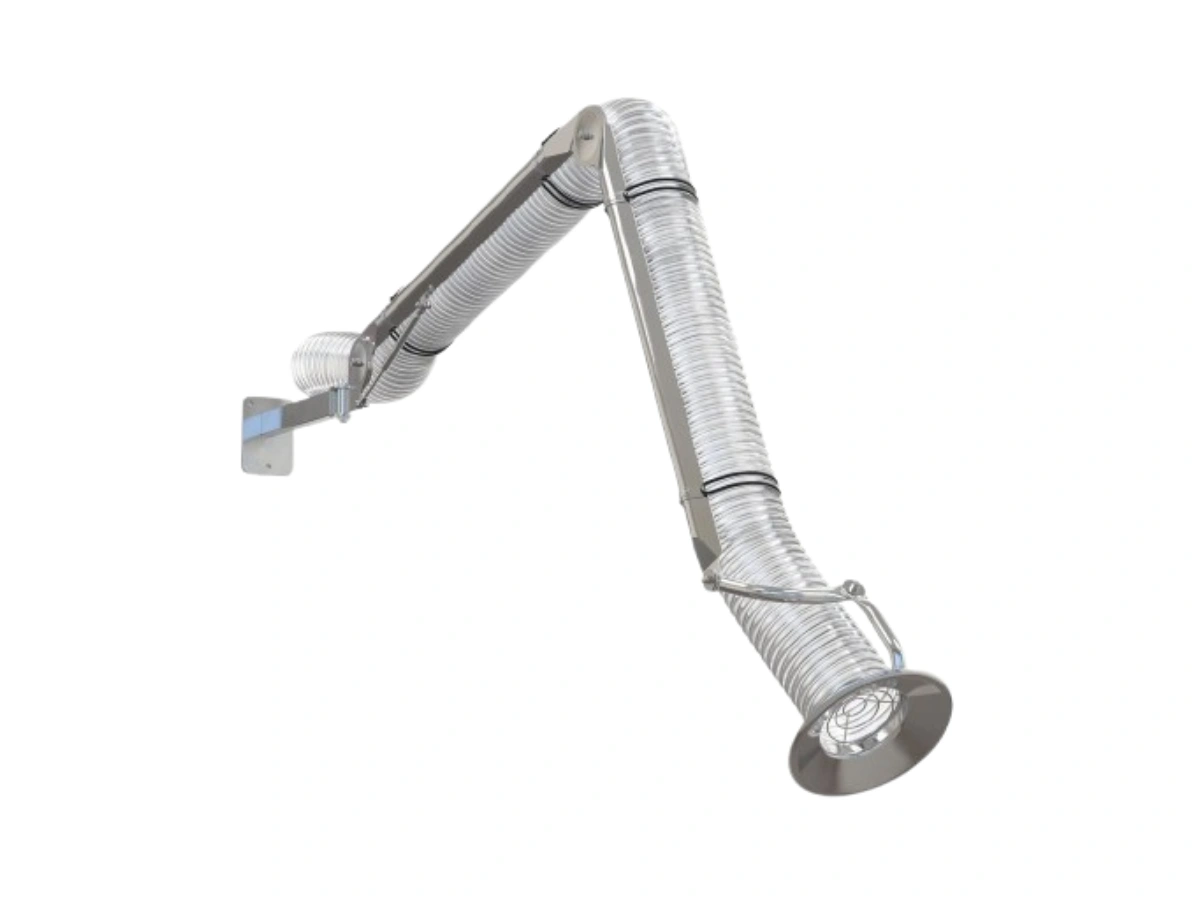
This is achieved through extraction arms, slotted hoods, or integrated tool shrouds. By capturing contaminants at the source, facilities can use smaller, more energy-efficient dust collectors and ensure that hazardous fumes never reach the worker’s breathing zone.
| System Type | Primary Application | Key Advantage | Best For |
| Cartridge Collector | Welding fumes, laser/plasma cutting | High efficiency, compact size | Fine particulate matter |
| Wet Dust Collector | Grinding, polishing, explosive dust | Maximum fire/explosion safety | Combustible metal dusts |
| Cyclone Collector | Heavy grinding, bulk material handling | Pre-filtration, no filter media | Large, abrasive particles |
| Source Capture | Manual welding, localized grinding | Protects worker breathing zone | Direct point-of-origin extraction |
Designing and Maintaining Effective Dust Collection Ductwork
The efficiency of a dust collector is heavily dependent on the design and condition of the steel dust collection ductwork. The ductwork is the circulatory system of your dust control setup, responsible for transporting the particulate matter from the source to the collector.
Proper design ensures that the air velocity within the ducts is sufficient to keep the dust suspended and prevent it from settling and causing blockages. The layout should minimize sharp bends and long horizontal runs where dust can accumulate. For environments handling abrasive materials, constructing the ductwork from durable materials like stainless steel is recommended to prevent premature wear.
Maintenance is equally critical. Facility managers must know how to remove dust from stainless steel ductwork safely and effectively. Regular inspections should be conducted to identify and clear any accumulations, check for leaks, and ensure that blast gates and dampers are functioning correctly. Accumulations in ductwork not only reduce system efficiency but also pose a severe fire hazard if the dust is combustible.
Key Factors in Selecting the Right Dust Collector
Selecting the optimal system requires a careful evaluation of several facility-specific factors:
1. Dust Characteristics: Assess the volume, particle size, and combustibility of the dust generated.
2. Facility Layout: Consider the available space and how the system will integrate with existing machinery and workflows.
3. Regulatory Requirements: Ensure the chosen system complies with all relevant local and international safety and environmental standards.
4. Total Cost of Ownership: Evaluate not just the initial purchase price, but also the long-term costs associated with energy consumption, maintenance, and filter replacements.
Vimax Global’s Expertise in Steel Fabrication Dust Control
Navigating the complexities of industrial dust control requires expert guidance. Vimax Global, a pioneering manufacturer of industrial fans and air filtration solutions, offers comprehensive expertise in designing and implementing systems tailored to the rigorous demands of the steel fabrication industry.
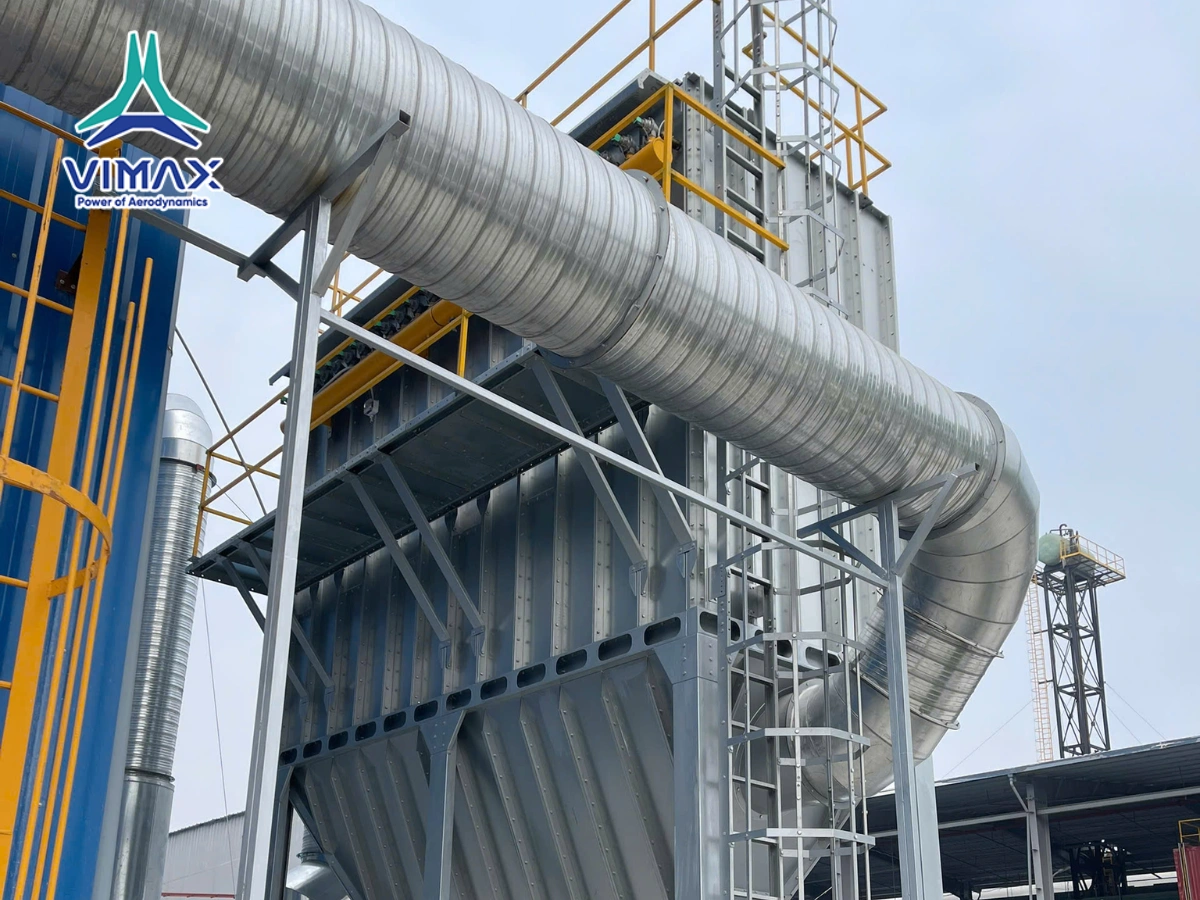
With a deep understanding of aerodynamic principles and industrial safety standards, Vimax Global provides bespoke solutions, ranging from high-efficiency centrifugal fans to advanced wet scrubbers and cyclone collectors. Our commitment to rigorous testing and global quality standards ensures that every system delivers reliable, long-lasting performance.
Conclusion
Implementing an effective dust collection system is a non-negotiable aspect of operating a modern, safe, and efficient steel fabrication facility. By understanding the specific hazards associated with steel dust and carefully evaluating the available technologies – from wet scrubbers to cyclone collectors -facility managers can protect their workforce, ensure regulatory compliance, and optimize their operational efficiency.
Ready to upgrade your facility’s air quality? As a pioneering Vietnamese manufacturer, Vimax Global offers high-quality, cost-effective dust collection solutions tailored to your specific needs. Contact VIMAX GLOBAL today to consult with our engineering experts and discover the perfect air filtration system for your steel fabrication operations.
