


The global manufacturing sector is currently standing at a critical crossroads where technical efficiency meets mandatory environmental accountability. In the first half of 2026 the industrial landscape has shifted from a focus on pure production volume to a rigorous evaluation of energy intensity and carbon footprints. As international trade regulations tighten the traditional factory floor is being redefined by its ability to operate within the strict boundaries of the Net Zero transition.
This transformation is particularly evident in the field of industrial ventilation and air handling. What was once considered a secondary utility is now a primary focus for global investors and regulatory bodies. The high trade value of modern industrial assets is no longer determined by their physical size but by their documented efficiency and long term durability. The following report provides a definitive analysis of the compliance landscape and the engineering strategies that are allowing world class manufacturers to maintain their competitive edge in a low carbon economy.
The Global Shift Toward Green Industrial Infrastructure
As we navigate through 2026 the industrial world is undergoing a transformation that is no longer optional. Global trade blocks such as the European Union and North America have implemented strict carbon accounting measures that directly impact manufacturers worldwide. For a factory manager or a business owner the air filtration system has shifted from a hidden utility to a primary asset in sustainability audits.
The Global Shift Toward Green Industrial Infrastructure
According to the International Energy Agency IEA Energy Efficiency 2024 Report industrial decarbonization relies heavily on optimizing motor driven systems which currently account for nearly 70 percent of all industrial electricity consumption. Specifically the IEA notes that energy efficiency represents the first fuel for a sustainable global economy. At Vimax Global we understand that sustainability is a technical challenge that requires long term effort and precision. This report examines the regulatory landscape and the technical innovations that allow global manufacturers to thrive in a low carbon economy.
Navigating the New Landscape of Global Carbon Trade
The most significant change in 2026 is the full implementation of cross border carbon adjustments. These policies ensure that products imported into major markets are taxed based on the carbon footprint of the factory that produced them.
Understanding the Energy Intensity of Ventilation
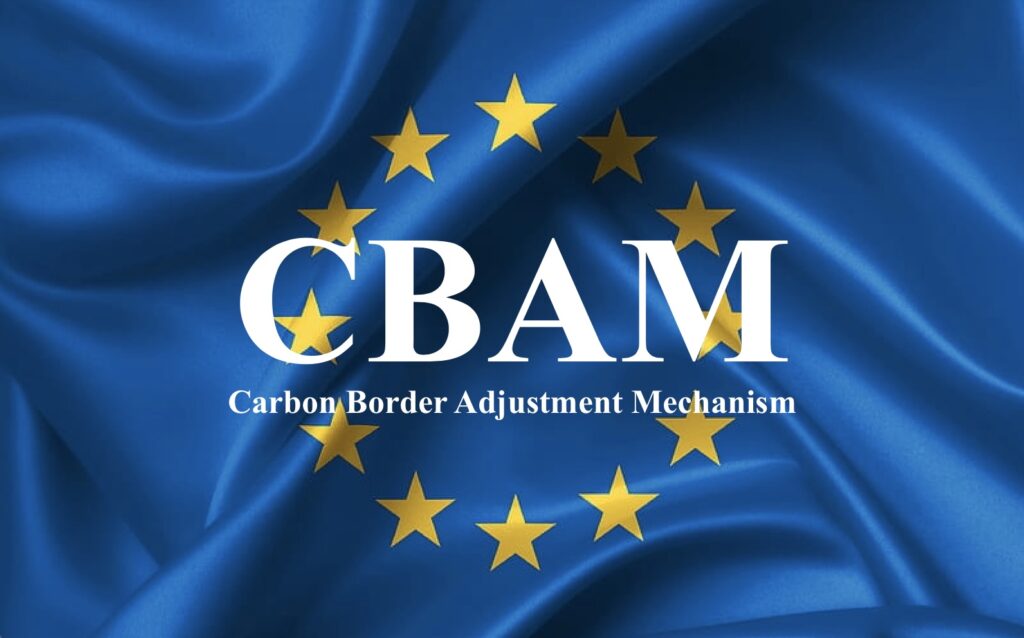
The European Commission Carbon Border Adjustment Mechanism CBAM documentation highlights that electricity intensive processes are now under extreme scrutiny. Industrial fans and air systems often account for a massive percentage of total factory energy consumption. In many legacy facilities these systems operate at low efficiency levels which increases the carbon tax liability for the finished goods. By upgrading to Vimax High Efficiency Centrifugal Fans manufacturers can lower their energy intensity per unit of production. This creates a direct financial advantage in international trade where lower carbon footprints lead to lower import tariffs.
Understanding the Energy Intensity of Ventilation
Local Compliance and Global Expectations
While local regulations like Decree 30 in Vietnam set the baseline the global market expects even higher standards. International buyers now demand transparency in how air is filtered and how much electricity is consumed to maintain factory air quality. Meeting these expectations requires a move toward verifiable data and high performance equipment that exceeds minimum legal requirements as outlined in the United Nations Industrial Development Organization UNIDO Industrial Energy Efficiency guidelines.
The Technical Pillars of Sustainable Air Engineering
To achieve true sustainability a manufacturing plant must analyze the sub systems that contribute to long term resource efficiency.
High Efficiency Motor Standards
The heart of any air system is the motor. In 2026 the transition to Super Premium Efficiency levels known as IE4 and IE5 has become the standard for sustainable manufacturing. These motors utilize advanced magnetic materials and optimized winding patterns to reduce energy loss by up to 40 percent compared to older designs. Choosing Vimax Systems with IE4 Certified Motors is a high effort investment that pays dividends in both energy savings and carbon credits.
Intelligent Airflow Management
Sustainability is also about moving air only when and where it is needed. Modern systems utilize sensors to detect air quality and machine activity in real time. This demand controlled ventilation ensures that not a single watt of electricity is wasted on cooling or filtering an empty workspace.
Waste Heat Recovery and Air Recirculation
One of the most innovative ways to improve factory sustainability is through the integration of heat exchangers within the air exhaust system.
Capturing Wasted Thermal Energy
In many industrial processes massive amounts of heat are vented directly into the atmosphere. This is a waste of valuable energy. By installing Vimax Industrial Air Filtration Systems with integrated recovery units factories can capture this thermal energy and repurpose it for other processes such as pre heating water or maintaining office temperatures.
Advanced Filtration for Air Recirculation
Standard systems vent air outside and pull in fresh air which then must be heated or cooled to match the factory environment. This creates a massive thermal load on the HVAC system. High precision air filtration allows the factory to clean the air to such a high degree that it can be safely recirculated back into the facility. This reduces the energy needed to treat incoming air and significantly lowers the overall carbon footprint of the building.
Life Cycle Analysis and the Value of Durability
A sustainable product is one that does not need to be replaced every few years. At Vimax we believe that durability is the ultimate form of sustainability.
Material Longevity and Recyclability
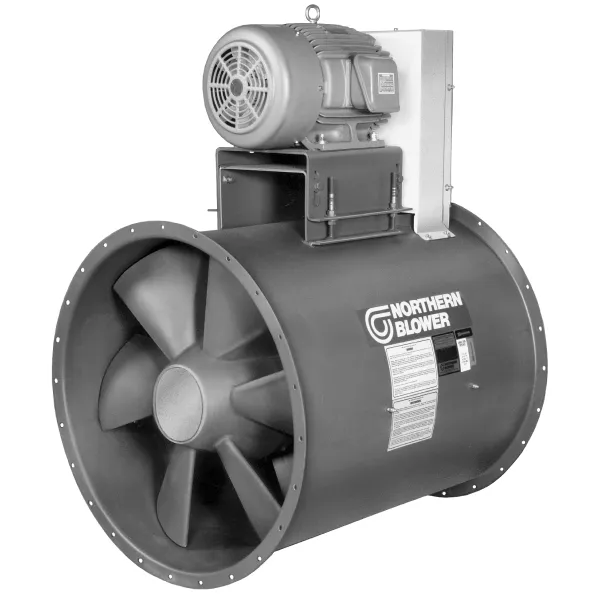
Building a fan with high grade alloys and protective coatings requires more effort and higher initial costs but prevents the pain of premature equipment failure. According to the World Steel Association Life Cycle Assessment high quality steel components reduce the long term environmental impact by extending product lifespans and ensuring 100 percent recyclability at the end of the product life. Vimax utilizes these principles in the manufacturing of our Industrial Axial Fans to ensure maximum structural longevity.
The Role of Predictive Maintenance
Sustainability also means avoiding the waste associated with catastrophic failure. By using vibration and thermal sensors we can predict when a component needs service as defined by ISO 13348 for industrial fans. This precision approach saves materials and prevents the energy spikes associated with machine restarts and emergency maintenance.
Strategic Recommendations for 2026
For businesses looking to future proof their operations we recommend a three step approach to air sustainability. First perform a comprehensive energy audit to identify the biggest energy drains. Second prioritize the installation of Variable Speed Drives to allow for flexible power consumption. Third integrate Vimax Fire and Smoke Exhaust Systems that comply with the latest safety and efficiency codes to manage worker health and environmental protection simultaneously.
Conclusion The Competitive Advantage of Sustainability
The global market of 2026 does not reward shortcuts. It rewards the long effort of building clean and efficient and durable manufacturing systems. Sustainability is no longer a separate department but a core component of engineering excellence. At Vimax Global we are dedicated to providing the technical infrastructure that allows our partners to lead the global transition to net zero. By choosing high precision air solutions you are investing in a future where industrial growth and environmental protection move forward together in perfect alignment.
