Capture what bag filters leave behind.
Sub-1µm particulates, VOCs, SO₂, and acid mist pass straight through conventional fabric filters. VIMAX GLOBAL’s WESP systems are engineered to hold the toxic, ultra-fine fraction of industrial exhaust that ordinary filtration can’t touch.
>99%
Particulate Removal
<10%
Exhaust Opacity
0.01µm
Target Particle Size
The Problem
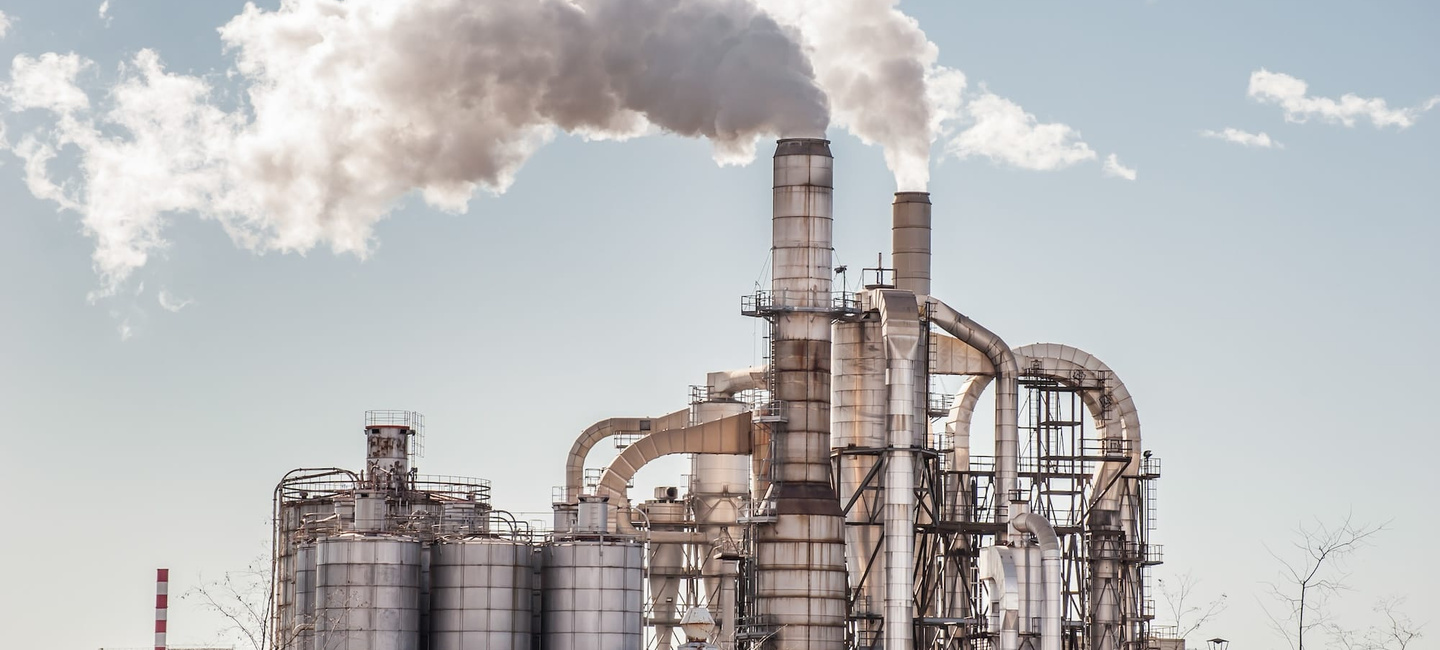
Industrial exhaust gas is more dangerous than it looks.
Five technical characteristics make industrial exhaust gas resistant to conventional treatment — and explain why standard bag filtration alone isn’t enough.
01 · SIZE
Ultra-Fine Particles
Fine dust ≤2.5µm (PM2.5), with sub-1µm particles typically passing straight through conventional bag filters and remaining insoluble in water.
02 · TOXICITY
High Toxicity
Carries carcinogenic gases including volatile organic compounds (VOCs), sulfur dioxide (SO₂), and dioxins.
03 · HEALTH
Health Hazard
Fine particulates penetrate deep into the lungs, contributing to pulmonary fibrosis with prolonged exposure.
04 · SPREAD
Wide-Area Pollution
Exhaust stays suspended in air and disperses with wind, contributing to smog and severe regional air pollution.
05 · CORROSION
Corrosive Damage
SO₂ and chloride compounds react with water vapor to form acid mist and ionic chloride crystals that corrode equipment.
Technical Performance
Built to hold what other systems let through
Every VMX-AF/WESP unit is engineered against six performance benchmarks — not marketing round numbers.
Modular Scaling
OPTIMIZED DESIGN
Modular construction allows the system to scale easily as gas flow volume changes on your line.
Fuel & System Flexibility
INTEGRATION
Compatible with multiple fuel types and integrates cleanly with other pollution control equipment already on your line.
Maximizes electric field intensity — better performance and longer service life than traditional hexagonal tube designs.
Applications

Automotive
Exhaust treatment from rubber particulate manufacturing
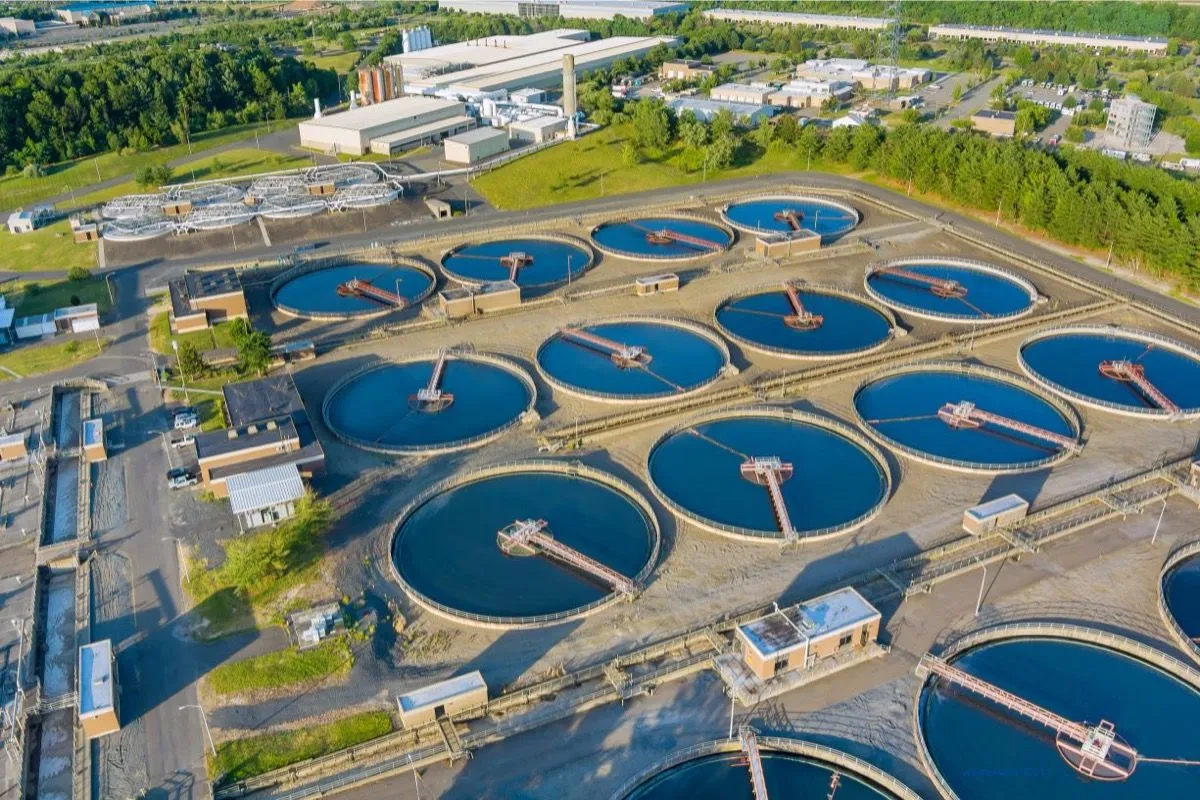
Waste Treatment
- Municipal solid waste incinerators
- Industrial waste pyrolysis furnaces
- Waste incineration plants
Oil Refining & Chemicals
- Particulate & acid mist from refining processes
- Sulfuric acid manufacturing
- Spent acid recycling
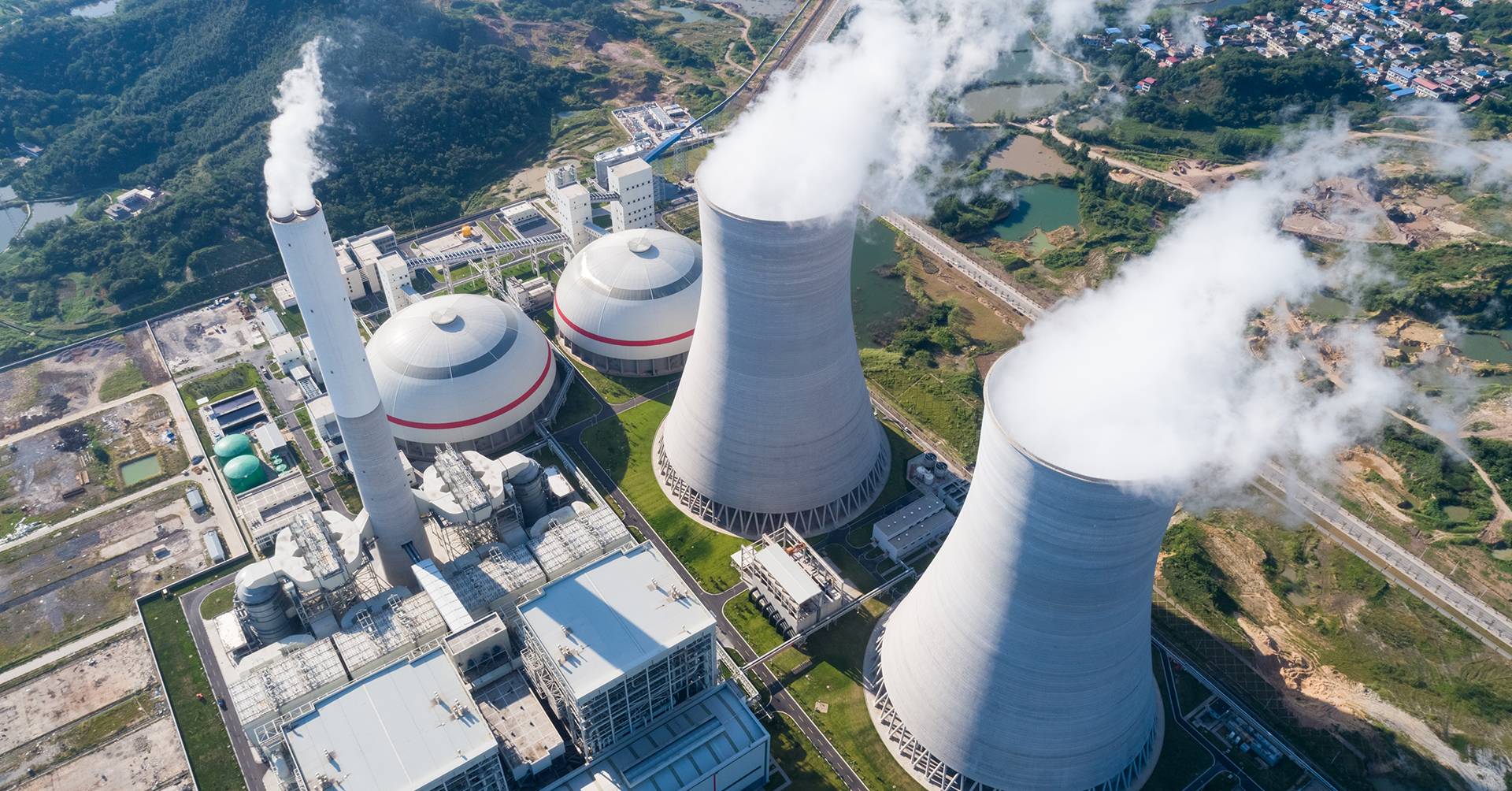
Energy & Manufacturing
- Boilers
- Glass melting furnaces
- Plastic pellet & rubber plants
Metallurgy
- Zinc, copper & nickel plants
- Sintering plants
- Steel mills
Industrial Manufacturing
- Organic smoke from fiberglass production and related processes
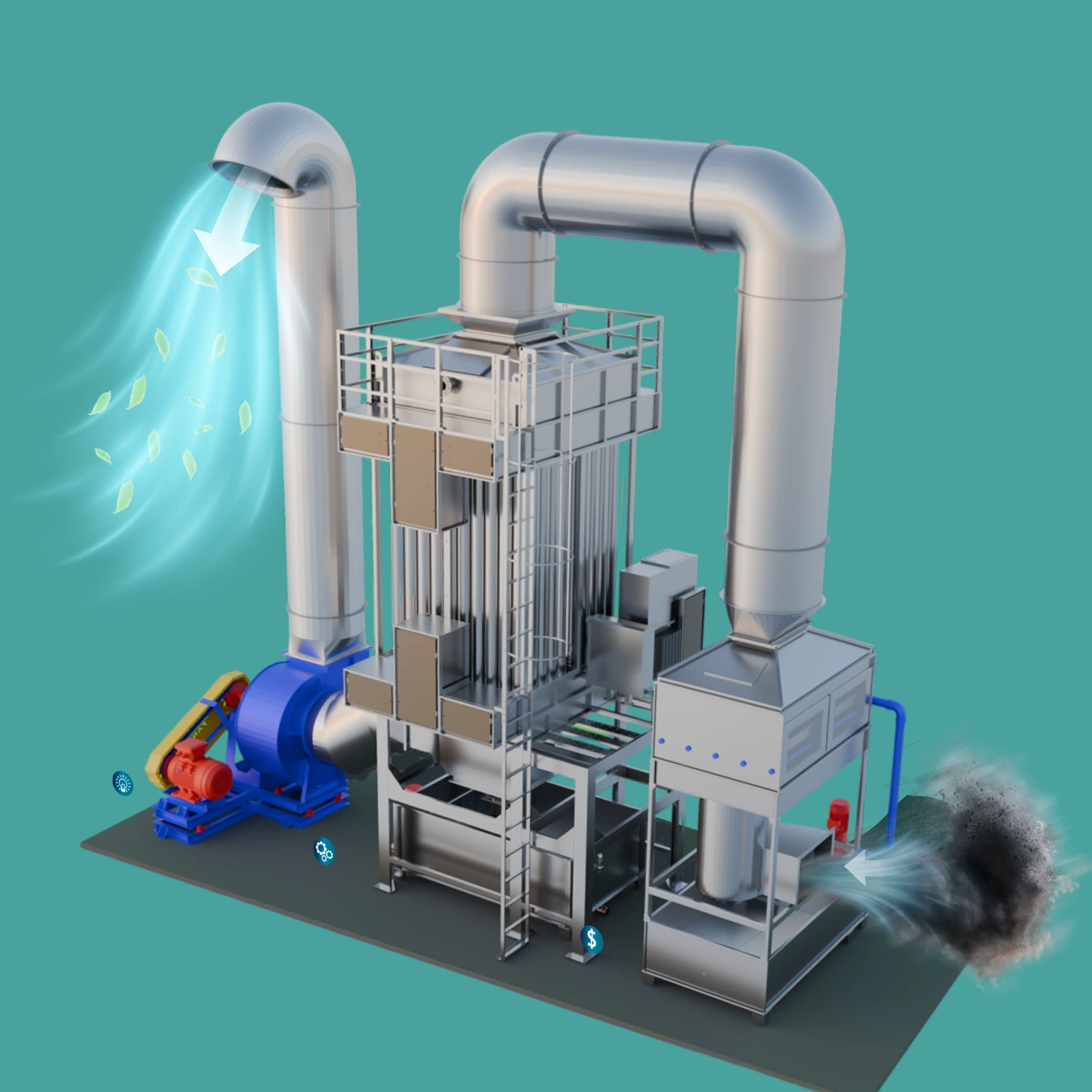
Typical Process Flow

Exhaust Source
Cyclone Spray (Cooling + Coarse Filtration)
Wet Electrostatic Precipitator
Induced Draft Fan
Exhaust Stack
WESP-specific questions we get first
How is a WESP different from a bag or cartridge filter?
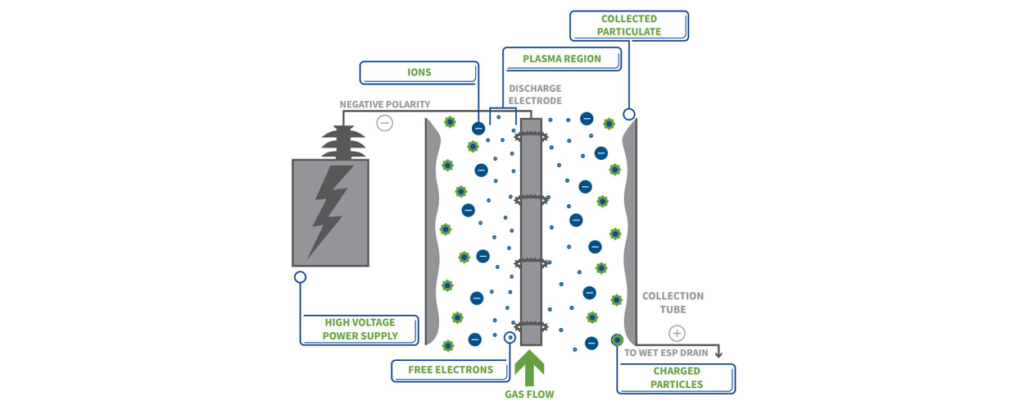
Bag and cartridge filters rely on physical media that fine, sub-1µm particles can pass through — and wet or sticky particulate can blind the media entirely. A WESP uses electrostatic charge rather than a physical barrier, so it captures particles down to 0.01 micron, including wet and sticky emissions.
Can a WESP handle wet or sticky emissions?
Yes — this is one of the core reasons to specify a wet ESP over a dry system. The periodic spray-wash cleaning cycle on the collecting electrode is designed specifically to handle particulate that would otherwise blind dry filter media.
Does the system require special maintenance?
The collecting electrode is cleaned through an automated spray-wash cycle rather than manual media replacement, which is the main maintenance routine that differs from bag or cartridge systems. We’ll walk through the maintenance schedule as part of your technical quote.
Can a WESP be added to an existing filtration line?
Yes — WESP systems are commonly installed as a polishing stage after existing cyclone or bag filtration, or integrated with other pollution control equipment already on site.
How is the right WESP size determined for our facility?
Sizing depends on your gas flow volume, particulate/gas profile, and target opacity or emission limit. Send those details through the form below and our engineering team will scope a system before quoting.
Let’s Innovate Together
Your next step toward an optimized, efficient future begins here. VIMAX’s Cooling Ventilation System combines performance, sustainability, and reliability to give you an unmatched edge in your industry.
Request Your Quote TodayProducts
Products for
Any Application.
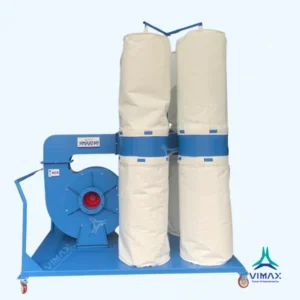
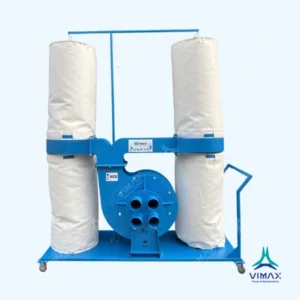
Your facility demands reliable and innovative systems to keep operations running smoothly. VIMAX offers an extensive range of systems and products tailored to meet any industrial need. Whether you require precision cooling for data centers, effective dust collection for manufacturing plants, or dependable fire protection for critical infrastructure, VIMAX has the expertise to deliver.
New Insights & Updates.
Stay ahead of industry trends and see how VIMAX is shaping the future of industrial systems. Check out our latest case studies, innovations, and partner success stories: